
Zooniverse hits 1 billion classifications, turning volunteer clicks into 96 NASA papers
NASA-backed citizen science just logged a new milestone, with 31 projects and 120M classifications since 2020.
By Faisal Al-Qahtani·· 3 min

Curating from trusted global sources…
Curated from trusted global sources, refined into briefing-grade analysis with executive summaries, insights, and bullet-point takeaways.
NASA-backed citizen science just logged a new milestone, with 31 projects and 120M classifications since 2020.

Chlamydomonas reinhardtii shifts protein-coding activity at smaller temperature swings than many ecosystems expect.

Analysis of 142 skeletons from three cemeteries reveals co-burials of unrelated adults and children, reshaping how early Christianity buried the dead.
A new structure determination for a 3D COF gives scientists the missing link to tune battery and cleanup materials.
A Stockholm University study uses DNA to show that adult-child co-burials were not always what archaeologists assumed.

China’s Long March 10B just proved it can launch and recover its booster, changing how leaders think about cadence and capability.
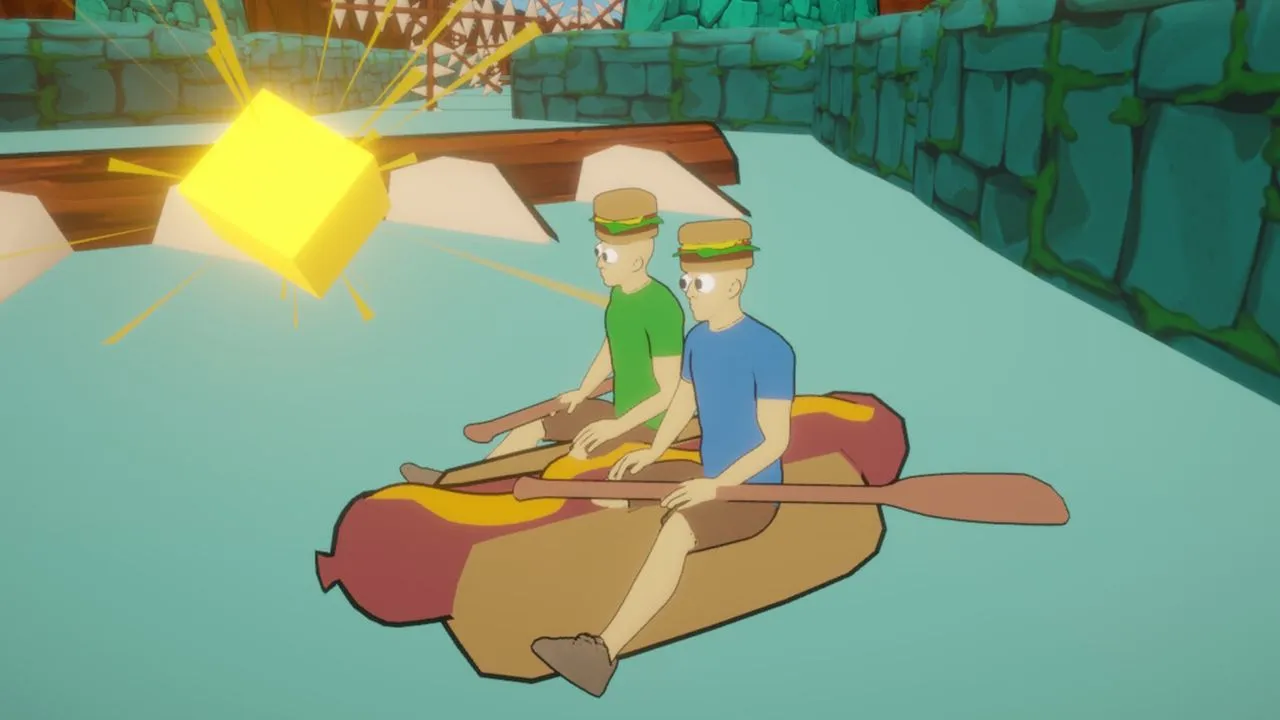
A solo dev’s outrage turns into review bombing, but his core complaint is about bragging refunds after completion.
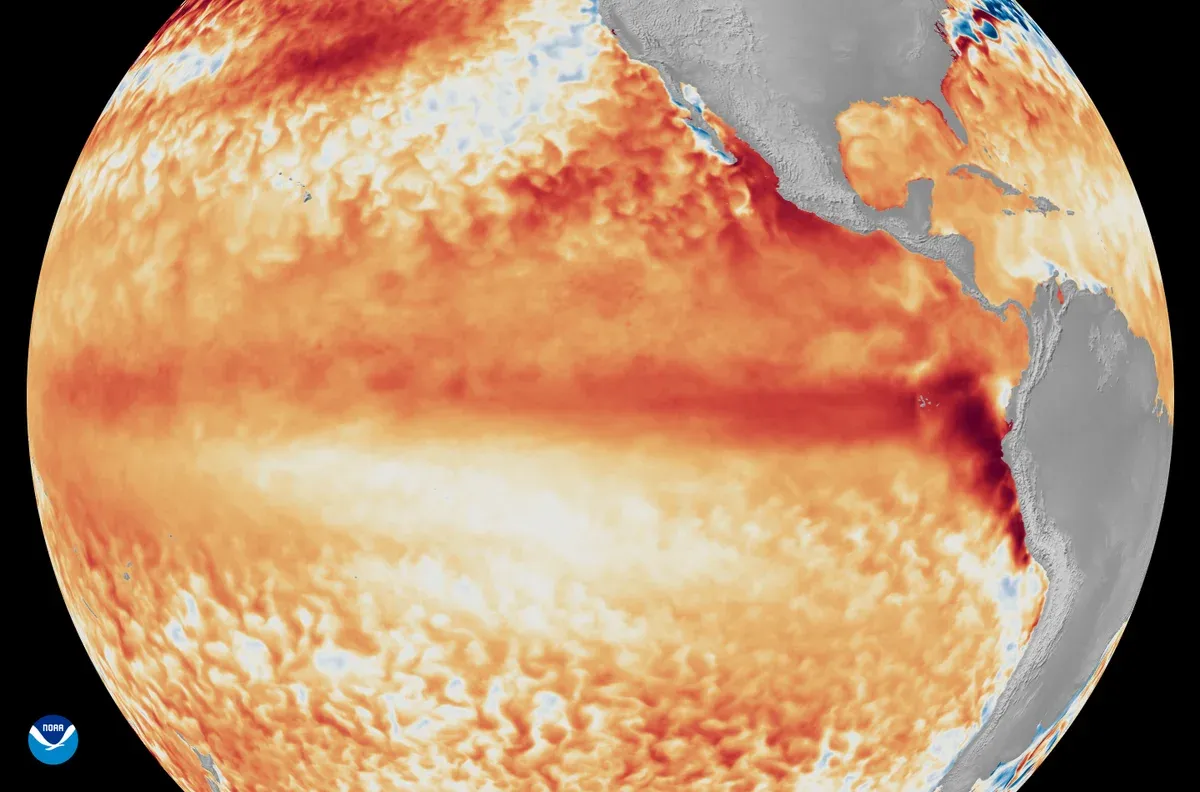
A warming ocean pattern could intensify multiple disasters at once, forcing governments, insurers, and supply chains to plan for compounding shocks.
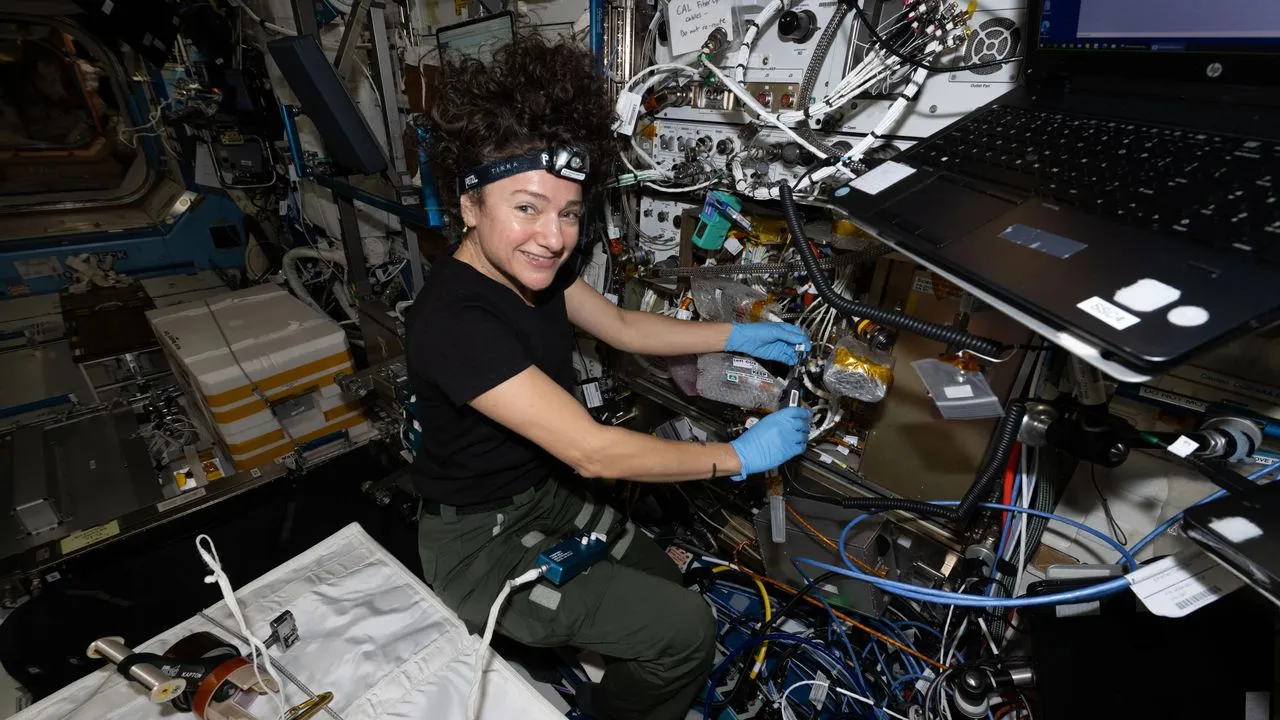
The ISS gets a redesigned mini-fridge quantum lab that can probe ultracold atoms for measurements Earth cannot match.

A NASA flight photographer turns Fourth of July history into bird-eye evidence of missions spanning decades.

A disco ball in orbit helps physicists drag Einstein’s frame-dragging test to the tightest numbers yet.

A real summer sky phenomenon forms near 50 miles up, and it rewards the patient (not the telescope spreadsheet).