

Moonshot AI updates Kimi and sparks fears of 'full AI communism'
The new Kimi model release reignites the debate over who controls frontier AI, and what that means for investors and regulators.
By Yousef Al-Zahrani·· 3 min

Curating from trusted global sources…
Curated from trusted global sources, refined into briefing-grade analysis with executive summaries, insights, and bullet-point takeaways.
The new Kimi model release reignites the debate over who controls frontier AI, and what that means for investors and regulators.

A Nubia phone built around ByteDance’s Doubao agent puts voice-first automation on hardware, forcing rivals to respond fast.

Apple’s Maps ad policy shift removes a whole category of home-service providers, with knock-on effects for local ad buyers.

If Google restores flagship-grade compute with Tensor G6, it would fix the exact 10a misstep decision-makers noticed.

The studio says layoffs hit as soon as hype cooled, creating a capital, talent, and schedule risk for everyone watching narrative games.
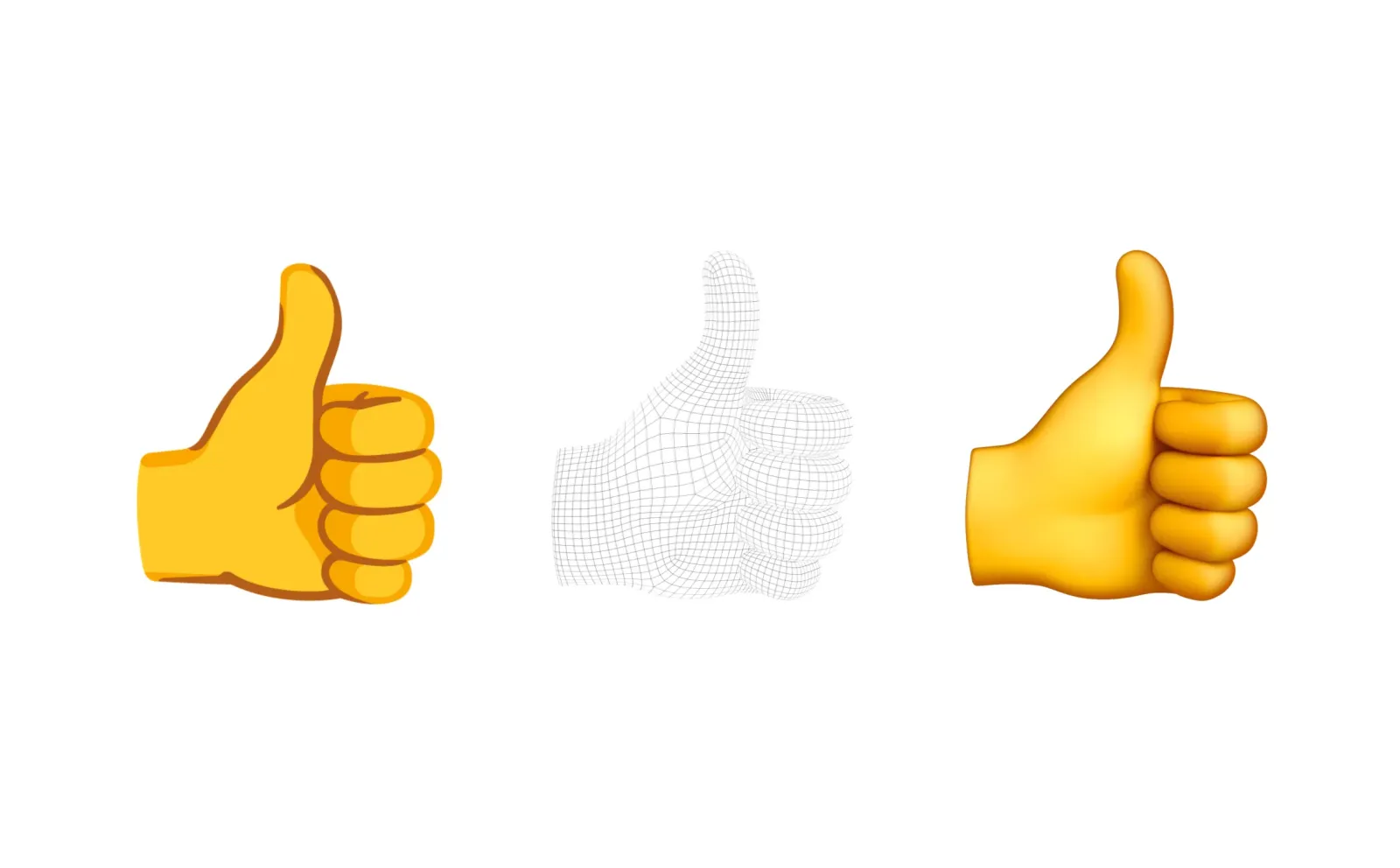
World Emoji Day brings a practical giveaway for VR creators, plus a lesson about why 3D design is harder than 2D.

Executives and product teams get a plain-English breakdown of the water lock feature and why it matters for wearables.

The trip’s proof point is speed plus reliability, and it changes how buyers, operators, and investors underwrite charging networks.

The Verge’s Carter Sherman connects childhood gaming fear to a career tracking sex, gender, and high-stakes public fights.

France and Germany pledge a European “sovereign digital backbone” spanning security, AI, and cloud to reduce reliance on Palantir-like systems.

A shift in access decisions moves power from labs to Washington, changing how frontier AI gets deployed and governed.

The latest smart locks lean on face ID and hands-free tech to remove the passcodes, pokes, and waving.