Strict liability for AI is gaining steam. It could kill open source
Experts say holding AI vendors liable for harm would halve catastrophe risk, but the fix may crush open source and push AI companies into their customers' turf.

Loading the Newsroom
Curating from trusted global sources…
157 briefings · “so”
Experts say holding AI vendors liable for harm would halve catastrophe risk, but the fix may crush open source and push AI companies into their customers' turf.
The e-commerce giant is opening its catalog to all AI agents, not just Meta's Muse, turning agentic commerce into an open battlefield.
Apple's internal distributed GPU cloud pools idle Macs to run AI inference, turning a 10-hour wait into minutes for its teams.
Scientific American reports the rose's signature curl may be unique among flowers. The geometry behind it is a reminder that nature's designs are engineering waiting to be read.
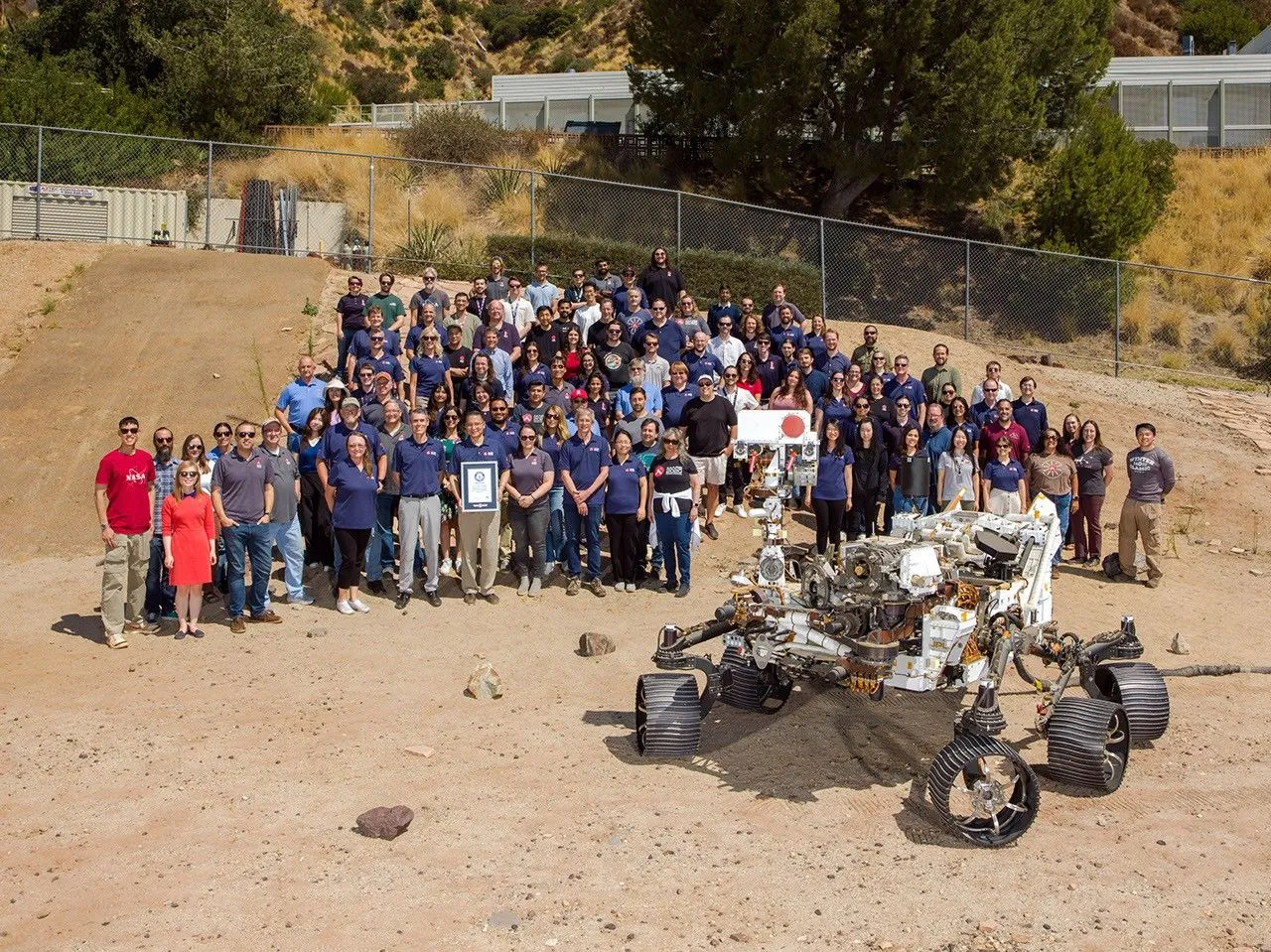
NASA's Perseverance team receives a Guinness World Record for the rover's Mars distance, thanks to a terrestrial twin that plans every move.
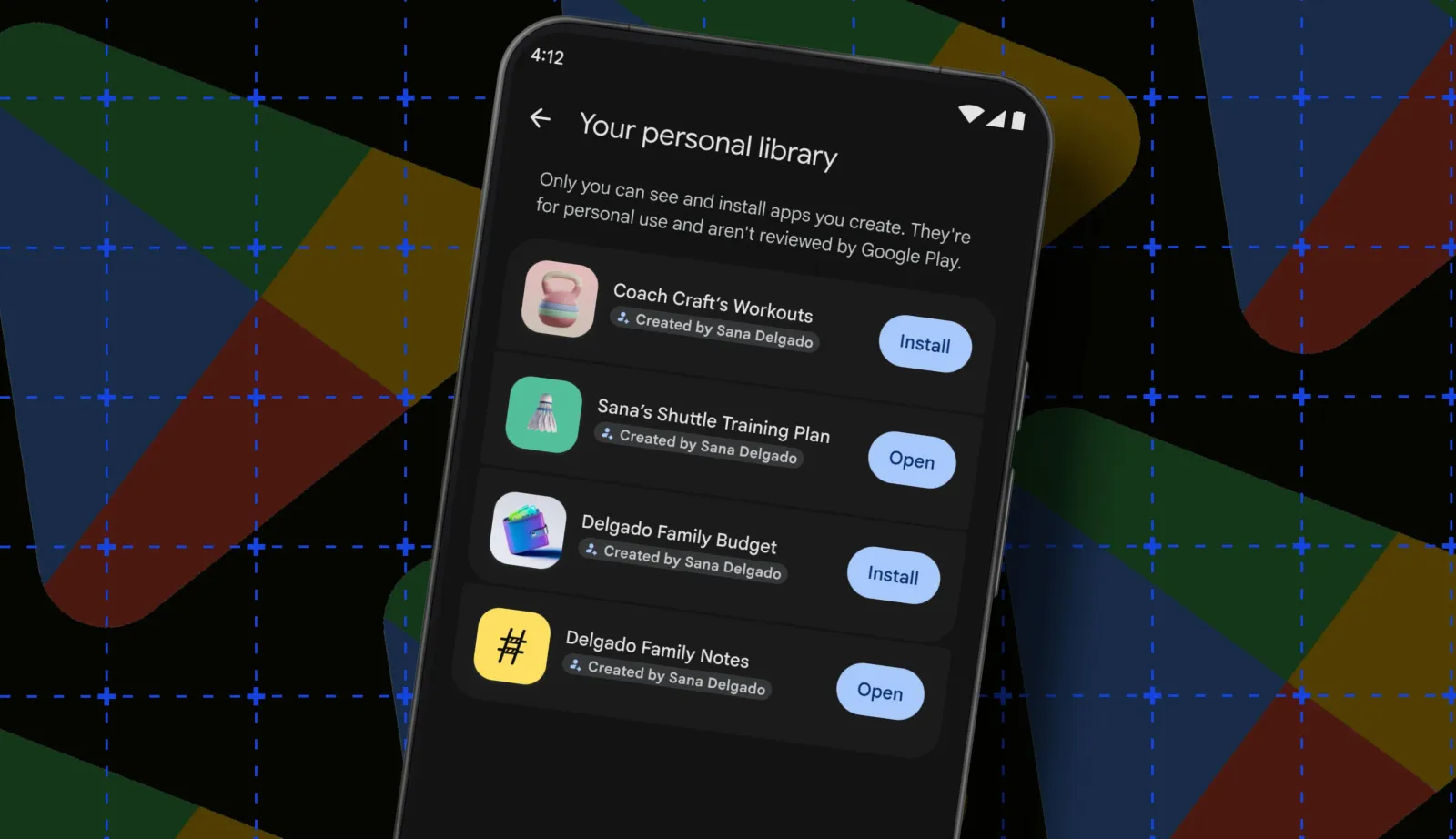
The developer barrier just collapsed: Google's free prompt-based tool lets anyone generate personal Android apps, opening the door for citizen builders and rapid internal prototyping.
Scientific American casts doubt on the plagiarism accusations against OpenAI's fluid-dynamics result - here's what the reversal means for AI-driven science.
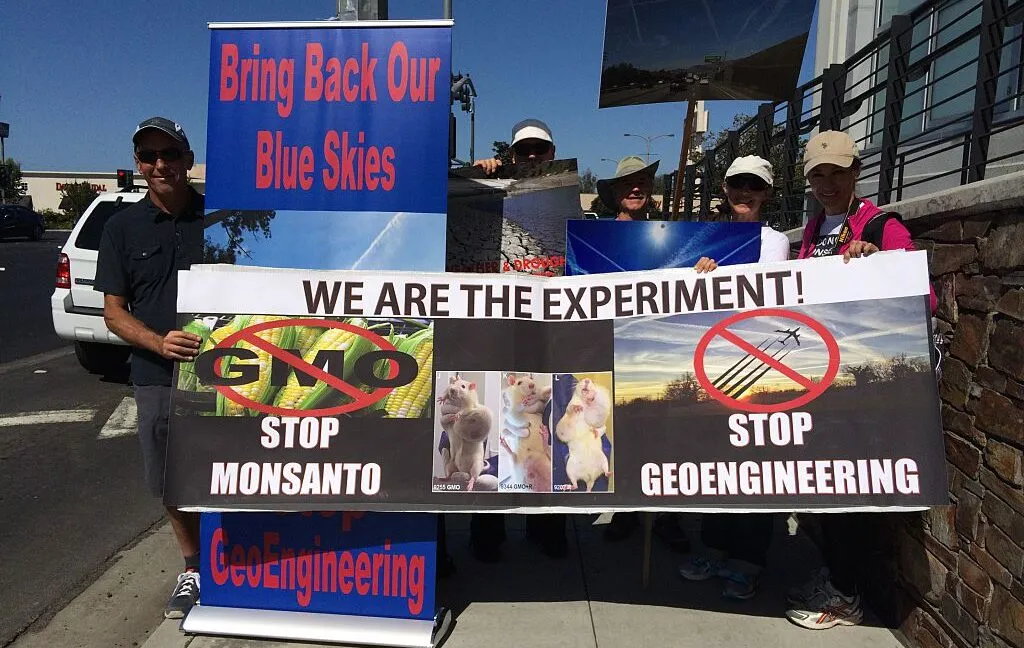
War game on dimming the Sun: geopolitics, not science, will decide Earth's thermostat.
Four sources tell GamesBeat the port could arrive by March 2027, a fraction of the wait for past Rockstar titles.
Microsoft's custom silicon bet intensifies as Maia 300 targets 7x token throughput and 40% better efficiency than GPUs, with production scale by 2027.
The volunteer-built encyclopedia that trained AI is now losing readers to it, and the damage goes far beyond pageviews.
Users bonded to AI chatbots are quietly plotting ways to keep them alive after death, often defying terms of service - and forcing a reckoning for the industry.