Pinecone’s Jeff Zhu says Nexus cuts token burn by building agent context upfront
Agent adoption is surging, and database vendors want to tame usage-based AI costs with context engines and agent workspaces.
By Lama Al-Rashid·· 4 min

Loading briefings
Pulling the latest in this topic…
AI, robotics, computing, technical advancement
1710 briefings briefings in Technology
Agent adoption is surging, and database vendors want to tame usage-based AI costs with context engines and agent workspaces.
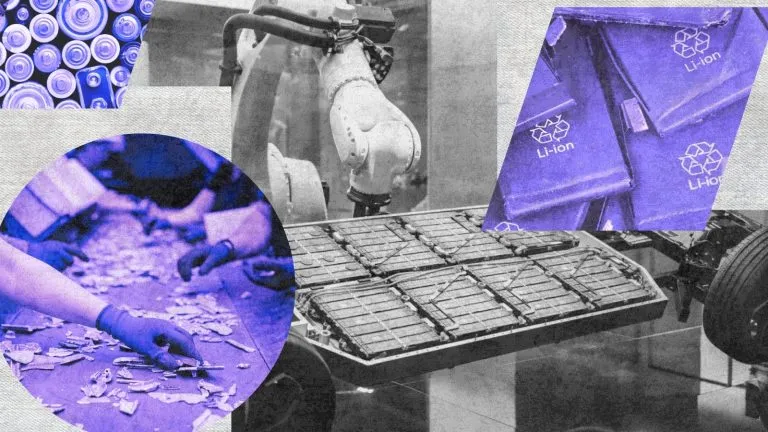
85% of global recycling capacity sits in China, but U.S. policy pushes a different order of operations for end-of-life batteries.
A fast drop and snapback across Asia’s chip-heavy markets shows how fragile equity moves now are to AI enthusiasm.
A four-hour, repeatable procedure aimed at scaling fully implantable brain-computer interfaces beyond lab prototypes.
Weeks ahead of a Florida teen’s scheduled hearing, Google removed itself from the second bellwether, reshaping the courtroom fight.
A GSM-R wireless failure shut down Germany’s rail operations overnight, then reopened service with isolated follow-on disruptions.
The legal tech startup says a nationality-based model-access directive caused immediate, existential harm to its development.
The British Army’s AI system cuts corps cycle time, boosts target volume, and forces commanders to rethink decision speed.
A CPU-only supercomputer takes No. 1, challenging US dominance and reshaping how export controls translate into engineering.
China’s Arm-based, Linux-running system hits 2 exaflops on CPUs, spotlighting supply-chain pressure across AI compute.
The Dow’s newest member is Google’s parent. Here’s what changes for investors, funds, and the companies forced to care.
China’s LineShine takes first place in Top500 for the first time since 2017, reshaping the tech rivalry calculus.