

1952 UFO briefing tape could surface as lawmakers push for release
A reported audio tape from Air Force officials and scientists raises fresh questions about what the government has hidden, and why now.

A reported audio tape exists of a UFO briefing held in 1952 between Air Force officials and scientists. Lawmakers are pushing for its release, which could force agencies to revisit long-standing records and transparency practices.
Lawmakers are pushing to release a reported UFO audio tape that, according to The Hill, dates back to 1952. The tape reportedly captures a UFO briefing between Air Force officials and scientists, and the possibility it could surface is now becoming a live policy issue instead of just a curiosity floating in the background.
If you are an executive used to thinking about disclosures, audits, and reputational risk, the timing is what matters. A document like this is not just “information.” It is a test of institutional trust: whether agencies can produce historical records, and whether the government’s past handling of controversial claims will match today’s expectations for transparency. And because the source is specifically pointing to a briefing in 1952 between Air Force officials and scientists, this is not merely a vague rumor about “something” that might have existed. It is a concrete, dated artifact that lawmakers are trying to bring into the open.
To understand why decision-makers should care, zoom out to how government information typically moves. In the U.S., the release of records is usually governed by a patchwork of procedures and review standards. Even when something exists, the path from “reportedly there” to “released publicly” can be slow, because agencies have to determine what can be shared, what must be redacted, and how releasing records might affect methods, sources, or ongoing operations. With something as politically and culturally sensitive as UFO-related material, the stakes for both communications and compliance get higher. Not because the evidence is proven here, but because controversy tends to amplify scrutiny.
Now add the incentives around lawmakers. When elected officials push for release, they are not just seeking answers for curiosity. They are also signaling to agencies that oversight is real. In practice, oversight pressure can force agencies to spend more time locating records, producing internal assessments, and documenting why certain materials are withheld. That means executives at agencies, and leaders supporting them, can end up absorbing operational overhead even before any public decision is made.
There is also a second-order effect that board members, investors, and executives often recognize in other domains: precedent. If agencies are able to surface a 1952 audio tape, that can set expectations for future disclosures of historical or politically charged materials. If they cannot, or if the release is partial, the controversy may not disappear. It can instead become a recurring governance issue: stakeholders start asking not only about one tape, but about the broader system that governs recordkeeping and transparency.
Even without adding new facts beyond the source, the strategic implication is clear. The government has an archive, and the question is whether it will be opened, and how. A UFO briefing involving Air Force officials and scientists in 1952 sits at the intersection of national security culture, scientific inquiry, and public accountability. When lawmakers push for a release, they are essentially demanding a reconciliation between what the public has been told or assumed and what old records might actually contain.
For executives in adjacent sectors, this is a reminder that transparency risk is not limited to corporate scandals. It shows up whenever institutions hold onto contested historical claims. When the request is political and the subject is sensational, the process still runs through governance mechanics: record retrieval, review workflows, legal standards, and communications planning. In a world where misinformation and rumor travel fast, verified primary materials, even if they are decades old, become high-stakes. They can clarify. They can also reshape narratives.
So the immediate story is about whether the reported audio tape of a 1952 UFO briefing between Air Force officials and scientists may surface as lawmakers push for release. But the bigger story for decision-makers is what happens to trust when oversight meets historical records. If the tape emerges, the impact will likely extend beyond UFO discourse, touching how agencies handle sensitive documentation and how quickly they respond to political pressure. If it does not, the pressure does not necessarily fade. It just changes form, and the next disclosure request arrives sooner.
This story's Key Insights and Take-aways are locked.
Create a free account to unlock Executive Actions for one credit.
Register to UnlockAlways free for Executives Club members. Join the Club
More in Politics
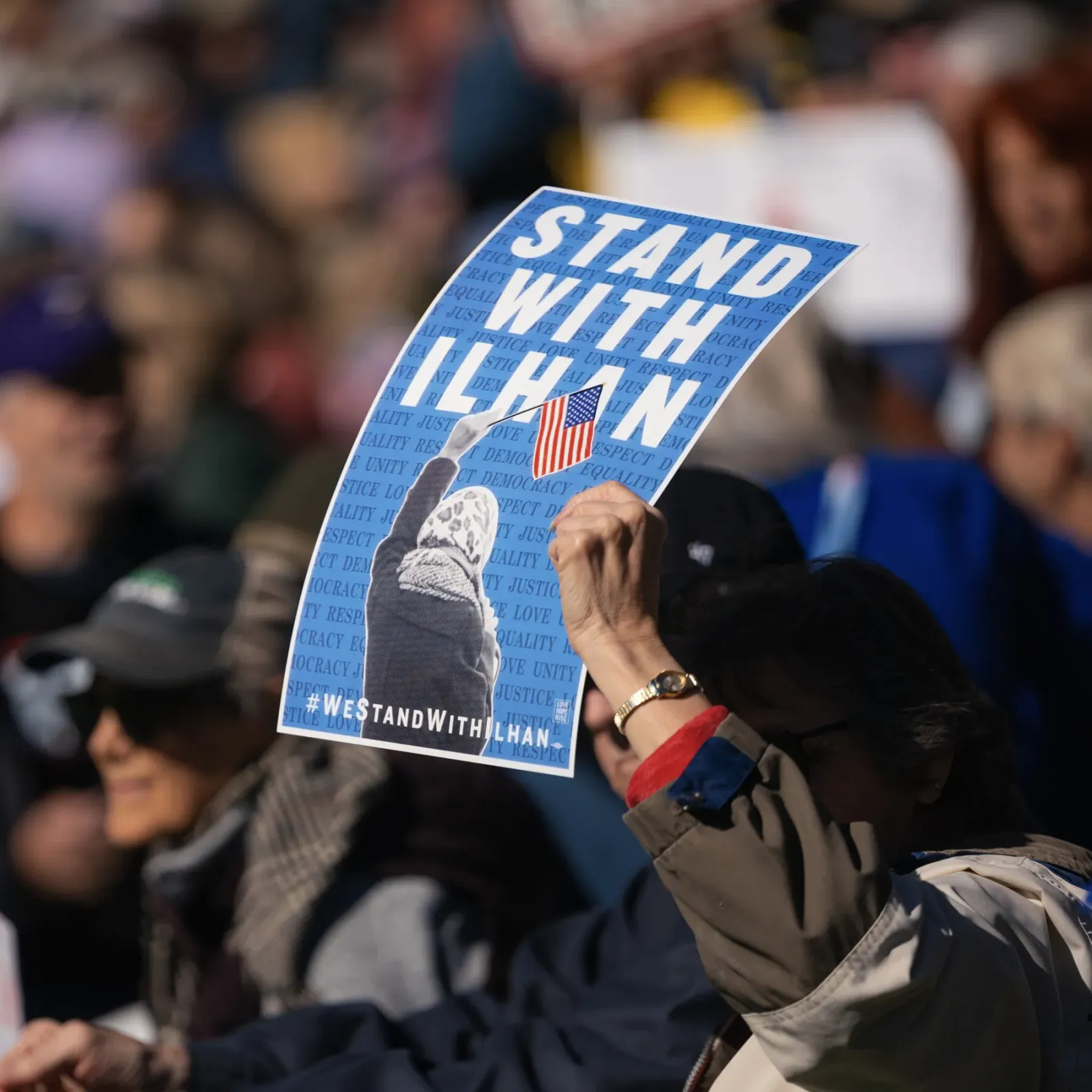
Obama Defends Ilhan Omar After Agents Search Her Home in Trump Inquiry
The former president's intervention raises the stakes in a federal probe into immigration paperwork that has put a prominent progressive lawmaker in the crosshairs.

Blair-era minister: cut welfare to fund youth job support
Alan Milburn's call for welfare cuts to fund employment support opens a Labour fight over benefits and the Neet crisis.
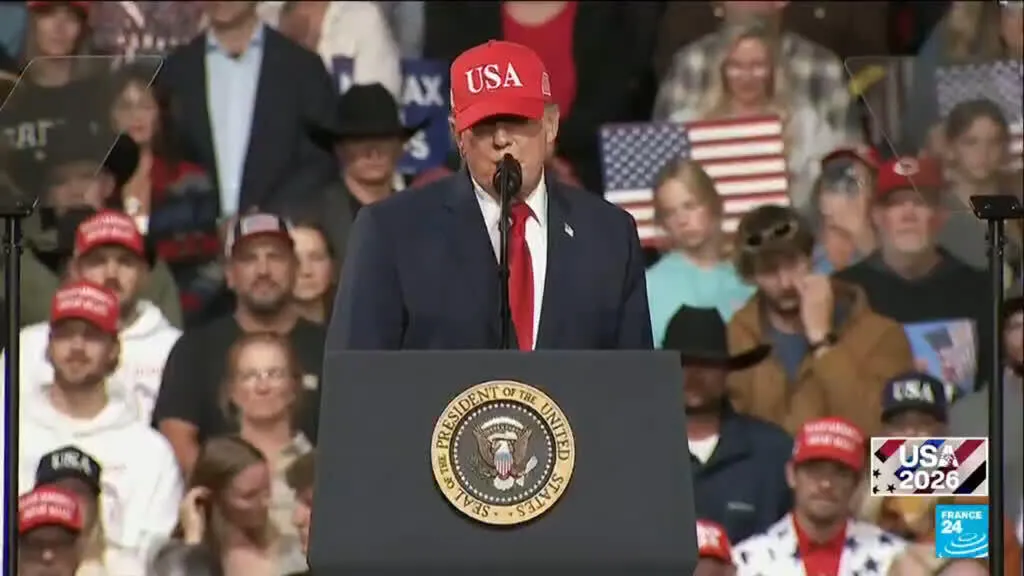
Hot September CPI: energy costs surge, voters feel the squeeze before midterms
The latest inflation print lands as Trump campaigns for GOP control of Congress, putting cost-of-living worries at the center of the midterm fight.