

After the 2003 heatwave, French hospitals improved planning, but air cooling still lags
Epidemiologist Antoine Flahault says the lessons are real, yet rising heat frequency demands structural investment.
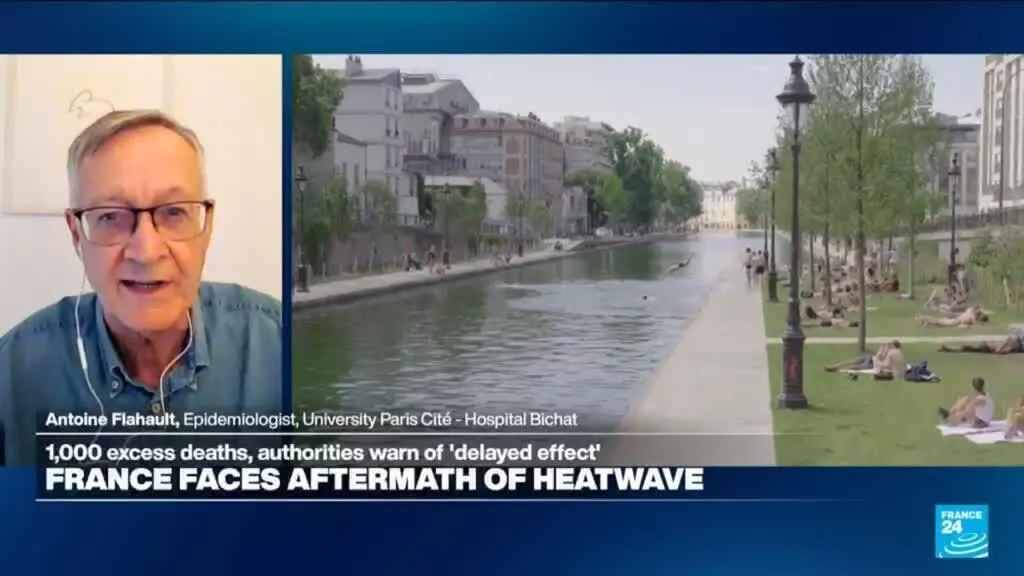
Dr. Antoine Flahault, an epidemiologist and professor at Université Paris Cité and Hospital Bichat, says France has learned from the deadly 2003 heatwave. He argues that better clinical practices and emergency planning are in place, but future heat protection will require wider access to air conditioning.
Nadia Massih welcomes Dr. Antoine Flahault, an epidemiologist, researcher, and professor at Université Paris Cité and Hospital Bichat, to discuss why France's latest heatwave still exposes weak spots in healthcare. His core point is blunt: hospitals were largely designed for another era, and extreme heat is now stressing systems faster than the original design assumptions.
Flahault argues France has indeed drawn “important lessons” since the deadly 2003 heatwave. According to him, that experience has led to hospitals adopting better clinical practices and improving emergency planning. But the headline reality of today's weather is that the next test is not just “can we respond today,” it is “can we scale protection as heatwaves become more frequent and intense.” That is why his emphasis shifts from procedures to capacity: protecting vulnerable populations will increasingly require structural investment.
If you are a healthcare leader or a board member, the subtext here is familiar. The immediate crisis response often focuses on temperature spikes and overcrowded emergency departments. Those are the visible bottlenecks. Flahault’s counterpoint is that the deeper issue is institutional adaptation. In other words, the question is not only whether frontline teams can work harder during a surge. The question is whether systems have been redesigned so that heat risk is handled as a standing operational condition, not an exceptional event.
This is also where governance and incentives start to matter. Operational improvements like emergency planning and clinical practice upgrades can happen through training, protocols, and coordination. Those are real, and Flahault credits France for learning since 2003. But protocols do not cool buildings. When the source of harm is sustained overheating, infrastructure becomes the limiting factor, and infrastructure is slower, more expensive, and harder to prioritize when budgets are already tight.
Flahault’s proposed structural fix is specific: wider access to air conditioning in hospitals, care homes, schools, and for the most at risk, private homes. That list is doing heavy lifting. Hospitals and care homes concentrate fragile patients. Schools matter because children and staff spend long hours in classrooms during heat events, and the healthcare downstream effect of heat illness among children can be significant in workload terms. Private homes are where the most at-risk individuals often live, yet those are not typically the first place that public health funding reaches. Moving from public facilities to private settings changes the policy conversation and the spending profile.
There is another second-order implication for decision-makers that shows up in his framing: as heat intensity rises, the “response window” shrinks. Emergency planning helps you act during a crisis. Air conditioning helps you prevent conditions from crossing thresholds in the first place. That difference matters for risk management because it changes the burden distribution across the system. When cooling is partial or uneven, emergency departments absorb the mismatch. When cooling is broadly available for vulnerable populations, a portion of heat-related harm is avoided before it reaches acute care.
From a regulatory and planning standpoint, the 2003 heatwave still functions like a reference point because it forced adaptation. The source is clear that Flahault sees progress since then, not denial. The challenge now is that “progress” cannot stop at clinical protocols and coordination. If heatwaves are more frequent and intense than before, then the operational lessons learned after 2003 become necessary but not sufficient. Structural investment becomes the bridge between preparedness and resilience.
For peers in similar roles, the strategic stakes are straightforward. If your organization treats heat risk as an emergency exercise, you will be repeatedly surprised by the next cycle of extreme weather. If you treat it as an ongoing design constraint, you have to plan for capital. Flahault’s message is ultimately a planning mandate: improve what you can quickly, but prepare to fund what actually keeps vulnerable people safe. In a world where heat is no longer a rare anomaly, boards that want resilience will have to ask harder questions about cooling capacity, coverage, and who gets protected when temperatures climb.
This story's Key Insights and Take-aways are locked.
Create a free account to unlock Executive Actions for one credit.
Register to UnlockAlways free for Executives Club members. Join the Club
More in Politics
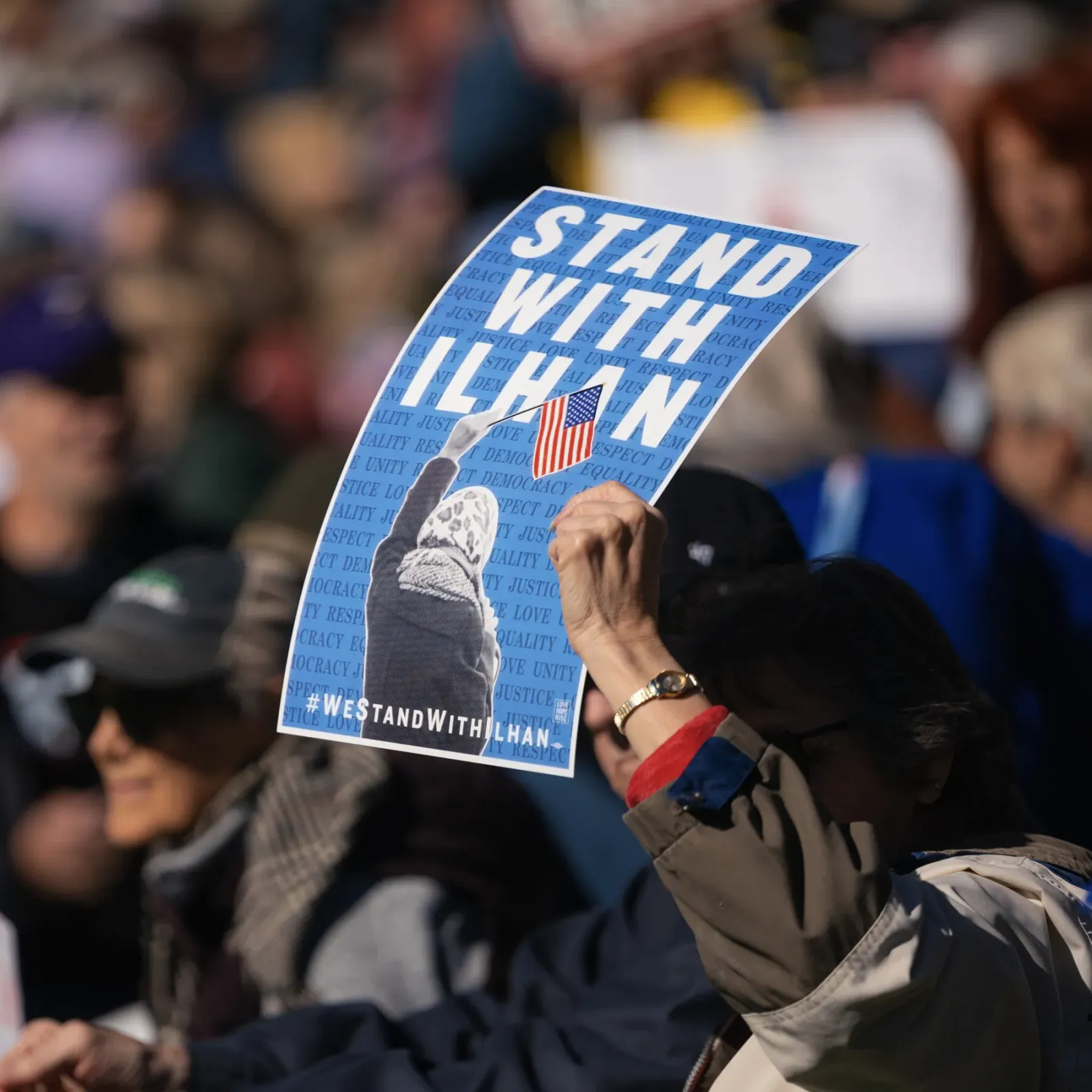
Obama Defends Ilhan Omar After Agents Search Her Home in Trump Inquiry
The former president's intervention raises the stakes in a federal probe into immigration paperwork that has put a prominent progressive lawmaker in the crosshairs.

Blair-era minister: cut welfare to fund youth job support
Alan Milburn's call for welfare cuts to fund employment support opens a Labour fight over benefits and the Neet crisis.

Hot September CPI: energy costs surge, voters feel the squeeze before midterms
The latest inflation print lands as Trump campaigns for GOP control of Congress, putting cost-of-living worries at the center of the midterm fight.