

Aftershock hits Venezuela Monday at 7:01 a.m., compounding a 1,700+ death toll
With rescue windows shrinking, relief coordination and information control collide as hundreds of thousands face a long humanitarian fight.

Venezuela saw a 4.6 magnitude aftershock at 7:01 a.m. local time Monday, five days after back-to-back earthquakes devastated La Guaira. For decision-makers, the widening gap between rescue needs and government-led messaging raises operational and reputational risk.
LA GUAIRA, Venezuela - A strong aftershock hit Venezuela early Monday at 7:01 a.m. local time, striking about 27 kilometers (17 miles) north of Caraballeda on the Caribbean coast. The United States Geological Survey put the magnitude at 4.6 on the Richter scale, while Colombia’s geological survey put it at 5.1, as Venezuelans continued combing more ruins of collapsed buildings for survivors.
The timing is the hard part. Relief organizations say the first 72 hours after a natural disaster are the most crucial for rescues, though survival can be extended if people have access to food and water. Five days after the twin earthquakes, with the death toll standing at more than 1,700 people according to the government, attention is turning from immediate rescue to a humanitarian crisis that could persist for years.
This is the grim math of disasters, and it matters beyond the headlines. As aftershocks rattle the disaster zone, rescuers still need to get into unstable structures and reach people trapped in spaces that are not designed for human survival, not after the ground has already rearranged itself. In the northern state of La Guaira, residents and emergency responders were running through rubble after Monday’s aftershock, trying to find anyone still alive. Even when officials say there is no new damage, the risk of secondary collapses and delays is real, and every new tremor complicates the logistics of moving crews, equipment, and supplies.
The quake story is also a shoreline story. Large cracks were seen along the shore on Sunday as residents said parts of the shoreline, previously flat, had been elevated as high as nearly 20 feet above water. Only 7 miles (11 kilometers) separate Venezuela from the twin-island Caribbean nation at their closest points, underlining how a regional geological event can have immediate local consequences that do not respect political borders. When land rises or falls like that, it is not just an image for news footage. It changes where people can safely move, where infrastructure can operate, and how quickly authorities can assess damage and reopen access routes.
Meanwhile, the humanitarian and governance challenge is stacking up. Questions loomed about whether the cash-strapped government will be able to coordinate the effort needed to care for thousands of people left homeless. That is not just an emergency management issue; it is an execution and credibility test. Facing criticism that authorities have done too little, too slowly, government officials aggressively promoted recovery and rescue efforts. Police and military officers on Monday handed out cans of tuna and crackers to hungry displaced people in La Guaira, a visible action meant to demonstrate capability.
In a speech, Jorge Rodríguez, leader of the Venezuelan National Assembly and brother of acting President Delcy Rodríguez, said electricity had been restored to 90% of the hardest-hit state of La Guaira. He said authorities were racing to evaluate damaged buildings that still posed a danger and had set up 15 temporary displacement camps. Those details matter because electricity and safe shelter are prerequisites for anything that looks like a sustained response, including refrigeration for medical needs, lighting for nighttime operations, and basic communications.
But the information environment is part of the operational picture too. The government has long retained tight control over news media, and many Venezuelan news reports have avoided politically delicate questions related to the earthquake, such as widespread collapse of buildings, sticking instead to safer stories about heroic rescues. Delcy Rodríguez, who came to power in January after U.S. President Donald Trump’s administration seized former President Nicolás Maduro, shared footage Monday of emergency workers lifting a man out of the ruins to applause after a 43-hour search effort, writing on X, “Each life saved is a victory for hope.”
That mix of real rescues, tight narrative control, and visible relief distribution is exactly why executives outside Venezuela should care. When an event turns from rescue into prolonged displacement, boards and leadership teams in every country learn to watch for three things: can the organization scale beyond the first sprint, can it coordinate across agencies and relief groups, and can it keep trust while the needs keep growing. In Venezuela’s case, with more than 600 aftershocks reported since Wednesday’s quakes, the aftershock cycle also forces continuous reassessment of where it is safe to operate.
Second-order implications are emerging, even if they are not being framed that way on the ground. Temporary camps are a start, but they raise questions about staffing, sanitation, and medical coverage as the weeks turn. Electricity restoration to 90% is progress, but it does not automatically solve water, fuel, and supply chain constraints. And when people like Ana Rada still say, “Until I see the body, I still have hope,” it signals that uncertainty and emotional strain will stretch far past the rescue window.
For leaders in emergency response ecosystems, NGOs, insurers, and public-private partners, this is a reminder that disaster response is not a single project. It is an extended operating environment where physics, politics, and public trust all pull on the same rope. Monday’s aftershock does not reset the clock on survival. It tightens the margin, and it raises the stakes for who can coordinate effectively, communicate credibly, and keep people safe long after the ground stops moving.
This story's Key Insights and Take-aways are locked.
Create a free account to unlock Executive Actions for one credit.
Register to UnlockAlways free for Executives Club members. Join the Club
More in Politics
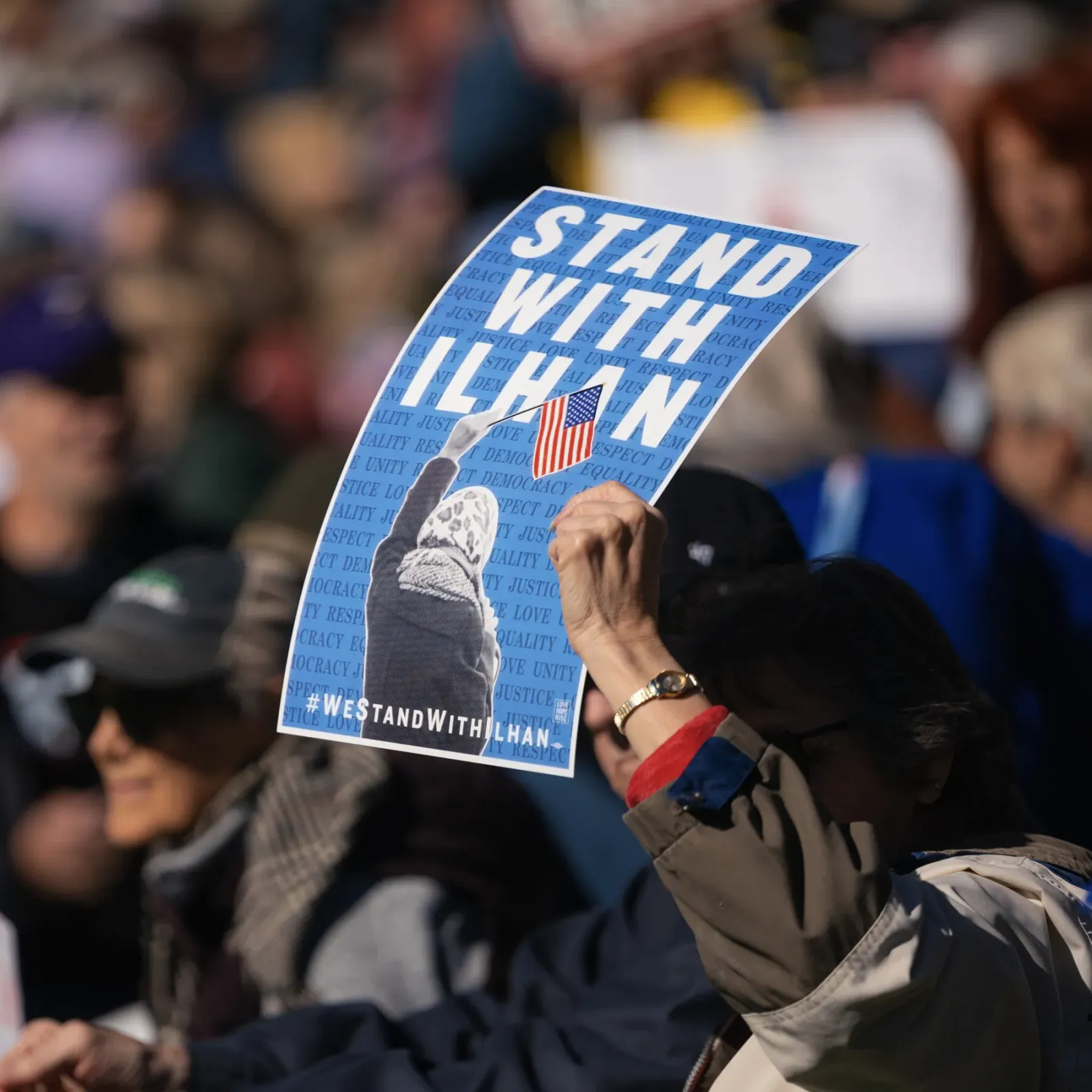
Obama Defends Ilhan Omar After Agents Search Her Home in Trump Inquiry
The former president's intervention raises the stakes in a federal probe into immigration paperwork that has put a prominent progressive lawmaker in the crosshairs.

Blair-era minister: cut welfare to fund youth job support
Alan Milburn's call for welfare cuts to fund employment support opens a Labour fight over benefits and the Neet crisis.
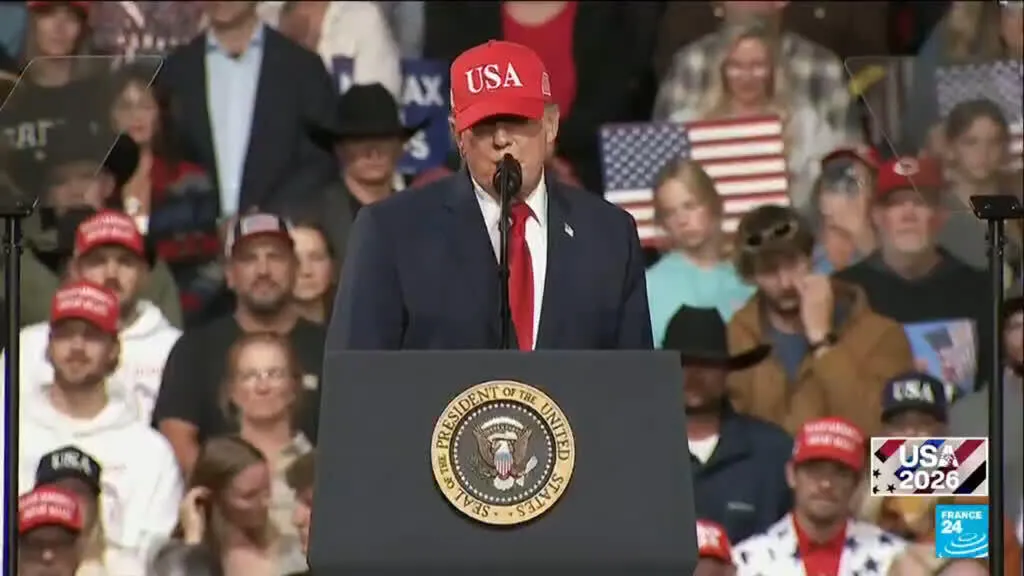
Hot September CPI: energy costs surge, voters feel the squeeze before midterms
The latest inflation print lands as Trump campaigns for GOP control of Congress, putting cost-of-living worries at the center of the midterm fight.