
AI's Big Four just agreed to slow down. Safety pact or cartel?
OpenAI, Anthropic, DeepMind, and SpaceX leaders backed a 'pace the frontier' proposal - but critics see a move to crush open-source rivals and dodge regulation.

OpenAI CEO Sam Altman, Anthropic CEO Dario Amodei, Google DeepMind cofounder Demis Hassabis, and SpaceX head Elon Musk loosely agreed to slow AI development, citing a goal to 'pace the frontier.' The move, which includes third-party auditors and global slowdown talks, has sparked accusations of a cartel aimed at stifling open-source competitors and avoiding real legal safeguards.
The weekend's loose agreement among OpenAI CEO Sam Altman, Anthropic CEO Dario Amodei, Google DeepMind cofounder Demis Hassabis, and SpaceX head Elon Musk to slow AI development has split the industry into two camps: those who see a genuine safety pact and those who smell a cartel. The four executives signed on at least partially to a proposal that includes embedding third-party auditors, regulating domestic labs, and reaching a global slowdown agreement, all under the banner of 'pacing the frontier.' That phrase, carefully chosen, signals a shared commitment to temper the breakneck pace of model releases - but it also hands the incumbents a powerful lever over everyone else in the field.
Critics were quick to call the move an outright 'cartel,' arguing that the real motive is to stop would-be competitors, kneecap the open-source movement, and avoid real legal safeguards. The truth, as with most things in AI, is likely more nuanced - but the implications for anyone building on or competing with these models are immediate and concrete. If the slowdown becomes formalized, it could reshape the economics of AI development, the trajectory of open-source innovation, and the regulatory conversation in Washington and Brussels.
For context, voluntary safety pledges are not new in AI. Labs have long issued public commitments to responsible development, but this is the first time the CEOs of the four most influential AI organizations have aligned on a slowdown. The proposal they endorsed goes beyond a simple pause: it calls for third-party auditors to verify compliance, domestic regulation to enforce standards, and an international agreement to prevent a race to the bottom. That structure is what makes it both promising and dangerous. On one hand, independent oversight could catch real harms before they scale. On the other, it creates a moat around the incumbents, who already have the resources to meet compliance burdens that smaller labs and open-source projects cannot easily absorb.
The open-source angle is where the cartel accusation gains traction. Open-source models like Meta's Llama and Mistral's releases have democratized access to frontier-level AI, but they also operate outside the kind of centralized control the proposal envisions. If domestic labs are regulated and third-party audits become mandatory, open-source developers - who often lack legal teams and compliance budgets - could be squeezed out of the market. Critics argue that the Big Four's real goal is to consolidate power by making it too expensive or too risky for anyone else to play. The executives, of course, frame it as a safety imperative, pointing to existential risks that justify a more cautious approach.
Regulatory bodies are watching closely. The proposal's call for domestic regulation aligns with ongoing efforts in the EU, where the AI Act is already imposing tiered obligations on high-risk systems, and in the US, where Congress has debated but not yet passed comprehensive AI legislation. A voluntary slowdown by the industry's leaders could preempt stricter government action - a classic move to shape regulation before it shapes you. But it could also backfire: if the public perceives the slowdown as a cartel, regulators may respond with antitrust scrutiny rather than deference. The Federal Trade Commission has already shown appetite for investigating AI partnerships, and a coordinated slowdown among the top players would be a natural target.
For startups and enterprises building on AI, the stakes are existential. If the slowdown becomes binding, access to frontier models could become more restricted, licensing terms more onerous, and the pace of capability improvements slower. Companies that have built their roadmaps around rapid model iteration may need to recalibrate. Conversely, a genuine safety pact could reduce the risk of catastrophic failures that would invite harsh regulation and public backlash - a scenario that would hurt everyone. The key is to watch whether the agreement moves from loose to formal, and whether open-source alternatives are explicitly excluded or quietly suffocated.
For boards and CEOs, the immediate takeaway is to treat this as a strategic inflection point, not a headline. The four executives have signaled that they are willing to coordinate on pace, which means the competitive landscape could shift from who ships fastest to who navigates compliance and partnerships best. Companies should map their dependencies on these labs, assess their own exposure to open-source models, and prepare for a world where 'frontier' AI moves at a more deliberate - and possibly more controlled - cadence. The question of safety versus cartel may not be resolved this quarter, but the direction of travel is clear: the era of unbridled AI speed is over, and the era of negotiated pace has begun.
This story's Key Insights and Take-aways are locked.
Create a free account to unlock Executive Actions for one credit.
Register to UnlockAlways free for Executives Club members. Join the Club
More in Technology

Meta's VR Glasses sit on your ears, not your face - and they're launching
The new form factor trades the head strap for a pocket computing puck, aiming to make VR lighter and more approachable than Quest or Vision Pro.

OpenAI poaches Patreon co-founder Sam Yam and two execs for creator push
OpenAI lands three Patreon veterans to build creator tools, signaling a major bet on the creator economy ahead of a big announcement.
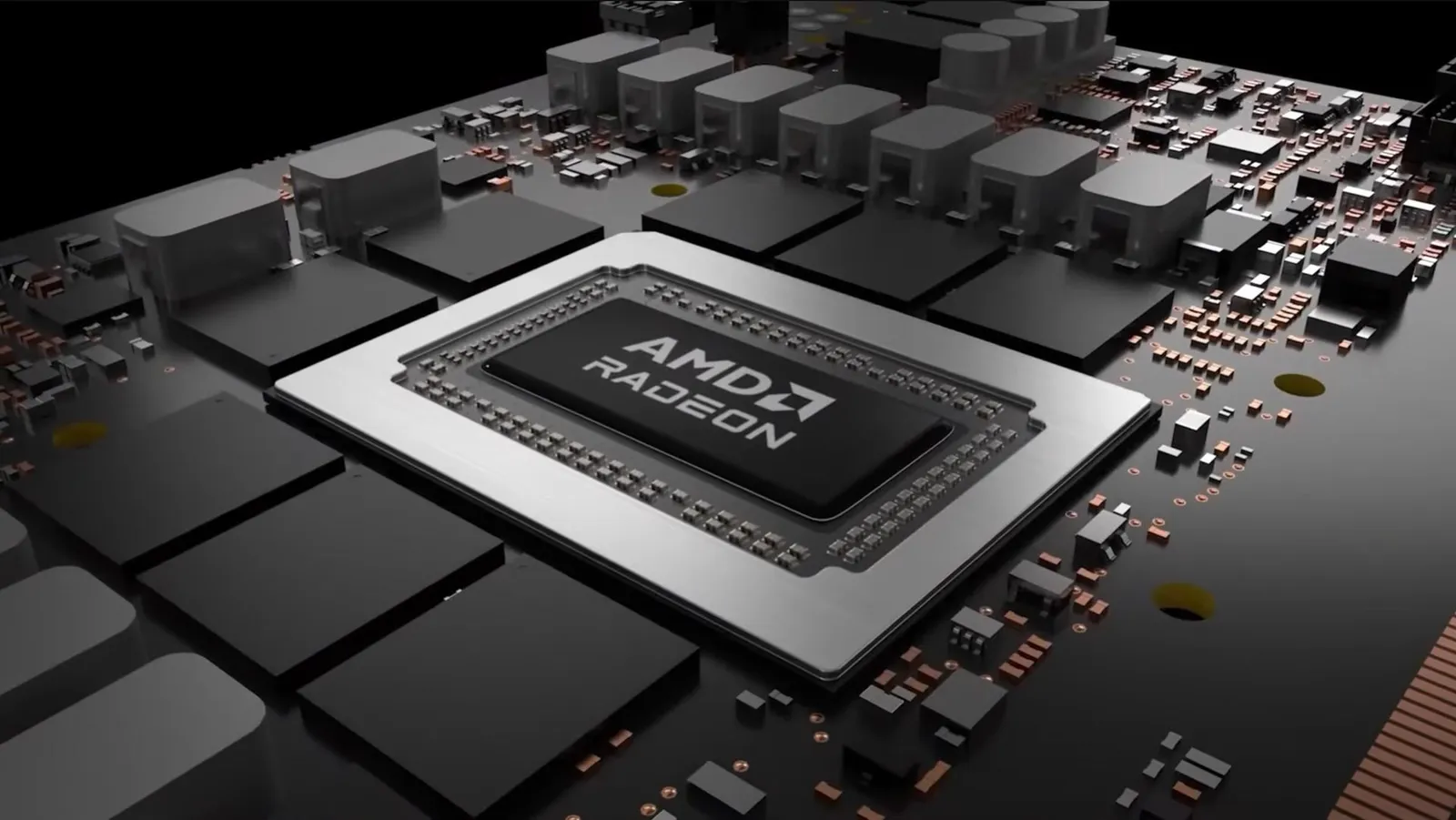
AMD's one-line Linux patch reveals GDDR7 support for RDNA 5
The tiny code change lands as Nvidia ships GDDR7 on RTX 50-series, and it hints AMD's next-gen cards arrive by 2027-2028.