

Alleged abuse in French nurseries and schools exposes system flaws and demands urgent reforms
Experts say hundreds of alleged physical and sexual assaults reveal gaps in child-safety oversight, with major implications for governance.

Hundreds of alleged cases of physical and sexual assault against children in French nurseries and elementary schools have exposed flaws in the system, according to experts. For decision-makers, the immediate consequence is clear: child-safety oversight and reform can no longer wait.
Hundreds of alleged cases of physical and sexual assault against children in French nurseries and elementary schools have triggered a public reckoning, with experts arguing the system itself is failing. The core point is not just the scale of the allegations, but what they allegedly reveal about how oversight works, where it breaks, and why children can be left exposed.
In plain terms, experts say this wave of alleged abuse has uncovered structural flaws that reforms must address urgently. That matters because in school and childcare settings, trust is the product. Parents, local authorities, and staff are supposed to operate inside safeguards that detect risk early and respond decisively. When experts conclude that the safeguards are flawed, it shifts the question from “Was harm done?” to “Why did prevention and protection not work the way it should?”
For executives and boards, the lesson is uncomfortable but useful: child protection systems are governance systems. They combine policy rules, reporting pathways, training, staffing decisions, and accountability loops. Even without specific mechanism details in the source, the implication is clear. If hundreds of alleged incidents can surface, then the feedback signals that typically prevent escalation, such as incident reporting, audits, supervisory follow-through, and complaint handling, likely did not function as intended.
There is also an incentive problem that often emerges in institutions like nurseries and elementary schools. Childcare organizations can be under pressure to manage capacity, staff shortages, administrative burden, and reputational risk. Those pressures can distort how leaders prioritize compliance work and how frontline staff interpret reporting and escalation. In environments where the cost of reporting is social friction or bureaucratic delay, systems can quietly lose their speed and sensitivity. That is exactly the kind of gap that becomes visible only after many cases accumulate.
Regulation and reform usually follow a predictable arc: public allegations increase scrutiny, experts frame systemic failures, and authorities are pushed to modernize rules and enforcement. In this case, experts say reforms are urgently needed because the allegations have revealed flaws. That “urging” is not just rhetoric. Once experts publicly connect incidents to system weaknesses, reform becomes a governance deadline, not a suggestion. Organizations that wait can find themselves acting under emergency conditions, with less time to design training, processes, and oversight controls properly.
The second-order stakes extend beyond any single institution. France is dealing with allegations in both nurseries and elementary schools, which means the issue touches multiple segments of the childcare and education ecosystem, from early childhood settings to primary education. When a safety system is questioned across a broad span, the ripple effect hits hiring standards, background-check expectations, disciplinary processes, and how regulators coordinate with local authorities and operators.
For decision-makers who oversee risk, compliance, or public-facing services, the governance takeaway is straightforward: protect children with systems that are measurable and auditable, not just policies on paper. The source is explicit that experts argue reforms are urgently needed after hundreds of alleged cases of physical and sexual assault surfaced. Boards should treat that as a signal that the “control environment” needs review, including how incidents are detected, how complaints are routed, who has escalation authority, and whether follow-up actions are tracked to closure.
Finally, for peers in similar leadership roles, the strategic stakes are reputational and operational. Allegations of harm are existential. But systemic flaws are something boards can address, if they move early. The question for leaders is whether they can demonstrate that their oversight system is fast, credible, and accountable before a crisis forces change. The experts in France are telling decision-makers that the clock is already running, and reforms are urgently needed.
This story's Key Insights and Take-aways are locked.
Create a free account to unlock Executive Actions for one credit.
Register to UnlockAlways free for Executives Club members. Join the Club
More in Politics
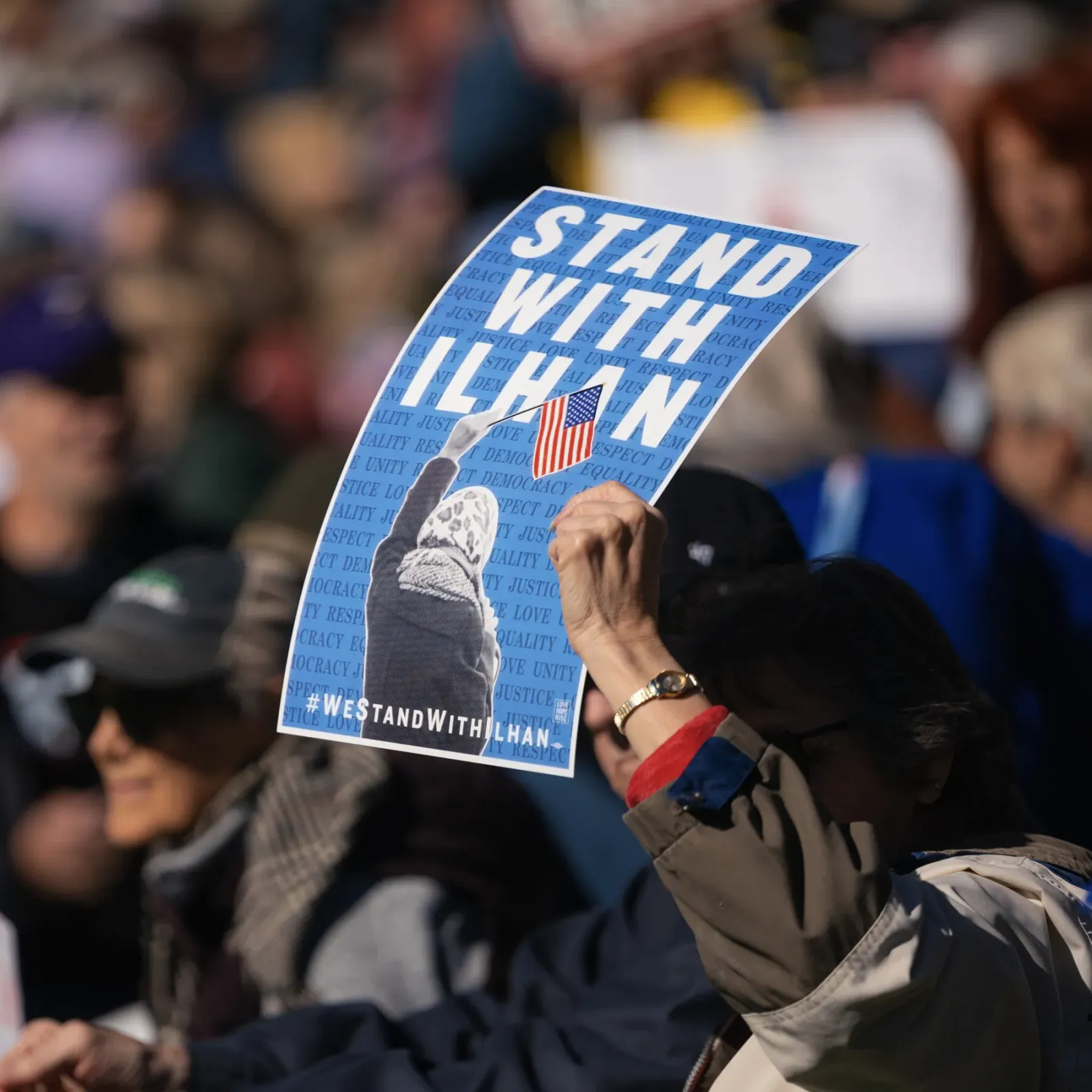
Obama Defends Ilhan Omar After Agents Search Her Home in Trump Inquiry
The former president's intervention raises the stakes in a federal probe into immigration paperwork that has put a prominent progressive lawmaker in the crosshairs.

Blair-era minister: cut welfare to fund youth job support
Alan Milburn's call for welfare cuts to fund employment support opens a Labour fight over benefits and the Neet crisis.

Hot September CPI: energy costs surge, voters feel the squeeze before midterms
The latest inflation print lands as Trump campaigns for GOP control of Congress, putting cost-of-living worries at the center of the midterm fight.