

America's draft exit shields voters, but it changes the war cost everyone else pays
Foreign Policy explains how abandoning the military draft kept most voters insulated while shifting the bill to others.
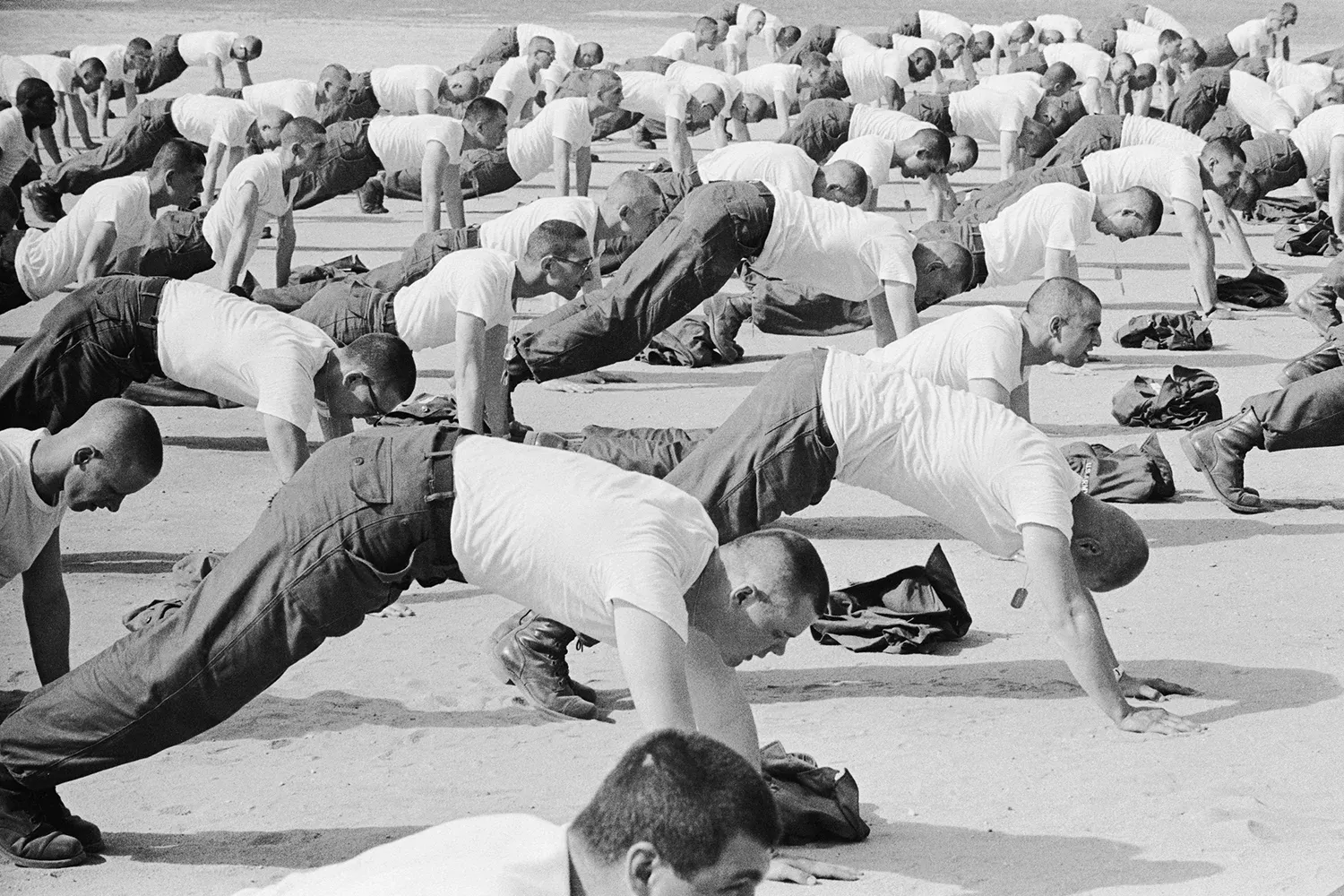
Foreign Policy argues that Donald Trump could expect his war in Iran to avoid disrupting the daily lives of most voters. That insulation is the policy outcome of ending the military draft, with consequences that extend beyond election-season optics.
Foreign Policy’s central point is brutally simple: Trump could be confident his war in Iran would not touch the daily lives of most voters. The mechanism behind that confidence is the absence of a military draft. When there is no draft, the chances that war meaningfully interrupts everyday routines for the average voter shrink. That changes the political pressure environment around foreign conflicts, because fewer families feel the conflict as a near-term personal disruption.
From an executive perspective, this is not just a political observation. It is a statement about how societies ration attention and how governments ration risk. The story frames a world where most voters remain insulated, which means the public debate and electoral incentives around the war can stay focused on higher-level issues, not immediate personal stakes. If most people are not being called up or directly affected, leaders can anticipate a wider runway for policy decisions without the same kind of fast, bottom-up backlash.
To understand why this matters for decision-makers, you have to zoom out to how draft policy interacts with incentives. A draft is a distribution system. It spreads the burdens of war across a broader slice of the population, making the costs harder to ignore. Without a draft, those burdens tend to concentrate more in specific segments of society. That concentration does not remove the cost. It reroutes it: toward the people who serve, their families, and the communities closely connected to military labor markets. Politically, it can make conflicts feel less disruptive to those who are not adjacent to military service.
This is where the “cost” in the headline becomes more than a moral argument. Insulation can distort measurement. When fewer voters experience direct disruption, leaders can interpret lower public turbulence as lower systemic cost. But in practice, cost can migrate. It can show up as long-term readjustment needs, workforce and benefits obligations, and broader economic effects for those drawn into service. Even when the general public is not feeling the day-to-day impact, the operational and human costs are still there, they are just not evenly distributed.
There is also a governance angle. Military draft policy is intertwined with procurement and readiness planning. Even though Foreign Policy’s excerpt is not a detailed policy manual, the implication is clear: choosing a volunteer-force model changes how the country prepares for conflict. Instead of relying on a broad conscription base, the system leans on recruiting, retention, and targeted service pipelines. That, in turn, shapes which institutions carry more of the burden, and how quickly they absorb shocks when deployments rise. For boards and executives watching national-security budgets and contractors, the key point is that “away from the voter” does not mean “away from the ledger.” It means the ledger gets paid somewhere else.
Second-order implications for companies and capital allocators follow from this insulation effect. When wars do not immediately disrupt most voters’ daily lives, political support can become more stable, and timelines can stretch. Stable support can reduce near-term uncertainty for defense planners and suppliers. But it can also delay corrective pressure, meaning policy can continue without the friction that tends to force reassessment when citizens are directly affected. In short, less voter disruption can mean slower feedback loops. In capital terms, that shifts how to think about risk timing: not just whether a policy is “supported,” but how quickly politics reacts when human and operational costs accumulate.
For executives, the strategic stake is how political insulation influences forecasting, budgeting, and regulatory expectations. Defense and security ecosystems often operate inside a web of government contracting, appropriations cycles, and compliance structures that reflect national priorities. If public pressure is muted because most voters feel distant from the war, policymakers may act with fewer interruptions. That can affect procurement cadence and the stability of program planning. It can also change how scrutiny is applied to spending decisions, since the public debate may not be triggered by direct personal disruption.
Foreign Policy’s framing ends up being a warning wrapped in a political explanation. If leaders can count on voters staying insulated, they may face fewer immediate constraints. That can keep conflicts running on a political smoother-than-expected track, even as burdens quietly concentrate elsewhere. For decision-makers in government-adjacent industries, investors, and board members managing exposure to national security spending, the takeaway is to separate voter visibility from cost reality. The war can stay off most people’s daily routes while still demanding payments, changes, and follow-on consequences that eventually land in the systems and communities that carry the weight.
This story's Key Insights and Take-aways are locked.
Create a free account to unlock Executive Actions for one credit.
Register to UnlockAlways free for Executives Club members. Join the Club
More in Politics
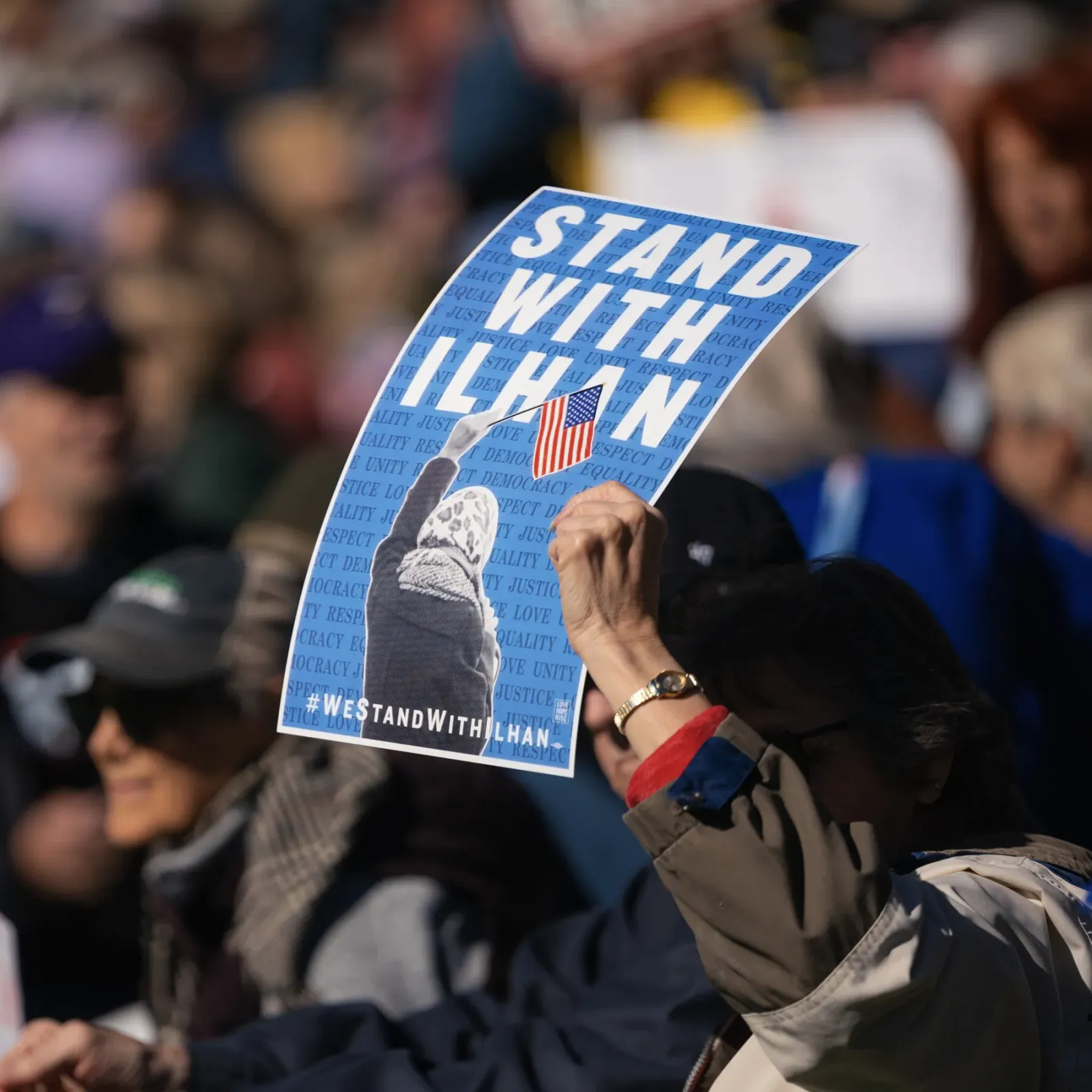
Obama Defends Ilhan Omar After Agents Search Her Home in Trump Inquiry
The former president's intervention raises the stakes in a federal probe into immigration paperwork that has put a prominent progressive lawmaker in the crosshairs.

Blair-era minister: cut welfare to fund youth job support
Alan Milburn's call for welfare cuts to fund employment support opens a Labour fight over benefits and the Neet crisis.
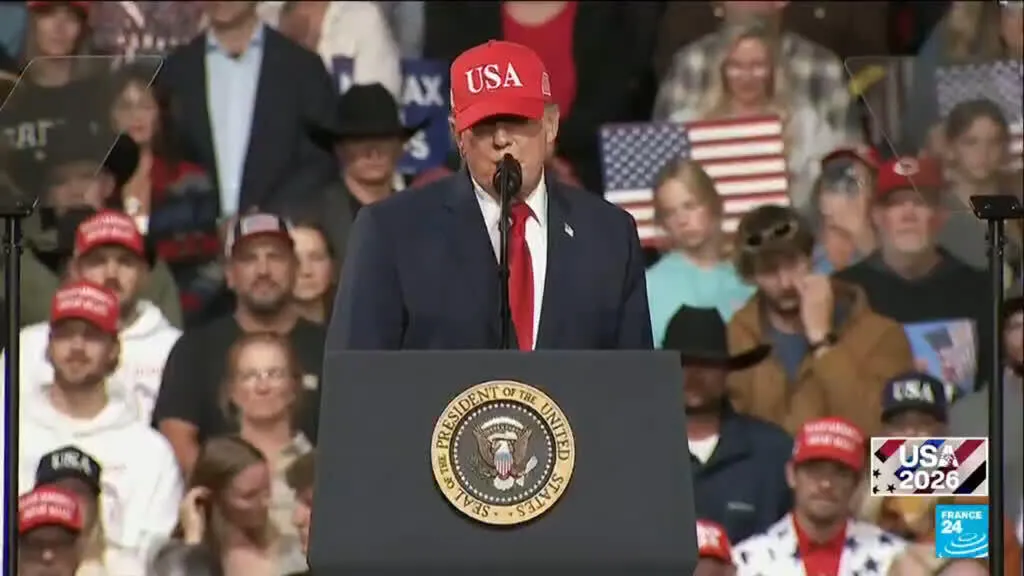
Hot September CPI: energy costs surge, voters feel the squeeze before midterms
The latest inflation print lands as Trump campaigns for GOP control of Congress, putting cost-of-living worries at the center of the midterm fight.