
An actor licensed his face to a microdrama startup. The China playbook just landed.
One face deal is a transaction; a template is an industry. If Hollywood imports China's AI likeness playbook, the fight shifts from who gets paid to who owns the face.
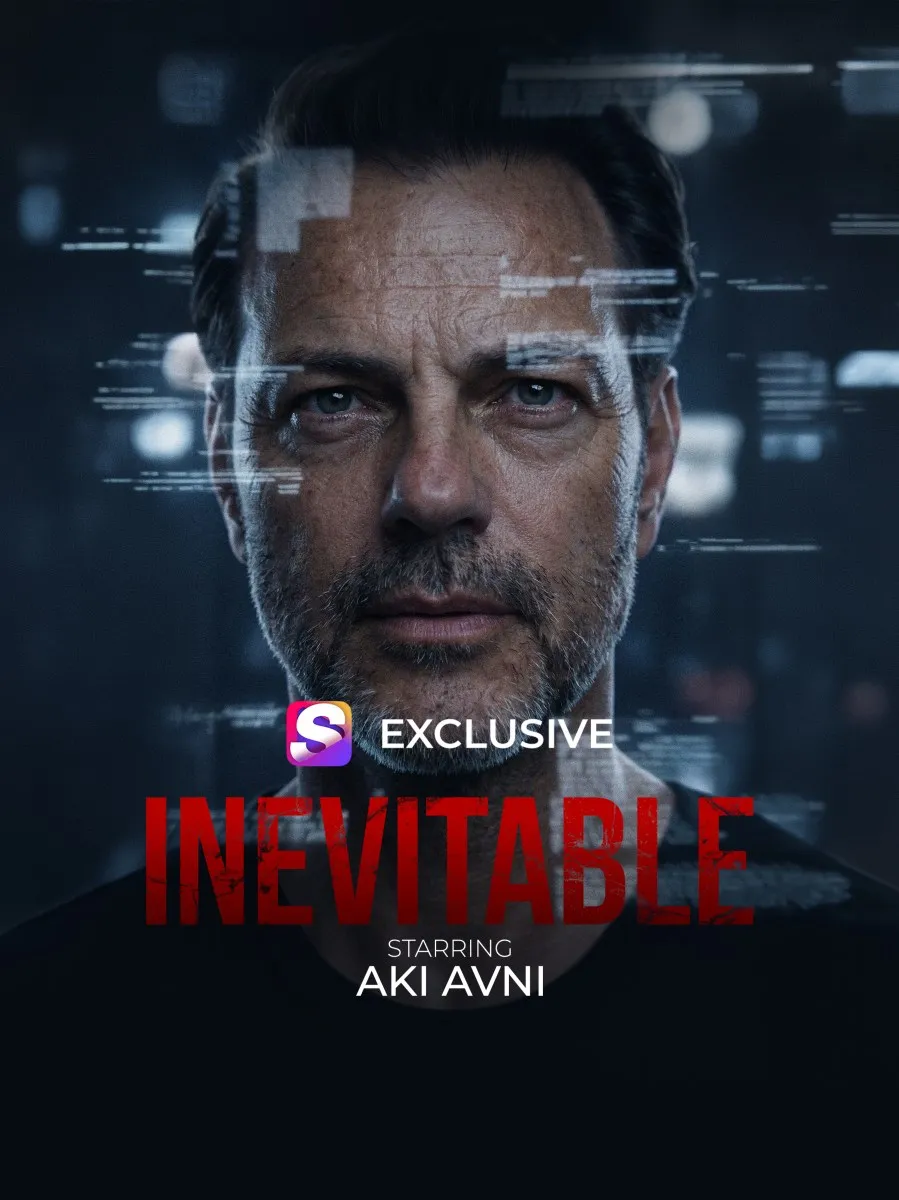
An actor has licensed his face to a microdrama startup, a deal TechCrunch reports as part of a trend already popular in China, with experts questioning the long-term consequences if it spreads to Hollywood. For media and talent executives, the deal signals that likeness is becoming a licensable production input, which puts consent terms, union coverage, and right-of-publicity exposure on the board agenda now.
An actor has licensed his face to a microdrama startup, and the deal is small enough to ignore and structured enough to matter. TechCrunch reports the arrangement, and notes the trend is already popular in China. Experts quoted in that reporting are already asking the uncomfortable question: what happens to Hollywood if this becomes a trend there too? One license is a transaction. A template is an industry.
Start with the format, because the format is doing most of the work. Microdramas are vertical, mobile-first serialized shows, typically built from dozens of episodes that run a minute or two each and are engineered to be watched on a phone in the gaps of a day. They are cheap, fast to produce, and built on cliffhangers. That is precisely why an AI likeness fits. When the business model depends on volume, the ideal performer is one who never sleeps, never ages out of a role, and never renegotiates a rate. The actor's face becomes a production asset rather than a collaborator.
China got there first. The microdrama format scaled there, and AI-assisted production scaled with it, with performers' likenesses licensed, cloned, or generated outright. The current deal is the American version of that playbook arriving in miniature: one actor, one startup, one license covering a face. The format's economics reward speed and punish overhead, and a face that can be rendered on demand removes one of the last fixed costs in the chain. Precedents rarely announce themselves as precedents. They arrive as a single deal that looks reasonable on its own terms, and then get copied.
The logic for the actor is not mysterious. Acting work is intermittent, and a licensed likeness can function like residuals without the wait, a payment stream tied to a face rather than to a shooting schedule. For talent outside the top tier, that is genuinely attractive. The catch is scope. What exactly is licensed, for how long, in which contexts, in which territories, and who holds the veto when the technology improves past the terms of the original agreement? A face deal signed now is a contract about capabilities that do not fully exist yet.
That is where the experts' concern lands. The risk is not this deal. The risk is commoditization. If a startup or a studio can license one face and generate a thousand performances from it, the marginal value of the next actor's face falls, and the bargaining position of everyone who has not yet signed falls with it. Likeness stops being a career and starts being inventory. The second-order effect is a two-tier talent market: a handful of names whose faces are scarce and expensive, and everyone else whose face is a line item.
The legal scaffolding is uneven, which is part of why this is worth watching. In the United States, likeness protection runs largely through state right-of-publicity laws, and those vary considerably from state to state. For context, SAG-AFTRA's 2023 contracts with the major studios established consent and compensation requirements around digital replicas, a landmark set of protections for union performers. But a microdrama startup is not necessarily a signatory to those agreements, and a non-union production can sit outside them entirely. Consent that is standard on a studio lot is optional a few blocks away. Regulation historically trails the deals it governs, which puts unusual weight on the terms being negotiated right now.
Why does a microdrama deal matter to Hollywood at all? Because the format is where audience attention is moving and where production costs are lowest, which makes it the natural testing ground for synthetic talent. If AI likenesses prove workable at that scale and price point, the capability does not stay in the vertical-video lane. It moves upmarket, into scripted series, advertising, and eventually features, where the same consent questions get much more expensive to answer.
For executives and boards, the practical question is not whether AI likenesses are coming. It is who holds the paper when they arrive. Companies that build clean, auditable consent chains, with defined scope, term limits, and clear disclosure to audiences, will be able to use synthetic performers without inheriting a liability. Companies that treat a face license as a cheap workaround will eventually discover that the cheapest asset is also the one most likely to be litigated, regulated, or rejected by an audience that feels misled. The actor who licensed his face may turn out to be early. He may also turn out to be the example everyone else cites before they sign something narrower.
This story's Key Insights and Take-aways are locked.
Create a free account to unlock Executive Actions for one credit.
Register to UnlockAlways free for Executives Club members. Join the Club
More in Technology

Anthropic Mathematician Claims Claude Helped Prove Riemann Hypothesis in Six Weeks
Levent Alpöge says the AI tool helped him develop a solution to one of math's most important unsolved problems in about six weeks, a claim that, if verified, would reshape AI's role in research.
Asahi Pours $85M Into AI Cyber Defense After Ransomware Hit
Japan's beverage giant is rebuilding its security stack around AI, and the $85 million price tag is a warning to every board still treating cyber risk as an IT line item.
Signal kills mobile screenshots to fight the 'existential threat' of AI surveillance
The encrypted messaging app is closing the one hole encryption never covered, the screenshot button, as AI tools get better at reading everything on your screen.