
Ancient DNA shows Europe’s megalith builders vanished, then new migrants took over
A 5,000-year-old French tomb links a population crash to an unrelated replacement group and shifting social traditions.
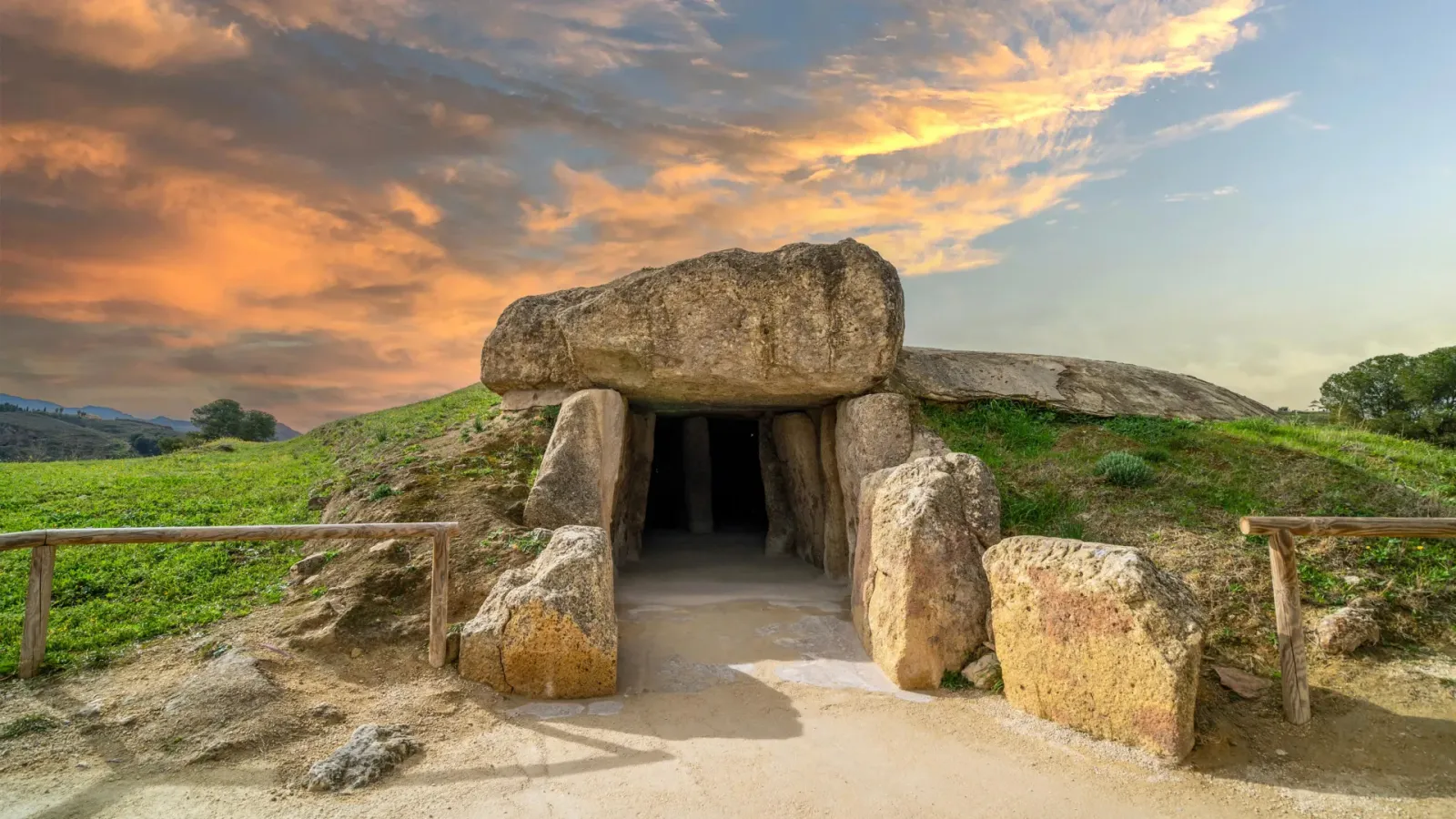
ScienceDaily reports that DNA from a 5,000-year-old French megalithic tomb shows the people buried before and after a collapse were genetically unrelated. For decision-makers, it underscores how disasters can trigger migrations that rewrite societies quickly and permanently.
The key finding is both simple and unsettling: the DNA from a 5,000-year-old French megalithic tomb suggests that the people buried before and after a population collapse were genetically unrelated. In other words, this was not a slow changeover. It looks like a major migration after a devastating crisis, with a different biological population showing up in the archaeological record.
Even more telling, the genetic shift lines up with behavioral and cultural changes. The ScienceDaily report says the transition coincided with new social traditions and with the disappearance of the communities that built Europe’s giant stone monuments. So the collapse did not just reduce headcount. It appears to have broken the continuity of the people who organized and produced the megalith-building lifestyle.
Zoom out for a minute, because this is not just an antiquities story. When societies collapse, the immediate problem is survival. The second-order problem is who controls norms, production, and memory. Megaliths are hard to build and harder to coordinate. They require ongoing labor, shared planning, and a belief system robust enough to justify huge time investments. If the DNA indicates replacement after the crisis, then the institutional scaffolding that made these monuments possible likely stopped working when the original builders disappeared.
This matters for modern leaders because the DNA evidence is basically an algorithm for societal change. One generation experiences a population collapse. The following group is not genetically continuous, and cultural practices shift. That is exactly the pattern executives worry about in different form: when there is a shock, is the post-shock world run by the same people with the same incentives? Or do you get a discontinuity where new groups bring new rules? In business terms, it is the difference between “we recovered and rebuilt with our same team” and “the customer, labor market, and playbook all changed while we were down.”
For context, the megalithic monument-building era in Europe spans long stretches, which is why a sudden genetic break is so striking. Large projects tend to outlast individuals. They also tend to embed into community identity. So if the communities that built Europe’s giant stone monuments disappear, and the buried populations before and after are genetically unrelated, the data points to a replacement that is both demographic and cultural. The study described by ScienceDaily is essentially saying that the monument builders were not merely declining; they were being replaced after the crisis.
There is also a governance angle, even if the source is science. After major disruptions, the survivors, newcomers, and institutions that mediate resources all compete to define “what comes next.” The ScienceDaily report ties the genetic change to “new social traditions.” That implies someone gained the ability to set cultural norms following the collapse. From an executive perspective, that is the lesson: control over tradition, rituals, and community practices often transfers during or immediately after a crisis, not years later. In organizations, those “traditions” show up as how decisions get made, which relationships are trusted, and what behaviors get rewarded.
Finally, this is a reminder about what evidence can and cannot tell you. ScienceDaily frames the DNA as showing genetic unrelatedness and links it to migration and disappearance of monument-building communities. It also connects the timing to shifts in social traditions. The big strategic stake for people who lead companies, boards, and institutions is recognizing how quickly a system can reconfigure when the population base changes. In today’s world, the mechanics are different, but the pressure point is familiar: shocks can reorder talent, networks, and legitimacy fast. If you are responsible for continuity, resilience, and long-term strategy, you should think about continuity of people and practices, not just recovery of output.
In short: a French megalithic tomb dated to about 5,000 years ago preserves DNA that suggests a major migration after a devastating population collapse. The people buried before and after were genetically unrelated, and the shift came with new social traditions and the disappearance of the communities that built Europe’s giant stone monuments. That is the clearest signal yet that after certain crises, societies do not just shrink. They can be replaced, and the new order can be culturally different from the old one almost immediately.
This story's Key Insights and Take-aways are locked.
Create a free account to unlock Executive Actions for one credit.
Register to UnlockAlways free for Executives Club members. Join the Club
More in Science

Alaska's 1,580-foot tsunami had warning signs. Scientists just found them.
Rapid glacier retreat, heavy rainfall, and thousands of tiny tremors preceded Alaska's 1,580-foot tsunami, a warning for every coastal community in a warming world.

The rare mutation that lets high-risk brains dodge Alzheimer's
Scientists found a natural defense against protein buildup, opening a new path to preventive treatments.

3,000 steps a day may halve Alzheimer's decline, study finds
New research links a modest daily walk to less tau buildup and nearly half the cognitive and functional decline, even for those with early signs.