

Andy Burnham answers TikTok: tea order, Christmas dinner rules, and socks-with-sandals policy
The incoming Labour PM uses quickfire TikTok questions to signal his priorities and cultural lines, not just trivia.
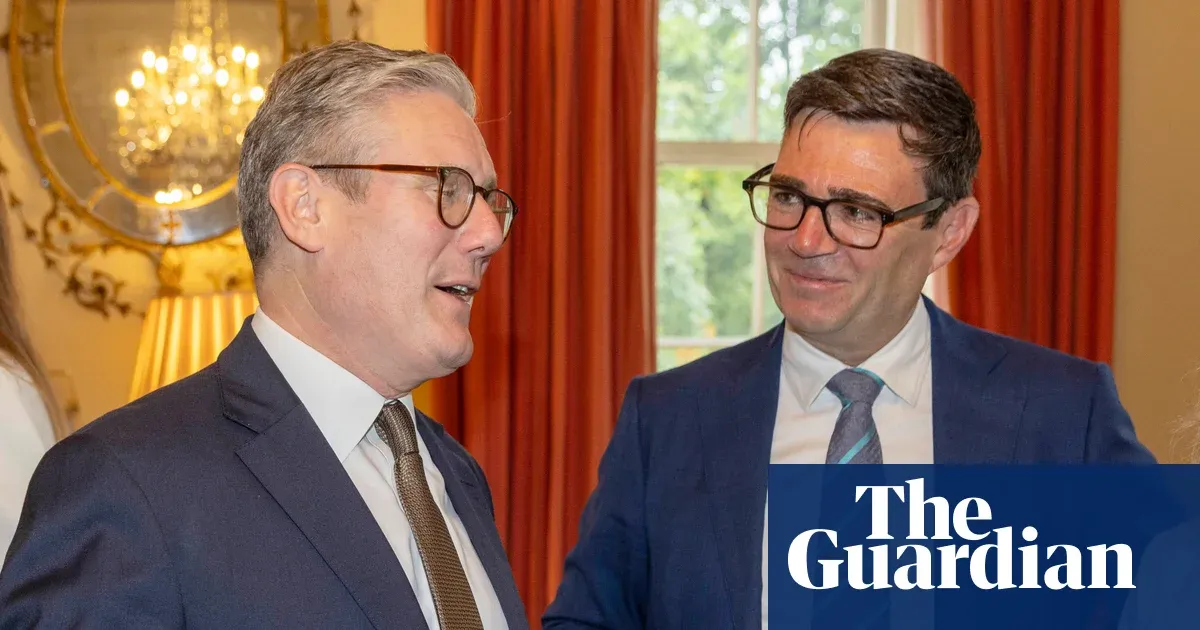
Andy Burnham, the incoming Labour prime minister, answered quickfire TikTok questions that included his view on milk first in tea and what belongs in a Christmas dinner. For decision-makers, the takeaway is less about manners and more about how leaders frame culture, consent, and coalition cohesion.
Andy Burnham, the incoming Labour prime minister, decided to answer the sort of questions most politicians avoid in public: should milk go in the cup before the tea, what items belong in a Christmas dinner, and (because the internet never lets you off easy) his stance on socks with sandals. He did it through quickfire TikTok questions, turning what could have been a throwaway meme moment into an unmistakable message about how he wants to connect with voters.
The big practical point is that this is not random. Burnham is using a mass-audience format to set “leader sets the direction” expectations. As the source notes via a Tony Blair quote, the leader “sets out for the people what they need and not simply what they want. Otherwise, the leader is just a follower.” By answering the tea and dinner questions, Burnham is performing a particular leadership posture: telling people where he stands, quickly, in plain language, and without waiting for a committee.
To understand why that matters beyond tea etiquette, you have to look at how UK politics increasingly behaves like modern media markets. Social platforms reward speed, clarity, and repeatable signals. A TikTok Q&A can function like a focus group that never sleeps, but leaders also use it to discipline their own narrative. Instead of responding to polls, you preemptively define the boundaries of what you’ll tolerate, what you’ll endorse, and what you think is “common sense.” In that sense, socks with sandals is not just fashion. It is a proxy for identity, norms, and who belongs in the tent.
There is also a coalition-management angle hiding in the cardigan. Labour, like any big party, has multiple wings and many voters with very different cultural reference points. When an incoming PM chooses which questions to answer publicly, they are effectively telling different internal factions, “This is how we talk now,” and telling external voters, “This is what we mean.” Quickfire questions compress complex political positioning into digestible choices. Tea-first or tea-later is a shorthand for decisiveness. Christmas rules signal whether you are a rule follower or an imaginative improviser. Each answer becomes a micro-endorsement of a worldview.
The reference to the Tony Blair line in the source underlines the strategic framing. Blair’s idea is about leadership as direction setting, not just reaction. Burnham’s use of TikTok aligns with that, even if the content is light. In many governance contexts, the risk for an incoming leader is looking reactive: always responding to the news cycle, never shaping it. Cultural signals can help a leader demonstrate agency early, before the first major policy bill hits. That is why “trivia” can carry weight. It is rehearsal for messaging discipline.
Second-order implications follow for anyone watching from corporate boardrooms or the broader policy ecosystem. Regulatory and economic decisions in the UK do not happen in a vacuum. They land on top of a public’s trust and tolerance for uncertainty. When leaders build credibility through consistent signals, they can reduce friction later, because stakeholders assume the message pipeline is working. In practical terms, that affects how quickly institutions can mobilize around priorities, whether that is social policy, labor issues, or how government communicates during implementation.
There is also an accountability twist. The lighter the topic, the more scrutiny it attracts, because critics can treat it as evidence of superficiality or misread priorities. So the choice to answer these questions is also a bet that clarity beats controversy. Burnham is betting that voters will see the cultural specificity as authenticity rather than distraction. And he is doing it early in his term transition, while “incoming” status gives him some cover and urgency at the same time. The source frames this as him “starting to set out his views on the big issues facing the UK.” That phrasing matters: it suggests the TikTok questions are the gateway to a broader communication strategy.
For other decision-makers, the lesson is not to copy the tea-ordering content. It is to notice the mechanism: leaders are using mass-native channels to translate values into repeatable signals, then tying that performance back to a leadership theory of direction setting. In a time when attention is scarce and trust can evaporate quickly, the leaders who define their lines early, in public, tend to control the later narrative. That is the real stake behind milk in the cup and socks with sandals. It is about who gets to decide what the country treats as “normal,” and how quickly.
This story's Key Insights and Take-aways are locked.
Create a free account to unlock Executive Actions for one credit.
Register to UnlockAlways free for Executives Club members. Join the Club
More in Politics

LA County: DOJ's 20,000 'noncitizen' voter list is 'unreliable,' includes U.S.-born
Preliminary review by Los Angeles County election officials finds errors in the federal list, raising the stakes for voter roll integrity ahead of November.

Trump's $1.5B Pentagon chip investment lands in North Carolina
A $1.5 billion defense infusion for North Carolina chipmaking signals a new era of Pentagon-backed reshoring - here's what it means for the industry.

Nigeria confirms first Ebola case in Abuja, a woman just off a Uganda flight
Health Minister Muhammad Ali Pate says the patient flew in from Uganda, putting Africa's latest outbreak on Nigeria's doorstep.