
Andy Burnham launches No 10 North, gives regional mayors a bigger say in economic policy
Burnham revives Gordon Brown's national economic council and argues power-sharing boosts growth. Here is what it changes for UK decision-makers.

Andy Burnham said regional mayors will play a leading role in UK economic policy as he called the opening of No 10 North “the biggest rebalancing of power our country has seen.” He also revived the national economic council, originally set up by Gordon Brown after the 2008 financial crash.
Andy Burnham is trying to turn the UK economic policy machine sideways, and he picked the geography as the lever. As No 10 North opened, Burnham said it represented “the biggest rebalancing of power our country has seen,” and he used that moment to argue for a new center of gravity for growth. The key shift: regional mayors are to be given a leading role in economic policy decisions, not treated as local observers with occasional input.
Burnham’s framing is bluntly political, but it also carries a management message for anyone who has ever watched a central government plan crash into local reality. He said “no one in government loses when power is shared,” and he connected that to the way economic policy is supposed to move. Instead of a one-way flow from central departments to regions, the plan is meant to make regional leaders active participants in shaping how the country targets growth.
To make that power-sharing more than a slogan, Burnham revived the national economic council (NEC). The NEC is not new architecture. It was first set up by Gordon Brown to put the government on a war footing during the 2008 financial crash. In other words, the council’s origin story is urgency. It was created when policymakers needed speed, coordination, and a shared sense of mission because the financial system was under severe stress.
Burnham’s argument is that economic growth now needs the same kind of urgency, focus, and collective action. That is an important distinction. Growth may not always feel like a crisis, but policymakers often treat it that way when competition is global and constraints are domestic. When a government says it is applying “war footing” energy to economic growth, it is essentially telling departments and regions: stop operating like silos, align on priorities, and move with a shared timeline.
For decision-makers, the second-order implication is about incentives and coordination. Economic policy in the UK typically spans multiple actors, from national ministries to regional bodies and mayors with their own delivery mandates. In a centralized model, everyone waits for guidance from the top. In a shared-power model, the top has to tolerate more negotiation, more iteration, and more bargaining over what “priority” means in different places. Burnham is betting that the extra friction is worth it if it produces better outcomes and faster execution.
Boards and investors may also care, because policy coordination can change what companies expect from the operating environment. If economic policy is developed with regional leaders more directly involved, then the signals to businesses about infrastructure planning, skills, and local economic priorities could become more consistent, or at least more legible. Even when the policy instruments remain national, regions influence delivery capacity. Mayors and regional authorities often shape the practical pathways for projects, from land and permitting processes to local workforce development. If those actors are pulled into economic policy decisions earlier, it could reduce the gap between plan and implementation.
There is also a governance implication. Reviving a council originally designed for crisis coordination changes how authority might be exercised. The NEC, coming back to the center of policy design, suggests a platform where multiple parts of government can be required to work through a common process, rather than treating each policy domain as its own universe. If regional mayors are given leading roles, then the question becomes: does the NEC become a consultative forum, or does it turn into a real decision engine with teeth? Burnham’s own line about power-sharing implies it is meant to shift who influences outcomes.
Finally, the No 10 North opening is a symbolic bet with practical stakes. “It’s not just a No 10 in the north,” Burnham’s argument goes, “it’s an engine for growth throughout the whole UK.” That phrase is doing more work than it looks like. It signals that the government wants to distribute capability, not only distribute buildings. For anyone watching UK policy as a macro factor, the strategic question is whether this becomes a durable rebalancing of decision-making, or a one-time political reset. If it sticks, the next policy cycle could look different: more regional participation, potentially faster alignment on priorities, and a clearer narrative that economic growth is a nationwide project rather than a set of national decisions delivered to regions after the fact.
This story's Key Insights and Take-aways are locked.
Create a free account to unlock Executive Actions for one credit.
Register to UnlockAlways free for Executives Club members. Join the Club
More in Politics
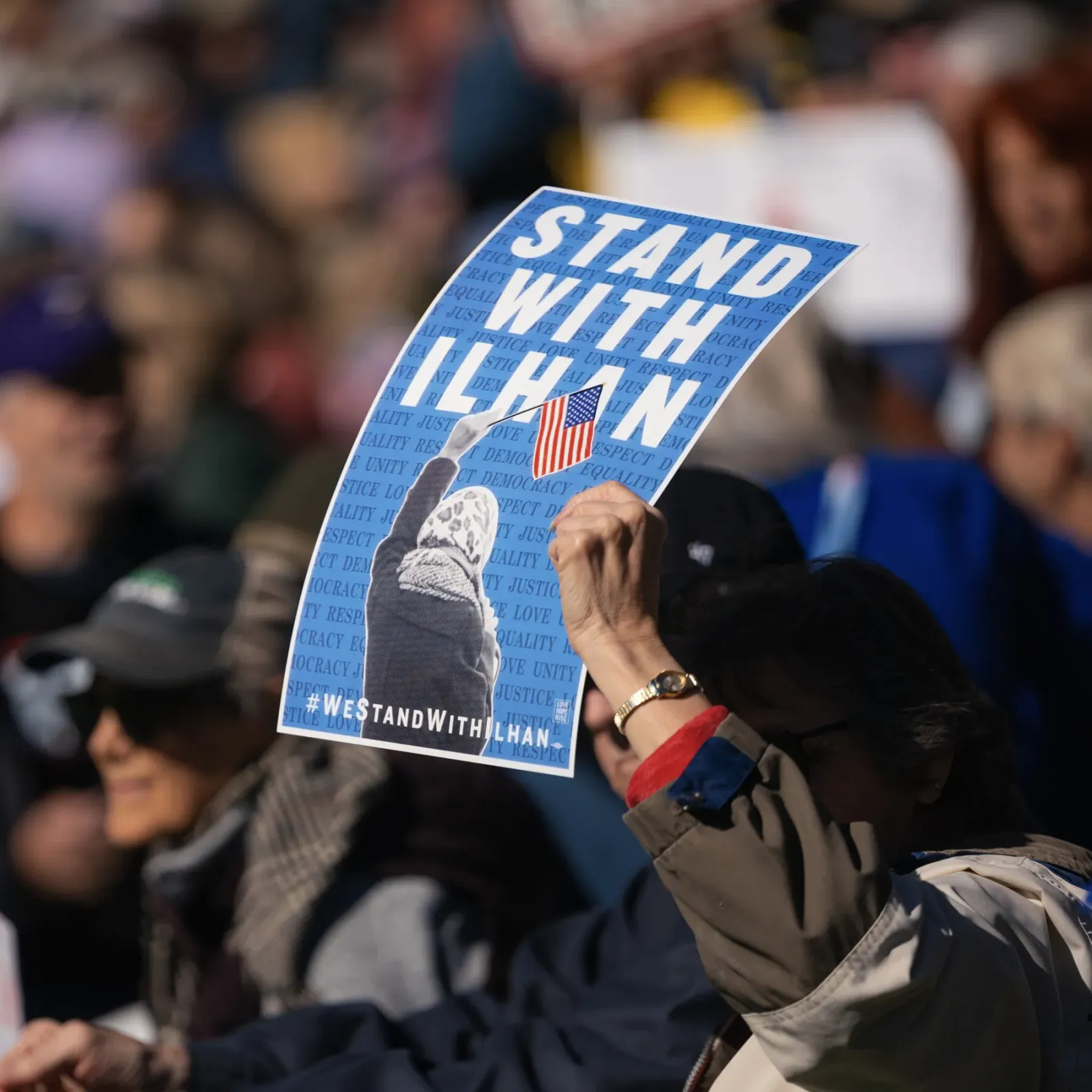
Obama Defends Ilhan Omar After Agents Search Her Home in Trump Inquiry
The former president's intervention raises the stakes in a federal probe into immigration paperwork that has put a prominent progressive lawmaker in the crosshairs.

Blair-era minister: cut welfare to fund youth job support
Alan Milburn's call for welfare cuts to fund employment support opens a Labour fight over benefits and the Neet crisis.
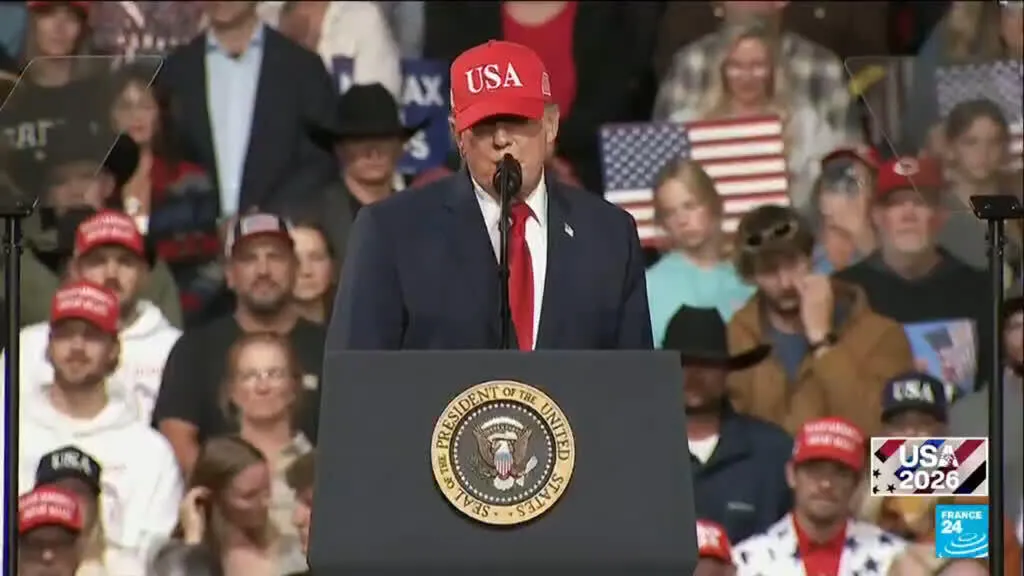
Hot September CPI: energy costs surge, voters feel the squeeze before midterms
The latest inflation print lands as Trump campaigns for GOP control of Congress, putting cost-of-living worries at the center of the midterm fight.