

Andy Burnham pushes “growth in every postcode” with devolution plan in first big speech
The hopeful No 10 bidder links his entire pitch to power and spending shifting out of London, starting immediately.

Andy Burnham, the Makerfield MP and hopeful prime minister, is set to propose a devolution plan in his first major policy speech since launching his bid for No 10. The case he is making is grounded in his 2024 book “Head North,” co-authored with Liverpool city region mayor Steve Rotheram.
Good morning. Andy Burnham, the Makerfield MP and hopeful prime minister, is set to propose a devolution plan in his first major policy speech since launching his bid for No 10. The core promise is “growth in every postcode.” And the “why now” matters: when Keir Starmer became PM, Labour was awash with missions and policy, but not everyone could clearly see the single driving goal. Burnham is trying to remove that fog by rooting his agenda in one simple diagnosis and a specific mechanism.
The mechanism is devolution: shifting decision-making and spending away from London. Burnham is not reaching for that idea in vague terms. He published a book in early 2024 called “Head North,” co-written with Steve Rotheram, the Liverpool city region mayor. In that book, they argue that the north of England has lost out because power in the UK is hoarded in the south. They propose a “huge rebalancing,” achieved through devolving both power and budgets, building on work they were able to achieve as metro mayors.
If you are curious what Burnham would actually do in Downing Street, the source is basically telling you to start with “Head North.” That is where the 10 point plan is, and where the logic chain runs from political philosophy to delivery system. The book frames the problem as a geography of authority, not a lack of ambition. So the policy response is also structural. Instead of asking regions to compete for attention, the pitch is to change who holds the knobs: decisions and spending should move closer to where the consequences show up.
That is an important distinction in UK politics because decentralization is both a promise and a fight. Devolution typically means more than moving projects. It means changing budgeting lines, accountability structures, and the way national departments interact with local leaders. In plain English, it alters who can approve what, when, and with which resources. That is why this kind of plan tends to be less about a single manifesto headline and more about how the administrative plumbing gets reworked. Burnham and Rotheram, as metro mayors, are implicitly drawing on prior experience with that plumbing, not just ideology.
The story also gives a clear warning shot about expectations. The book “even includes a 10 point plan,” but the source adds that “some elements of which will almost certainly be dropped.” That line matters because it preempts a common reaction to big political proposals: the belief that every item in a plan will survive contact with Parliament, Cabinet negotiations, and the hard math of implementation. For decision-makers watching from the outside, the practical takeaway is that you should expect selective retention. The claim is not that the entire 10 point plan will remain intact, but that some elements will likely become “at the core of the Burnham project.”
Now zoom out to the political timing. Burnham is set to become PM three weeks today. In a newsroom sense, this is the moment where a candidate turns from campaigning into governance signals. After Keir Starmer became PM, he published missions and first steps, and the perception problem was that some people still felt it was hard to know Starmer’s single big goal. Burnham is addressing that directly, essentially saying: here is the single organizing principle, here is how it translates into spending and decision rights, and here is what it would mean for the regions that have historically felt left behind.
For executives and board-level readers, the second-order implications are straightforward even if the setting is political. When authority and budgets shift, funding pipelines change. Regional economic strategy can move faster because decision-making moves closer to local delivery. That can change how businesses plan expansions, how employers anticipate labor and infrastructure priorities, and how partnerships between local government and employers get structured. It can also reframe risk: centralized grants and targets can be replaced or supplemented by devolved budgets, which may introduce new accountability mechanisms and new ways to measure outcomes. In other words, if devolution is real and deep, it changes the operating environment in which growth decisions are made.
And for peers in similar roles, the stakes are not just ideological. This is about legitimacy and momentum. A devolution promise is only credible if it translates into spending authority and consistent delivery. The source frames Burnham’s pitch as “growth in every postcode,” which is a deliberately broad slogan with a tight test behind it: can policy makers back that statement with the devolution of decision-making and spending away from London? If they can, the plan becomes more than a political brand. It becomes an institutional shift that other regions will watch closely, and other political contenders will have to respond to, because once expectations move, they are hard to pull back.
This story's Key Insights and Take-aways are locked.
Create a free account to unlock Executive Actions for one credit.
Register to UnlockAlways free for Executives Club members. Join the Club
More in Politics
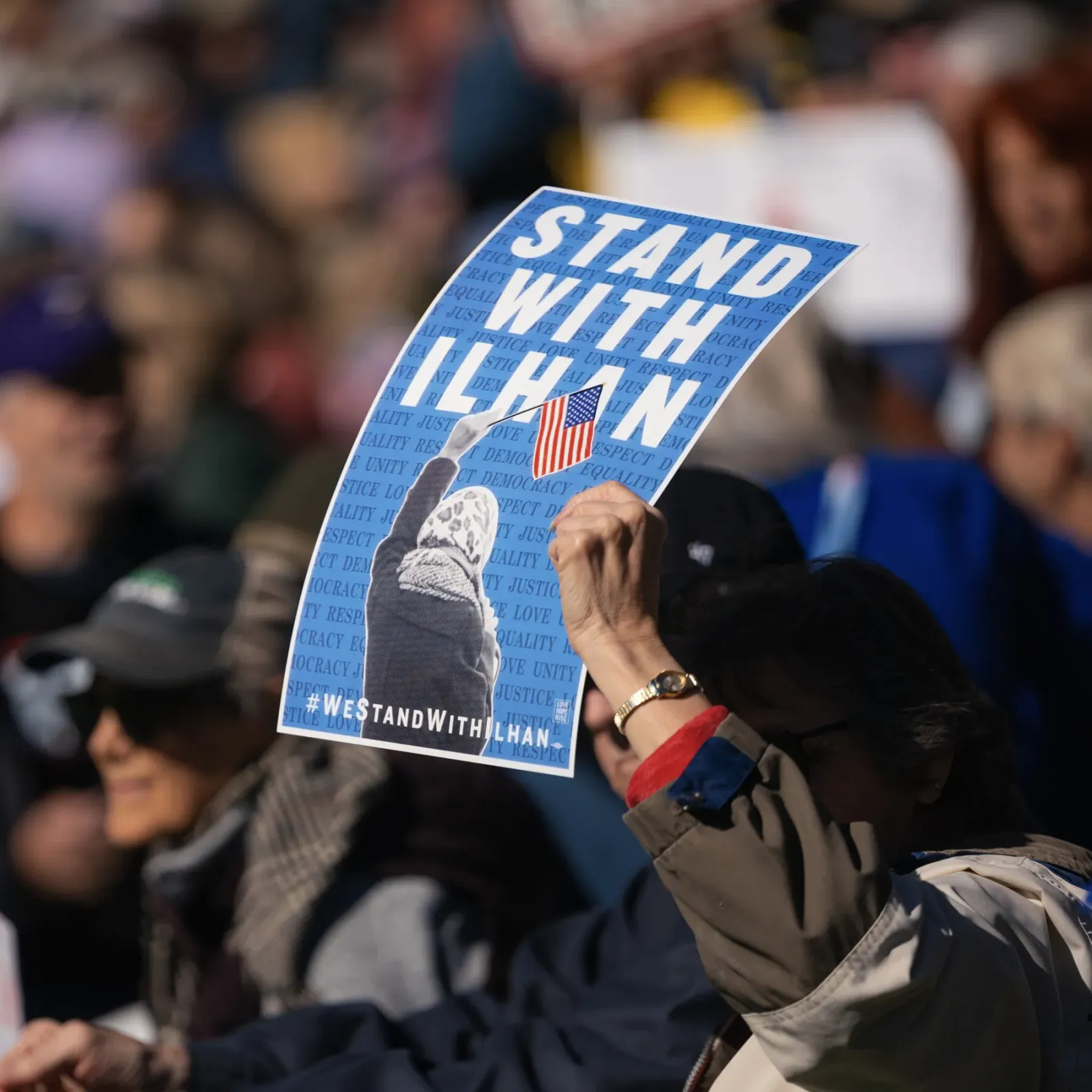
Obama Defends Ilhan Omar After Agents Search Her Home in Trump Inquiry
The former president's intervention raises the stakes in a federal probe into immigration paperwork that has put a prominent progressive lawmaker in the crosshairs.
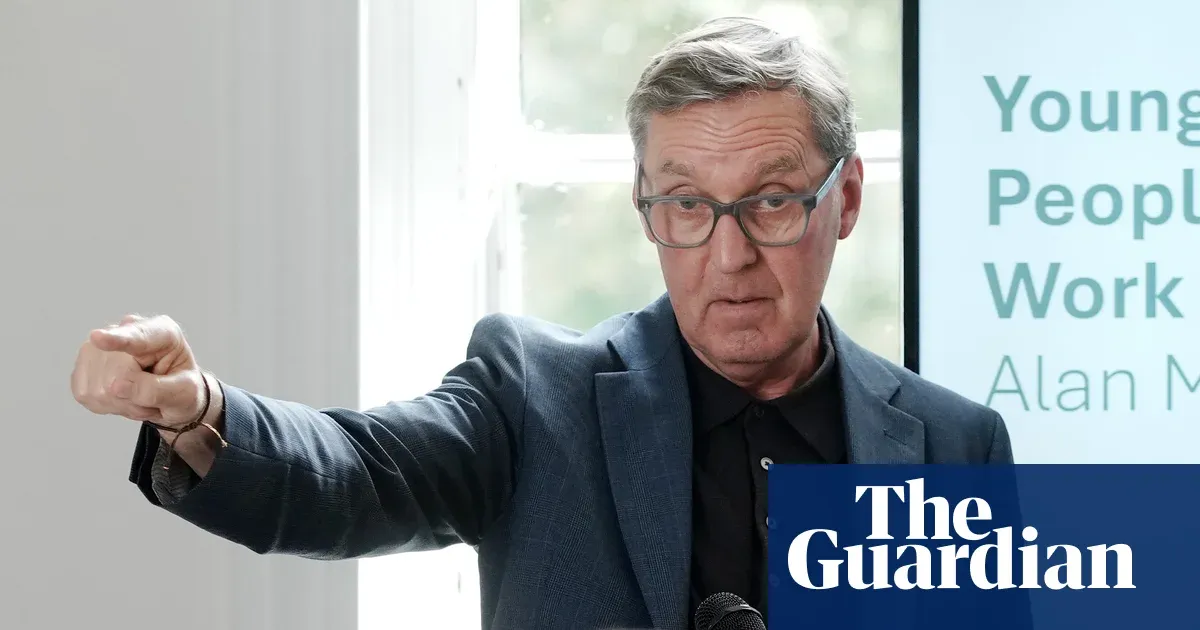
Blair-era minister: cut welfare to fund youth job support
Alan Milburn's call for welfare cuts to fund employment support opens a Labour fight over benefits and the Neet crisis.
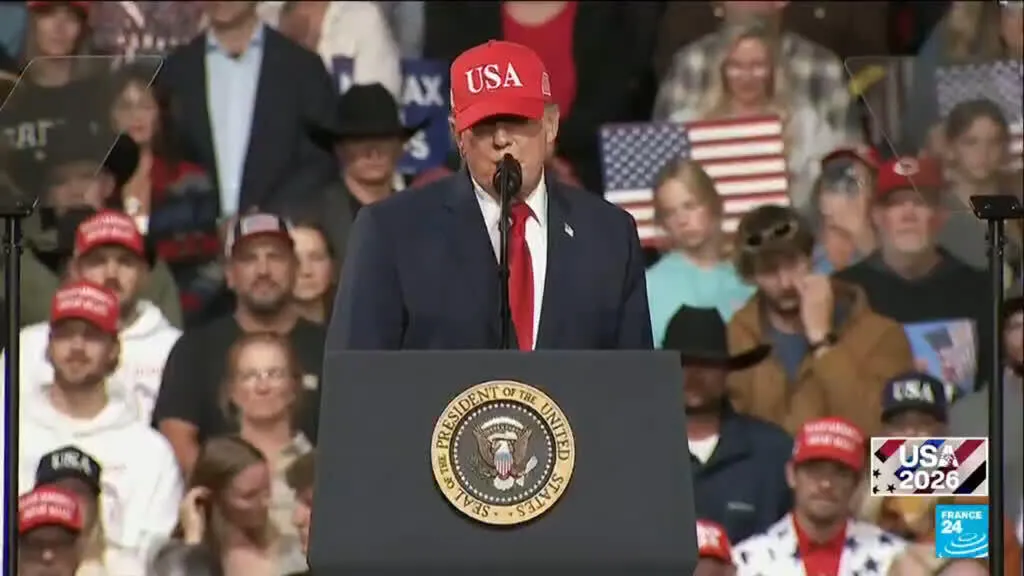
Hot September CPI: energy costs surge, voters feel the squeeze before midterms
The latest inflation print lands as Trump campaigns for GOP control of Congress, putting cost-of-living worries at the center of the midterm fight.