

Andy Burnham pushes to block child rapists’ early release as talks hit day’s end
Ministers have 24 hours to decide exemptions in the early release scheme, weighing public protection against prison capacity pressure.

Andy Burnham is focused on preventing the release of child sexual abuse perpetrators under the government’s early release scheme. The deadline-driven exemption talks force decision-makers to balance victim input and public safety against the risk of a criminal justice system overwhelmed by prison constraints.
Urgent talks over the government’s early release scheme have entered their final day, with Andy Burnham focused on one specific outcome: keeping child sexual abuse perpetrators in prison. Ministers are understood to have 24 hours to assess which criminals can be released early, and every potential exemption is being weighed against what is effectively the system-wide fear of a criminal justice collapse.
The near-term pressure is straightforward. Prison space is scarce enough that ministers are actively considering early releases to free up capacity, but the review is not a simple “release more people” arithmetic exercise. Burnham’s stated focus, as described in the report, is on preventing the release of child sexual abuse perpetrators. And that focus is being tested in real time against inputs from victims’ representatives and support services, which have been part of the decision process ahead of the final stretch.
Why does this matter beyond the headlines? Because early release schemes do not just change individual cases. They reshape the incentives for everyone sitting around the table: ministers, officials running the review, and the wider public sector machinery that has to keep cases moving without either clogging courts or eroding public confidence. When the government frames the tradeoff as “prison space now” versus “risk of collapse if the criminal justice system cannot function,” you get a policy problem with two failure modes. One is too little capacity and an overwhelmed pipeline. The other is releasing the wrong population and triggering backlash, legal challenge risk, and long-term legitimacy damage.
The report describes exemptions as something ministers are actively negotiating, with “serious criminals” potentially carved out. That is a crucial detail. Exemptions are where political accountability concentrates. A general early release scheme can be defended as a capacity measure, but exemptions become the moral and legal boundary markers that define what the state is willing to tolerate in a crisis. The mention that every exemption is being weighed against the threat of collapse signals that exemptions are not being treated as side considerations. They are the central governance lever.
The timing also changes how decisions get made. A review “goes down to the wire,” with government ministers understood to have 24 hours to assess which criminals can be released early. When a policy deadline tightens like this, the organization tends to move from deliberation to triage. That can mean faster reliance on existing categories and frameworks, and less tolerance for new, nuanced arguments. It can also increase the importance of whoever can credibly bring context quickly. In this case, the report notes that ministers have spoken with victims’ representatives and support services. That kind of input is not just emotional. It can shape how exemptions are interpreted and how “threat” is defined and prioritized.
There is also a legal and operational layer hiding under the political layer. The early release scheme is essentially a mechanism for altering sentencing outcomes before full terms are served, which means it runs through the criminal justice system’s governance and safeguards. If ministers believe the alternative is a system-wide collapse, they are implicitly acknowledging that current detention capacity is not sustainable under normal throughput. But tightening safeguards at the exemption boundary, especially for child sexual abuse perpetrators, raises the question of whether the policy can still achieve enough prison-space relief. In other words, each blocked category may reduce the scheme’s “capacity impact,” while each added exemption may shift the burden back onto courts, probation services, and custody decision points.
For executives and board members watching policy-driven risk, the second-order implication is simple: prison and justice policy is a real operational constraint that can cascade. When institutions approach “collapse” thresholds, emergency frameworks tend to expand, and with them the pace and intensity of scrutiny. That scrutiny can spill into contracting, service delivery, and compliance expectations across public-facing organizations connected to justice and welfare support. Even for companies not directly involved, the governance signal is relevant. Where governments treat time-limited reviews as high-stakes, stakeholders should expect tighter reporting, faster decision cycles, and sharper scrutiny of who gets exceptions and why.
The strategic stakes for anyone in a governance role are not abstract. This review is about preventing specific offenders, including child sexual abuse perpetrators, from being released early, while ministers simultaneously navigate capacity pressure and the risk of a criminal justice system failing under strain. The final-day outcome will test whether the state can protect victims and maintain legitimacy without triggering operational gridlock. And for observers across sectors, it is another reminder that in crisis policymaking, the “exceptions” are where public safety, political accountability, and system sustainability collide.
This story's Key Insights and Take-aways are locked.
Create a free account to unlock Executive Actions for one credit.
Register to UnlockAlways free for Executives Club members. Join the Club
More in Politics
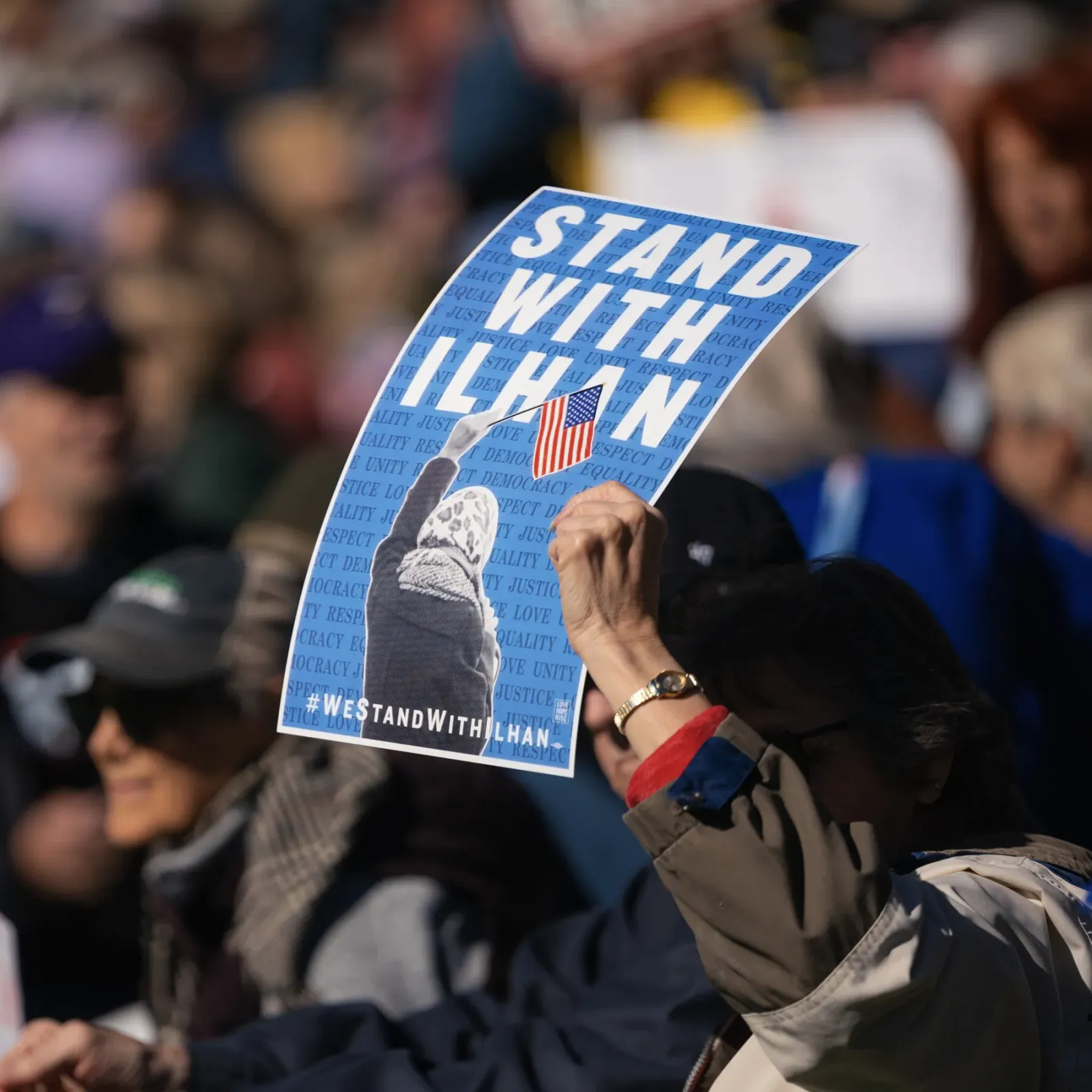
Obama Defends Ilhan Omar After Agents Search Her Home in Trump Inquiry
The former president's intervention raises the stakes in a federal probe into immigration paperwork that has put a prominent progressive lawmaker in the crosshairs.

Blair-era minister: cut welfare to fund youth job support
Alan Milburn's call for welfare cuts to fund employment support opens a Labour fight over benefits and the Neet crisis.

Hot September CPI: energy costs surge, voters feel the squeeze before midterms
The latest inflation print lands as Trump campaigns for GOP control of Congress, putting cost-of-living worries at the center of the midterm fight.