
Capital One says monthslong review, not Jan. 6, led to Trump accounts closures
In court, Capital One argues hundreds of shut-down accounts in 2021 followed internal scrutiny over money-laundering concerns.
Capital One is asking a judge to permanently dismiss a lawsuit from Trump-affiliated businesses, saying a monthslong internal review explains why hundreds of accounts were closed in 2021. The bank says that review, not the Jan. 6 riot, is the real reason for the shutdowns, and that matters for how regulated banks defend their compliance decisions.
Capital One wants a judge to permanently dismiss a lawsuit brought by Trump-affiliated businesses, and the bank is making a very specific argument about cause and timing. In its filing, Capital One says the closures of “hundreds of accounts” in 2021 were explained by a monthslong internal review focused on money-laundering concerns. In other words, the bank is trying to disconnect the shutdowns from the Jan. 6 riot narrative.
That distinction is the whole point of Capital One’s ask. If the lawsuit suggests the Jan. 6 events drove the closures, the bank is pushing back with a tighter timeline: the review happened over months, and the bank says it is the internal scrutiny, not Jan. 6, that explains what happened in 2021. For decision-makers, the practical takeaway is blunt: in compliance disputes like this, banks do not just need a decision, they need an internally documented rationale that can survive legal cross-examination.
To understand why this kind of argument is so consequential, you have to zoom out to how banks handle account risk. When a bank opens and monitors accounts, it runs through layers of oversight, including processes designed to reduce exposure to money laundering. Those processes are not a marketing choice; they are core expectations in a regulated system where regulators look for controls, consistency, and the ability to explain decisions after the fact. And when account relationships end, the reasons tend to be framed around risk and compliance, not politics. That is exactly the framing Capital One is trying to lock in here, by emphasizing a monthslong review and citing money-laundering concerns.
The lawsuit, as described in the report, comes from Trump-affiliated businesses. That matters because it makes the dispute more than a dry compliance question. There is a public, reputational lens that people naturally apply to any bank action involving high-profile political figures. But in court, reputations are not the standard of proof. What counts is the bank’s documented process and whether it aligns with the timeline. Capital One’s filing is essentially saying: look at when the internal work happened. If the decision can be traced to a review that began and progressed over months, then the link to Jan. 6 becomes harder to sustain.
There is another layer executives should care about: how banks protect decision-making credibility while managing business pressure. A bank facing a potential lawsuit has incentives to present a single, coherent compliance story. That story has to satisfy multiple audiences. It needs to be legible to a judge. It has to be consistent with internal records. It also has to withstand the risk that an alternative narrative becomes the default public explanation. By emphasizing that the internal review, not the Jan. 6 riot, explains closures in 2021, Capital One is attempting to prevent the narrative from drifting toward a politically charged causation claim.
This kind of courtroom framing can also ripple outward into peer behavior. Public legal disputes involving account closures remind other institutions that regulators and plaintiffs will scrutinize not just outcomes, but process. Boards and executive teams typically want to know whether their compliance workflows are durable, whether they can be defended in writing, and whether decision logs will hold up under a timeline analysis. Even if a bank never expects to be sued, the underlying lesson is the same: a compliance control is only as strong as the record behind it.
Finally, there is the second-order implication for decision-makers in regulated industries broadly: when a high-profile event like Jan. 6 intersects with financial compliance, the “what happened when” question becomes as important as “what was found.” Capital One’s motion to permanently dismiss is a bid to get the case shut down by anchoring the explanation in a monthslong internal review. If the court accepts that reasoning, it would reinforce that compliance actions can be justified by documented internal risk processes even when surrounding events invite alternative interpretations. For executives and boards watching from the sidelines, the stake is clear: your defensibility in court starts long before the lawsuit starts, and it lives in the timeline you can prove.
This story's Key Insights and Take-aways are locked.
Create a free account to unlock Executive Actions for one credit.
Register to UnlockAlways free for Executives Club members. Join the Club
More in Politics
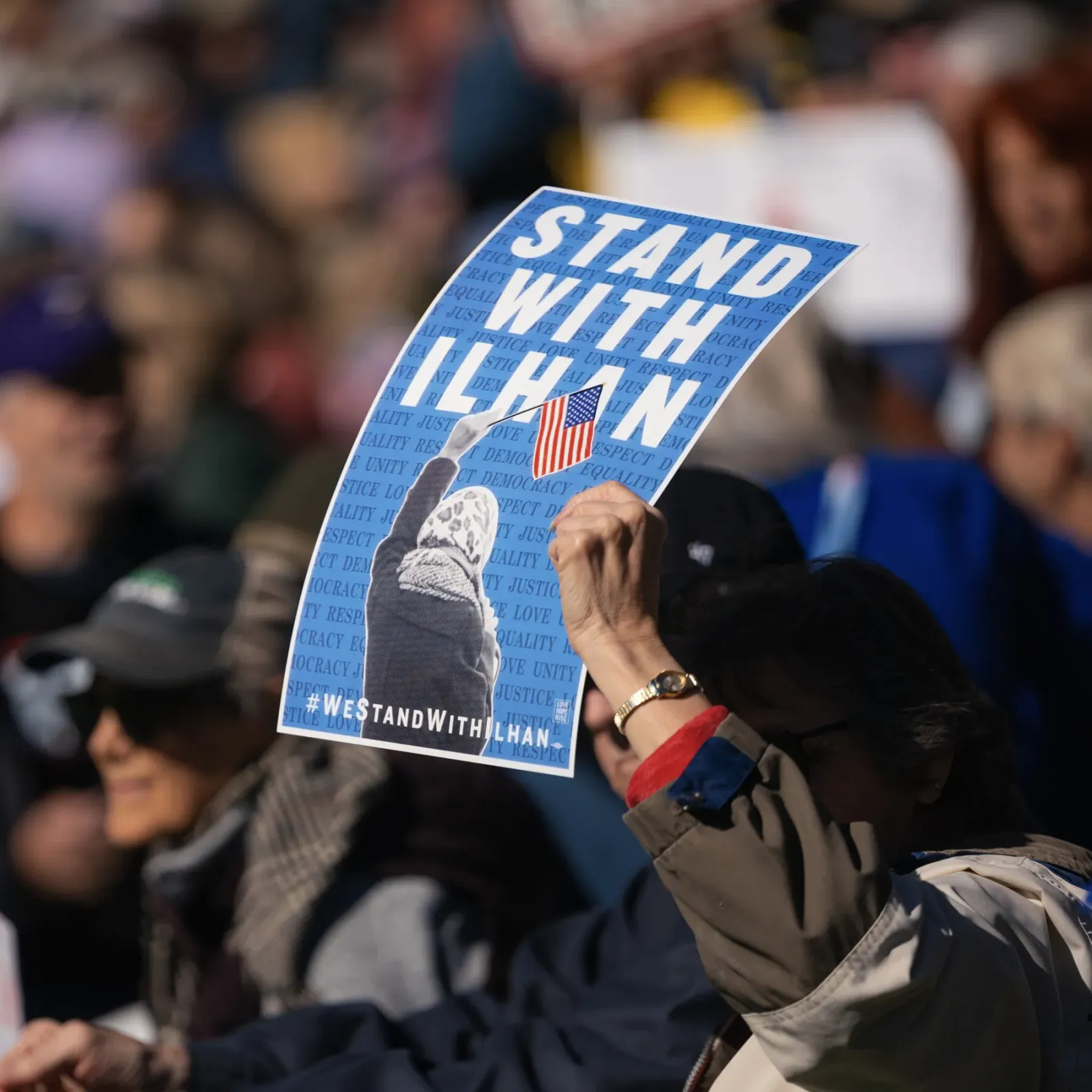
Obama Defends Ilhan Omar After Agents Search Her Home in Trump Inquiry
The former president's intervention raises the stakes in a federal probe into immigration paperwork that has put a prominent progressive lawmaker in the crosshairs.

Blair-era minister: cut welfare to fund youth job support
Alan Milburn's call for welfare cuts to fund employment support opens a Labour fight over benefits and the Neet crisis.
Hot September CPI: energy costs surge, voters feel the squeeze before midterms
The latest inflation print lands as Trump campaigns for GOP control of Congress, putting cost-of-living worries at the center of the midterm fight.