

Andy Burnham’s Manchester “No 10 North” plan sparks Badenoch and Farage question-battle
The Makerfield MP says he’ll launch “No 10 North” and claims it is the biggest rebalancing of power ever. The pushback: no one wants questions.

Andy Burnham, Makerfield MP and a hopeful prime minister, confirms he will set up “No 10 North” in Manchester in a major policy speech. In the same political exchange, Kemi Badenoch criticizes Burnham, Nigel Farage, and Keir Starmer for not taking questions, arguing she will answer them instead.
Andy Burnham, Makerfield MP and a hopeful prime minister, says he will set up “No 10 North” in Manchester in a major policy speech. He frames the move as nothing less than a “biggest rebalancing of power the country has ever seen.” Translation: this is not a feel-good rebrand of government offices. It is a bet that shifting where power sits can shift what the government prioritizes, and who gets listened to.
The political temperature around that bet jumped immediately. When asked what she thought of Andy Burnham not taking questions this morning, Badenoch did not mince her view. She said, “Andy Burnham doesn’t like questions.” She extended the jab to Nigel Farage, saying he “doesn’t like questions” either, and then pointed to Keir Starmer in parliament, adding that “even Keir Starmer in parliament, he doesn’t like questions here.” The subtext is clear: a government plan about power is supposed to survive scrutiny in public. If it avoids questions, opponents argue, then the plan is about control, not accountability.
From a policy and governance lens, “No 10 North” is a classic high-stakes signaling play. The UK has long wrestled with the idea that decision-making too often clusters in London, while regional needs are treated as downstream problems. Burnham’s language, “biggest rebalancing of power,” is designed to rally supporters who want government attention to move closer to the communities affected by unemployment, deindustrialization, infrastructure gaps, and public service strain. Whether you support the concept or not, the emphasis on rebalancing is an attempt to redraw the mental map of national politics.
Now add the question-battle, because it is not just personality. Badenoch’s argument is essentially a governance test: if a leader will not take questions, critics can claim they are dodging hard issues. In politics, question-taking is a kind of procedural legitimacy. It gives opponents a concrete target, and it gives voters a simple scoreboard: who answers, and who deflects. Badenoch ends her response by saying, “If you want somebody who can answer questions, please come to me. I will answer all of your questions.” That is a direct contrast designed to make her look more accountable, not merely more sympathetic.
But the exchange also surfaces a second-order tension that boards, executives, and serious operators recognize instantly: narratives about performance can hijack narratives about structure. Badenoch does not limit her critique to process. She pivots to a substantive claim about economic history and who deserves power. She says she does not think it should be Ed Miliband, calling him “the single person who has done the most to deindustrialise our country and make us poorer.” She also argues Miliband “should not be rewarded with an even more powerful job where he can completely bankrupt the country.” Again, no hedging. This is an attempt to tie the future configuration of power to an indictment of past outcomes.
Why does that matter beyond Westminster theatre? Because structural changes like relocating power, reorganizing decision hubs, or launching “No 10 North” typically have long operational tails. They can shift budgets, staffing, contracting priorities, and the policy pipeline itself. If opponents successfully attach credibility problems to the people and track records behind those changes, the plan can face a legitimacy deficit before it even becomes operational. Executives understand this pattern from corporate reorganizations: the strategy may be coherent on paper, but if stakeholders doubt the leadership, execution gets harder, slower, and more politically taxed.
For decision-makers watching these fights, the strategic stake is simple. Plans about power are only as strong as the accountability they can withstand in public, and only as durable as the trust they can build around results. If Burnham wants “No 10 North” to represent a genuine rebalancing, his ability to handle questions in real time becomes part of the plan, not an afterthought. If Badenoch wants to own the reform narrative, she is positioning herself as the alternative voice that answers. And if other political actors like Farage and Keir Starmer are being dragged into the “doesn’t like questions” framing, their own credibility may be dragged into the same procedural debate.
In short, this is a fight about where government power lives and how leaders demonstrate accountability. “No 10 North” is the headline policy signal. The question-battle is the accountability audit being conducted in public. And embedded inside it is a deeper dispute about deindustrialization, blame, and what it would mean to “bring about” a rebalancing that actually changes outcomes.
This story's Key Insights and Take-aways are locked.
Create a free account to unlock Executive Actions for one credit.
Register to UnlockAlways free for Executives Club members. Join the Club
More in Politics
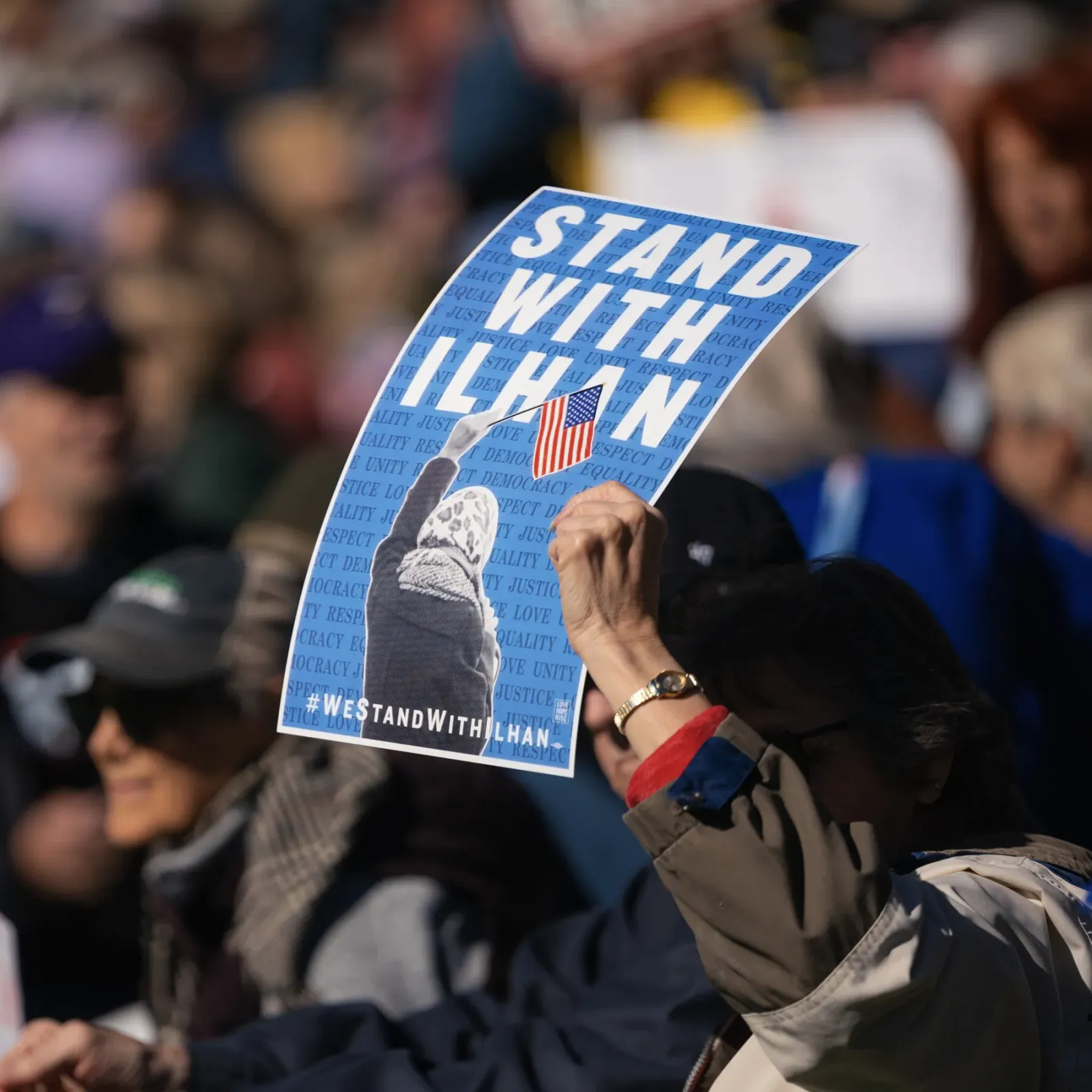
Obama Defends Ilhan Omar After Agents Search Her Home in Trump Inquiry
The former president's intervention raises the stakes in a federal probe into immigration paperwork that has put a prominent progressive lawmaker in the crosshairs.

Blair-era minister: cut welfare to fund youth job support
Alan Milburn's call for welfare cuts to fund employment support opens a Labour fight over benefits and the Neet crisis.

Hot September CPI: energy costs surge, voters feel the squeeze before midterms
The latest inflation print lands as Trump campaigns for GOP control of Congress, putting cost-of-living worries at the center of the midterm fight.