

Andy Burnham weighs a Manchester deputy PM while police arrest suspect in Ann Widdecombe case
The politics of power-sharing collides with a murder probe and fresh Cabinet auditions as leadership transitions ramp up.
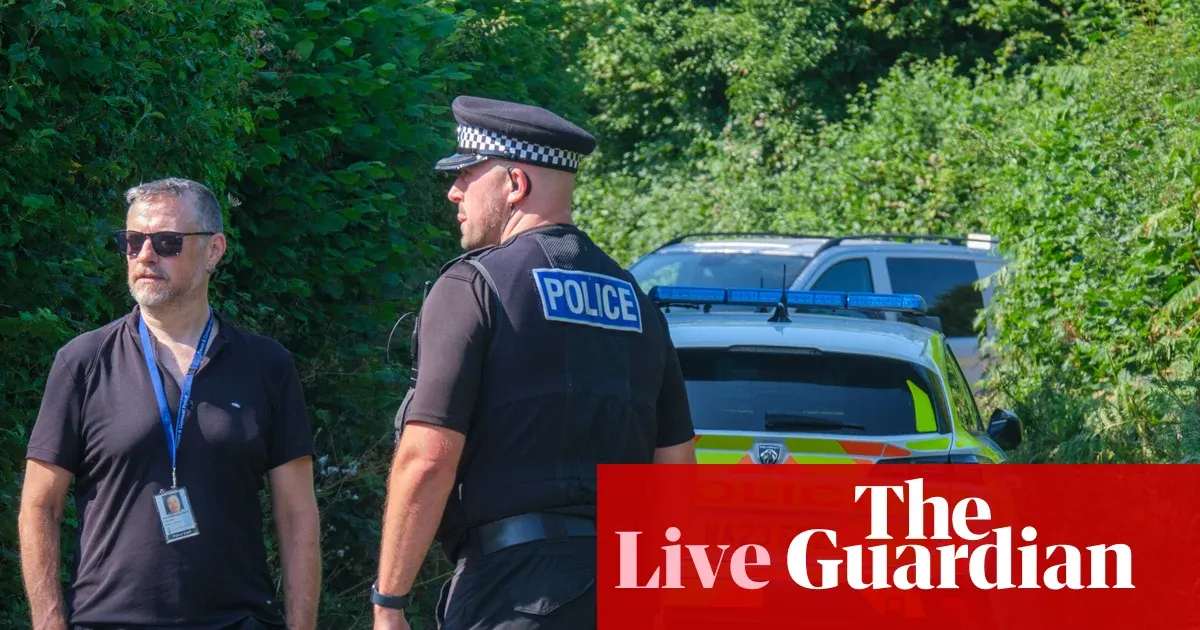
Andy Burnham, expected to become PM, is weighing a deputy PM role based in Manchester, with the Greater Manchester Combined Authority chief executive set to run the office. At the same time, police have arrested a 26-year-old man on suspicion of the murder of Ann Widdecombe, and officers say the incident is not being treated as terrorism.
Police have arrested a 26-year-old man on suspicion of the murder of Ann Widdecombe, and officers say the incident is not being treated as terrorism. That is the immediate headline hitting the UK political bloodstream this morning, but it is not the only disruption in view. Alongside that investigation sits a parallel kind of pressure, one that will define how Andy Burnham governs once he becomes PM, starting with a very real question: will power stay concentrated in London, or will it start decentralizing fast?
Because Burnham is reportedly considering a deputy PM positioned in Manchester to run “No 10 North.” The deputy Labour leader, Lucy Powell, is reportedly well placed for the role, and Burnham is expected to spend several days a month in Number 10 North. Caroline Simpson, chief executive of the Greater Manchester Combined Authority, is said to have been lined up to run the new office. The transition team has even raised the idea that the new unit could receive political direction from the next deputy prime minister, who would be based in Manchester. In other words, this is not just a photo opportunity outside Westminster. It is an attempt to restructure how decisions get made.
And that is where the strategic stakes get interesting. The source also reports that John Bew, a former No 10 foreign policy adviser, has told The Times that Burnham could face an international crisis within weeks of taking office. Bew said there is “a high likelihood of a series of quite challenging contingencies happening,” including a “horizontal or vertical escalation” from Putin over the course of this summer and beyond because the war in Ukraine is not going well for him. Even without endorsing the forecast, the logic is plain: new leadership, especially one that changes the center of gravity of power, can collide with fast-moving geopolitical events. If crisis hits quickly, you want decision-making loops you can trust, not ones you are still building.
So the questions Cabinet watchers should be asking are not merely administrative. They are about authority and continuity. The briefing notes that some ministers are lobbying Burnham to keep their jobs. Cabinet auditions continue across Westminster, and the Business Secretary Peter Kyle is described as being direct with the Guardian’s Richard Partington, saying “I want to stay, I’ll just stay where I am.” Kyle also declared Britain needs “Manchesterism.” Whether you read that as enthusiasm or survival, it signals how quickly Labour figures are learning the new map.
The map also includes pressure from outside the room. The source reports that David Miliband used his foreign policy speech last night to restate his support for electoral reform. He previously backed the Alternative Vote at the 2011 referendum, while still an MP, and he also backed a Burnham-style transfer of power out of Westminster, with the Arguably substack having the full script. That matters because electoral reform is not separate from the decentralization story. If you change how people vote and how power is distributed, you potentially change what politicians fear and what they prioritize. For decision-makers, it shifts the incentives: less time playing for London-centric headlines, more time building legitimacy in regions that feel like they are getting moved from “consulted” to “central.”
Meanwhile, the transition already appears to be moving on foreign affairs, at least in signaling terms. Just before Miliband spoke, Yvette Cooper revealed to Chatham House that she had spoken to Andy Burnham before heading to NATO. That suggests Burnham is not arriving in office empty-handed on foreign policy inputs, even if the source is careful not to describe details. It is also consistent with the Bew warning: if crises arrive early, you need expertise plugged in while your governance structure is still in formation.
There is also the gritty timeline of electoral mechanics. Potential candidates will have four days, from Tuesday 14 July to Friday 17 July at 4pm, to submit their nominations. Residents not already on the electoral register have until 28 July to apply to vote in time for the byelection, and until 5pm the following day, 29 July, to apply for a postal or postal proxy vote. That matters because decentralization and legitimacy are not only ideology. They are operational. Voting access, nomination windows, and turnout logistics can shape who gains a mandate and how quickly a new administration can claim it has public buy-in.
Put all of it together, and you get a clear picture of why this morning’s headlines are connected even when they look unrelated. A murder investigation not treated as terrorism grabs attention, but Burnham’s potential Manchester pivot is the real operating story for how power would function. If his deputy PM concept works, it could accelerate regional governance while giving London a different kind of bandwidth. If it does not, it risks confusion during the exact window when the source says an international crisis could materialize. For peers in similar leadership transitions, the takeaway is brutally practical: restructures are never neutral. They are stress tests, and geopolitics does not wait for org charts.
This story's Key Insights and Take-aways are locked.
Create a free account to unlock Executive Actions for one credit.
Register to UnlockAlways free for Executives Club members. Join the Club
More in Politics

Glacial collapse, not rain, killed 180 in Nepal's Himalayan flood
The Himalaya's extreme geography hid the true cause of Nepal's catastrophic flood, a glacial collapse that turned a geological battleground into a mass-casualty zone.

Iran’s Esmail Baghaei says Oman talks start shipping via Hormuz, not US talks yet
Temporary route plans with Oman aim to restart commerce while Tehran says Washington dialogue is not on the table.

Standards watchdog opens probe into Reform UK deputy leader Richard Tice over interests
The parliamentary standards commissioner says it began an investigation on 28 July into a possible undeclared interest.