
Ant’s Alipay turns into an AI-agent platform, launching “Ah Bao” trial
The payment giant is overhauling Alipay into autonomous AI assistants to fight for China’s next internet gateway.
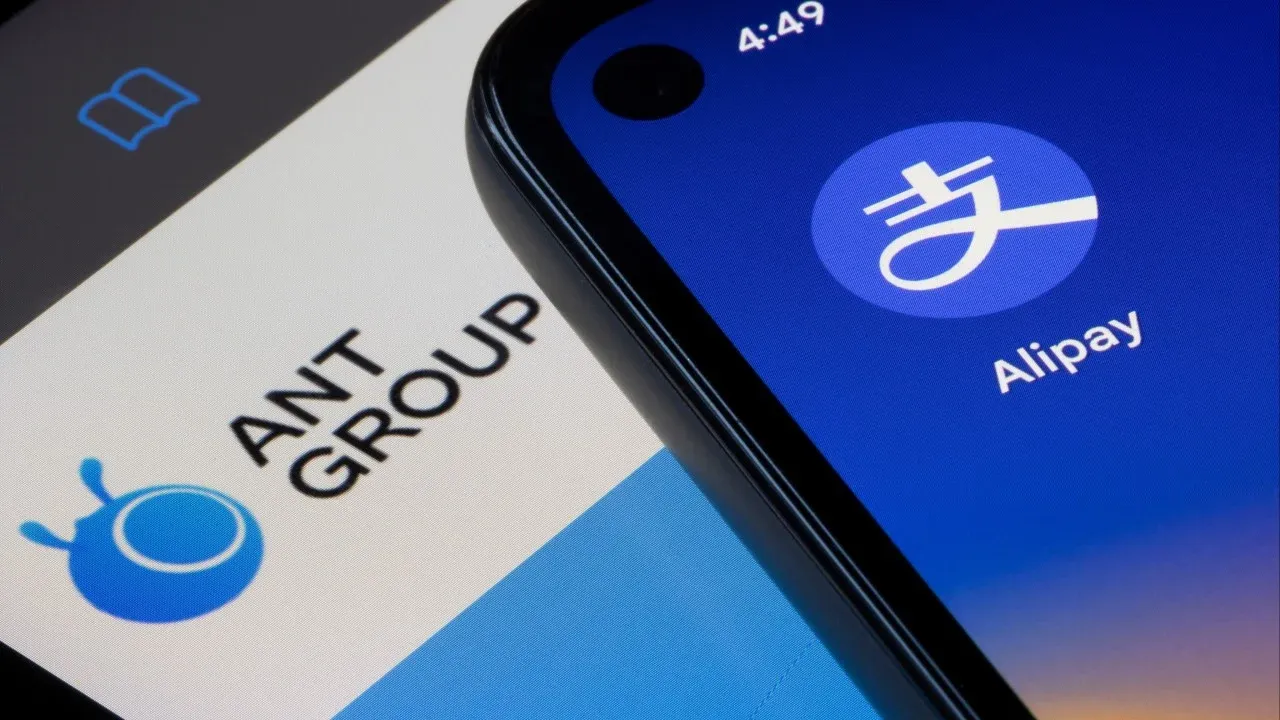
Ant Group has unveiled the biggest overhaul of Alipay in two decades, shifting the mobile payments app into a native AI platform with autonomous agents. The trial version features an interactive assistant called “Ah Bao,” signaling a strategic pivot from a digital wallet to an AI-driven ecosystem.
Ant Group is taking a sledgehammer to Alipay’s old identity, and it is doing it fast. In a move it describes as the biggest overhaul of the app in two decades, the company is transforming Alipay from a “digital wallet” into a native AI platform built around autonomous agents. The trial version of the flagship app now includes an interactive assistant named “Ah Bao,” giving users a new way to interact with the platform inside the familiar mobile interface.
The first clue you are not just getting a feature update is where “Ah Bao” appears. Users can access the new interface via a right swipe on the homepage, a small gesture that hides a big bet: Alipay wants to become a front door for everyday digital life, not merely a place where transactions happen. The overhaul is aimed at positioning Alipay to challenge big tech rivals as China pushes toward a “next-generation internet gateway,” where whoever controls the experience layer can shape what users do next.
To understand why this matters, zoom out from payments. Mobile payment apps are already deeply embedded in daily routines: they connect users to commerce, services, and identity-level workflows. But the internet gateway concept is about the interface for how people discover, decide, and act online. If Alipay can wrap payments plus services plus AI assistance into a single “assistant-driven” experience, it can capture more of the session. That is the strategic logic behind the autonomous agent framing. Instead of only responding to requests, an agent-based platform can potentially handle multi-step tasks across the ecosystem, making the platform feel less like an app and more like a coordinator.
Ant’s pivot also speaks to a competitive reality in China’s consumer tech landscape. Big tech rivals are racing to own the gateway layer of the internet, and AI assistants are becoming a primary way users navigate digital services. By turning Alipay into an AI platform, Ant is moving from being a payments utility to being an AI-native interface. This is not just about convenience. It is about defensibility. A wallet is a destination; an AI assistant can become a habit. Habits compound, especially when they are built into the user’s daily rhythm the way Alipay already is.
There is also a platform engineering and product-design subtext here. Alipay has to support more than payments if it wants an AI-driven ecosystem to feel natural. That implies new interaction flows, new back-end capabilities to let agents operate in context, and a shift in how the product guides users from intent to outcome. The “right swipe on the homepage” detail matters because it suggests the company is not hiding “Ah Bao” in some separate corner. It is integrating the assistant into the core navigation pattern, which is how you build usage quickly.
Regulatory context is part of the backdrop too, even if this specific announcement does not spell out rule changes. Ant Group operates in a heavily supervised financial environment, and China’s tech sector has seen a long period of scrutiny and restructuring. In that kind of environment, companies often need to demonstrate that new capabilities do not undermine existing controls. An AI-agent overhaul can raise questions around data handling, consumer protections, and how autonomy is constrained. Even so, the fact that Ant is rolling out a trial suggests it believes the upgrade can be deployed within acceptable boundaries while still creating meaningful product differentiation.
For executives at peers with large consumer platforms, the second-order implication is straightforward: the battlefield is shifting from “who has the feature” to “who owns the interface for action.” If Ant’s “Ah Bao” trial converts users to an agent-first behavior pattern, it could reduce the openness of the ecosystem. Users may ask the assistant to handle everything from discovery to completion, which changes where competitors get attention and where services get integrated. Board-level questions will likely follow: how much of the business becomes AI-led versus payments-led, what new risks come with autonomous behavior, and how the company ensures quality, reliability, and compliance as agents become more central.
In short, Ant’s Alipay overhaul is not subtle. It is a two-decade product identity change wrapped into a trial version and a daily-use gesture. By making “Ah Bao” a native assistant accessible right from the homepage, Ant is signaling that it wants to be part of China’s next internet gateway, not just a tool within it. The prize is enormous: owning the layer where users spend attention and execute decisions.
This story's Key Insights and Take-aways are locked.
Create a free account to unlock Executive Actions for one credit.
Register to UnlockAlways free for Executives Club members. Join the Club
More in Technology

Nvidia's $89B data center quarter: the 9 companies cashing in
The AI buildout is minting fortunes beyond GPUs, and memory, cloud, and cooling suppliers are riding the same wave.
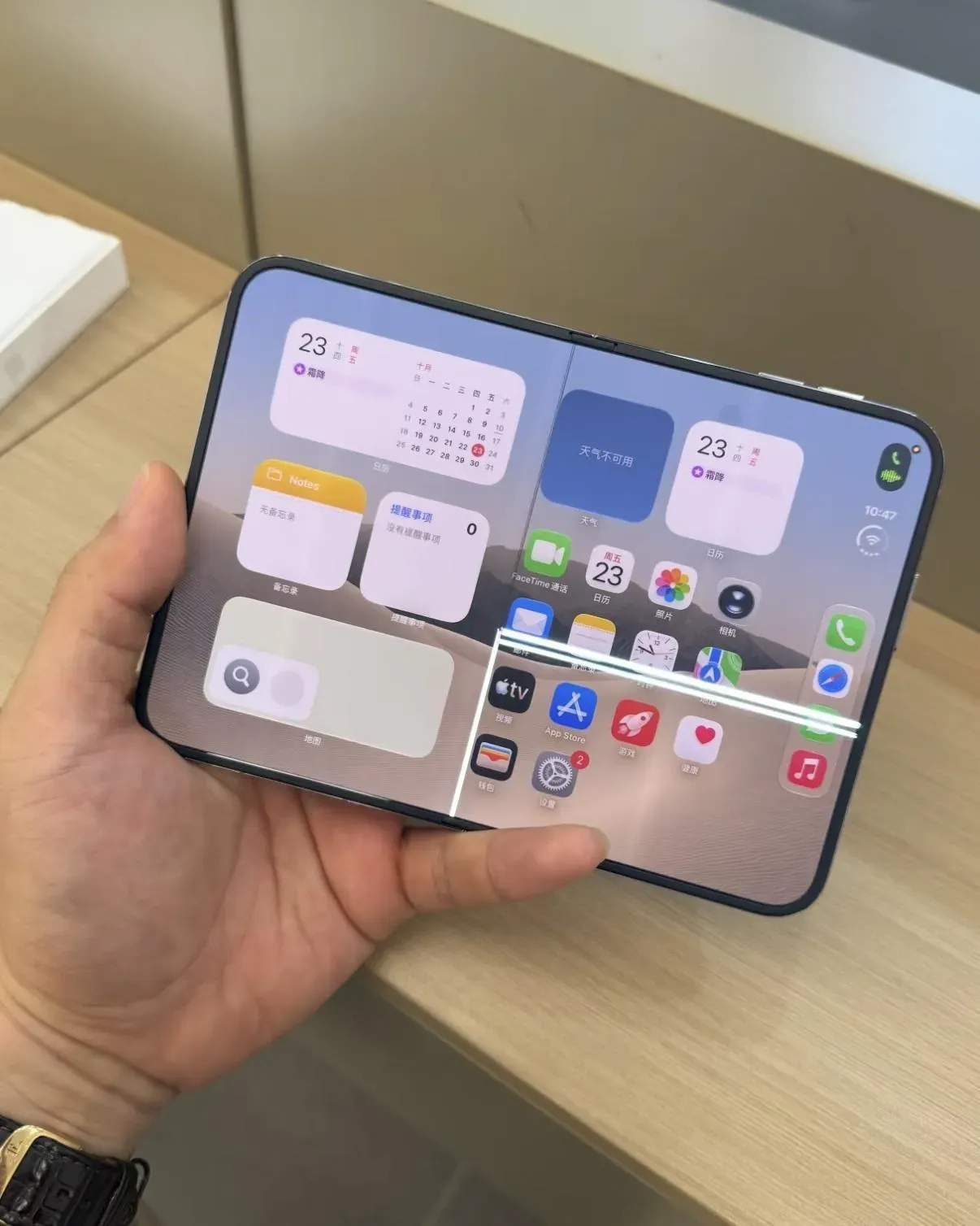
A YouTuber dissected the iPhone Duo and thinks he found crackgate's cause
CuriousHagi's teardown of Apple's foldable reveals a gear-like hinge that may explain why screens crack in the same spot within hours.

Google quietly links your phone number to every Android account on your SIM
Adding a SIM now ties your phone number to all Google accounts - and future accounts inherit it. Here's the security and privacy stakes.