
Antarctica's winter ice fails to form as temperatures run 45F above normal
West Antarctica is experiencing extreme winter warmth that blocks ice formation, with spillover risks for climate, shipping, and insurance.
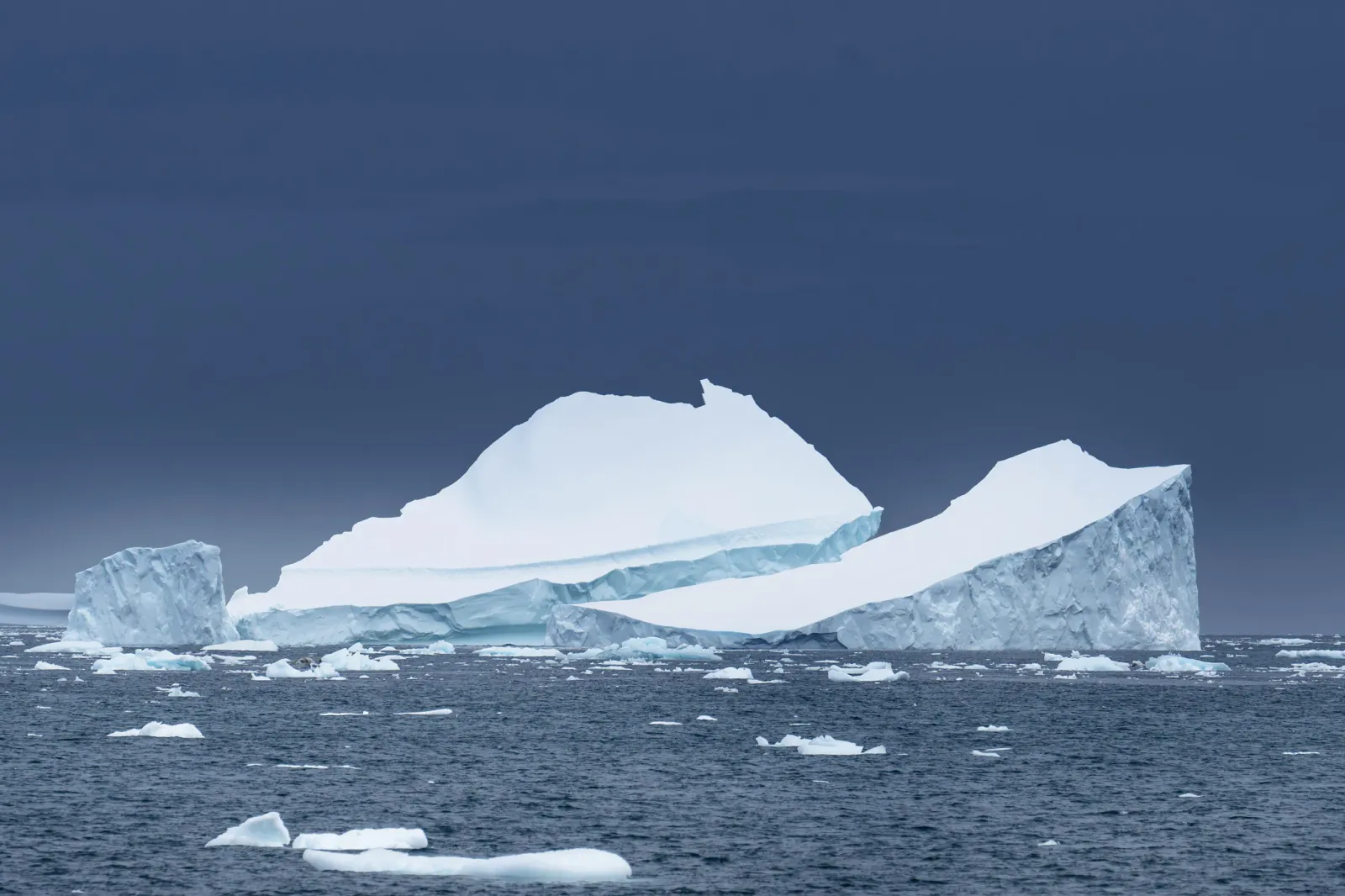
West Antarctica is facing winter conditions where temperatures have climbed up to 45 degrees Fahrenheit above normal, preventing ice from forming. For decision-makers, that disruption signals accelerating risk to coastal planning, infrastructure budgets, and the cost of risk across global supply chains.
Temperatures in West Antarctica have climbed up to 45 degrees Fahrenheit above normal, and the immediate consequence is brutally simple: ice is not forming in the dead of Antarctic winter. In other words, the seasonal “freeze-up” that ecosystems, glaciers, and downstream systems rely on is being interrupted during the time it is supposed to be strongest.
That matters because Antarctica is not a passive backdrop. It is a major component of the global climate system, and ice formation and ice stability are deeply linked to how much ice is stored, how it moves, and how quickly it can melt. When winter warmth reaches that level, stopping ice from forming when temperatures are supposed to support growth is a clear sign that the baseline conditions are shifting, even in a season often thought of as a hard reset.
To understand why this turns into board-level risk, look at incentives. Governments and operators do not budget for “someday” climate change. They budget for tides, storms, ice conditions, and the reliability of critical infrastructure. Even when the underlying science is complex, the operational reality is straightforward: if ice formation patterns break, then the downstream assumptions that keep ports, coastal defenses, and maritime routes running smoothly can break too.
There is also a regulatory and finance angle, even when the headline is about weather. Climate risk is increasingly framed in policies and disclosures, pushing entities to show how they account for physical risks like extreme precipitation, storm surge, and changes in cryosphere behavior. When a credible climate outlet reports that West Antarctica is experiencing winter warmth up to 45 degrees Fahrenheit above normal, it gives boards another data point that risk models cannot treat as noise. Models that assume past variability will be tested when the baseline drifts.
This is the second-order problem executives live with: one abnormal event is inconvenient, but repeated or sustained departures from expected seasonal patterns are what force recalculations. Winter is supposed to be the period when conditions favor recovery and stability. If that window is compromised, then the “buffer” that systems get from seasonality gets thinner. Over time, thinner buffers translate into higher volatility. Higher volatility translates into higher uncertainty. And higher uncertainty tends to show up as higher costs, whether that is in insurance pricing, capital expenditure for adaptation, or tightened risk appetite.
There is a broader global connectivity here as well. Antarctica’s ice dynamics ultimately connect to sea-level outcomes, which influences coastal cities, real estate values, and the long-tail liabilities that show up years later. Shipping and logistics are also affected by changing ocean conditions, and infrastructure that was built for certain historical norms can face stress. Even if the immediate story is “ice not forming,” the investor-grade question is: what happens when the climate system stops behaving like the one your underwriting spreadsheets were built on?
For peers managing large portfolios or operating in coastal and industrial supply chains, the strategic stakes are clear. The headline is a warning signal about physical risk showing up in an area of the world that should provide seasonal stability. When temperatures climb up to 45 degrees Fahrenheit above normal in the dead of Antarctic winter, it is not just a headline about far-away ice. It is a reminder that climate systems can shift quickly enough to force faster planning cycles, tighter risk controls, and more urgent capital allocation decisions. If you lead a business exposed to coastal impacts, insurance costs, or long-horizon infrastructure, you do not get to wait for perfect certainty. The winter already ran warm.
This story's Key Insights and Take-aways are locked.
Create a free account to unlock Executive Actions for one credit.
Register to UnlockAlways free for Executives Club members. Join the Club
More in Technology

Nvidia's $89B data center quarter: the 9 companies cashing in
The AI buildout is minting fortunes beyond GPUs, and memory, cloud, and cooling suppliers are riding the same wave.

A YouTuber dissected the iPhone Duo and thinks he found crackgate's cause
CuriousHagi's teardown of Apple's foldable reveals a gear-like hinge that may explain why screens crack in the same spot within hours.

Google quietly links your phone number to every Android account on your SIM
Adding a SIM now ties your phone number to all Google accounts - and future accounts inherit it. Here's the security and privacy stakes.