
Snap’s parent company launches $2,195 smart glasses, shipping this autumn
After earlier AR flops, the company is trying again with premium-priced hardware that could reset how investors judge AR bets.

Snap's parent company has unveiled smart augmented reality glasses priced at $2,195, with delivery expected in autumn. For decision-makers, this is a real test of whether AR hardware can move from prototypes to a scalable product story.
Snap's parent company just unveiled $2,195 smart glasses aimed at delivering augmented reality experiences, and the company expects them to ship in autumn. This matters because AR hardware has not exactly enjoyed a smooth ride in the consumer market, and the price tag tells you the company is not asking for casual curiosity. It is asking for commitment.
The BBC's report frames these glasses as a follow-up to previous flops, which is where the stakes get sharper. When a company has already stumbled publicly, “next iteration” is not a neutral phrase. It becomes a credibility test for leadership, product teams, and anyone responsible for tying ambitious technology roadmaps to real-world adoption.
To understand why the timing and pricing are so consequential, you have to look at how AR glasses differ from many software-first product launches. Hardware requires supply chains, manufacturing yield, component sourcing, distribution partnerships, and user support at a level that pure apps usually do not. It also needs developers and content ecosystems to make the device feel useful on day one, otherwise customers treat it like an expensive gadget rather than a platform. That is why the shift from “unveiled” to “expected to ship in autumn” is the real milestone. It signals that the project is past the excitement phase and into execution, where delays and cost overruns can quickly become financial and reputational problems.
There is also a capital-market angle. Investors and boards typically tolerate experimentation, but they demand evidence of traction. With a $2,195 price point, the company is implicitly targeting early adopters who will accept paying upfront for a future experience. That can help validate demand and support unit economics later, but it also increases the scrutiny. If sales underwhelm, the feedback loop to leadership can be fast because the company is already treating this as a serious attempt.
Regulatory framing is another quiet driver behind AR wearable timelines. While the BBC story does not mention specific regulatory actions, smart glasses sit in the same category as other consumer devices that involve cameras, sensors, and potentially recording. That creates a heightened need for compliance planning around privacy, data handling, and consumer safety. In practice, even when regulations are not the headline, they can influence design choices and go-to-market sequencing. For a board, that means “autumn shipping” is not just a calendar promise. It is a window that must survive legal reviews, safety expectations, and policy realities.
The history of “previous flops” also matters for how competitors respond. When one major player re-approaches a category after setbacks, it can shift market expectations, pull developer attention, and give other teams cover to keep investing, even if they are still cautious. In AR, momentum is not only about technology. It is about narratives: whether the industry believes devices will improve quickly enough, and whether use cases will be compelling beyond novelty. A new product at $2,195 tries to answer both questions, but the world will decide soon enough once shipping actually lands.
For decision-makers at other consumer tech companies, the second-order lesson is about sequencing. Hardware reveals what the roadmap truly means, because the market can check your work with its wallet. It also tests internal discipline: if prior AR attempts failed, what did leadership change this time around, whether it is product design, developer support, or the channel strategy? The BBC report does not provide those details, but it does provide the critical marker. This is not just a concept anymore; it is a priced product expected to ship in autumn.
In short, Snap's parent company is betting that a fresh attempt with smart glasses priced at $2,195 can convert AR ambition into something you can actually buy and use, with autumn delivery as the forcing function. For boards, investors, and operators watching the space, this is a reminder that AR hardware success will be measured in shipments, ecosystems, and the hard math of adoption, not in press releases. The category gets one more reset, and the numbers will start telling the truth soon.
This story's Key Insights and Take-aways are locked.
Create a free account to unlock Executive Actions for one credit.
Register to UnlockAlways free for Executives Club members. Join the Club
More in Technology

Nvidia's $89B data center quarter: the 9 companies cashing in
The AI buildout is minting fortunes beyond GPUs, and memory, cloud, and cooling suppliers are riding the same wave.
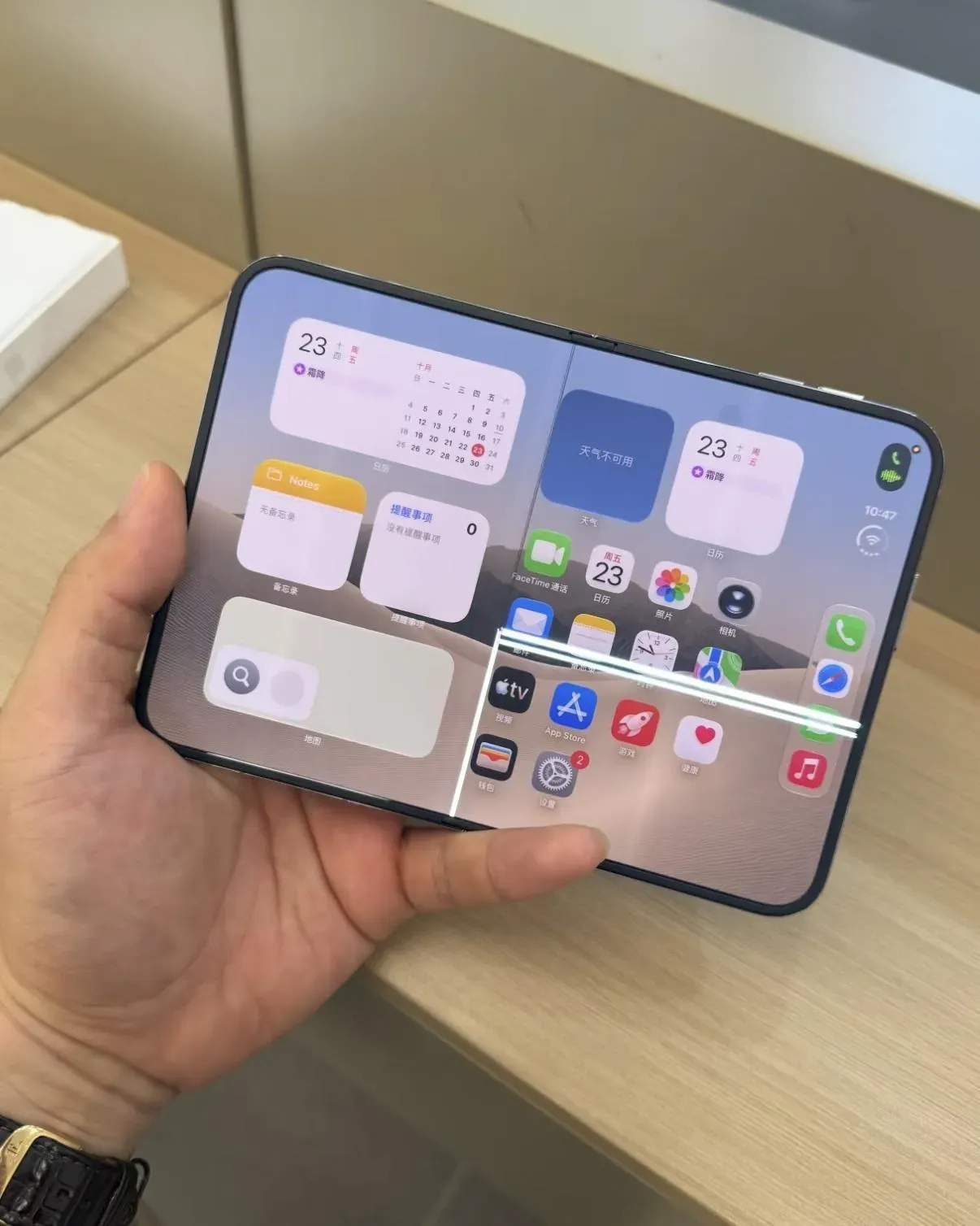
A YouTuber dissected the iPhone Duo and thinks he found crackgate's cause
CuriousHagi's teardown of Apple's foldable reveals a gear-like hinge that may explain why screens crack in the same spot within hours.

Google quietly links your phone number to every Android account on your SIM
Adding a SIM now ties your phone number to all Google accounts - and future accounts inherit it. Here's the security and privacy stakes.