

Anthony Hopkins signs Decca Classics deal for original compositions album 'Life Is a Dream'
The Oscar winner inks a record agreement with Decca Classics, conducted by Gustavo Dudamel, for a new album of originals.
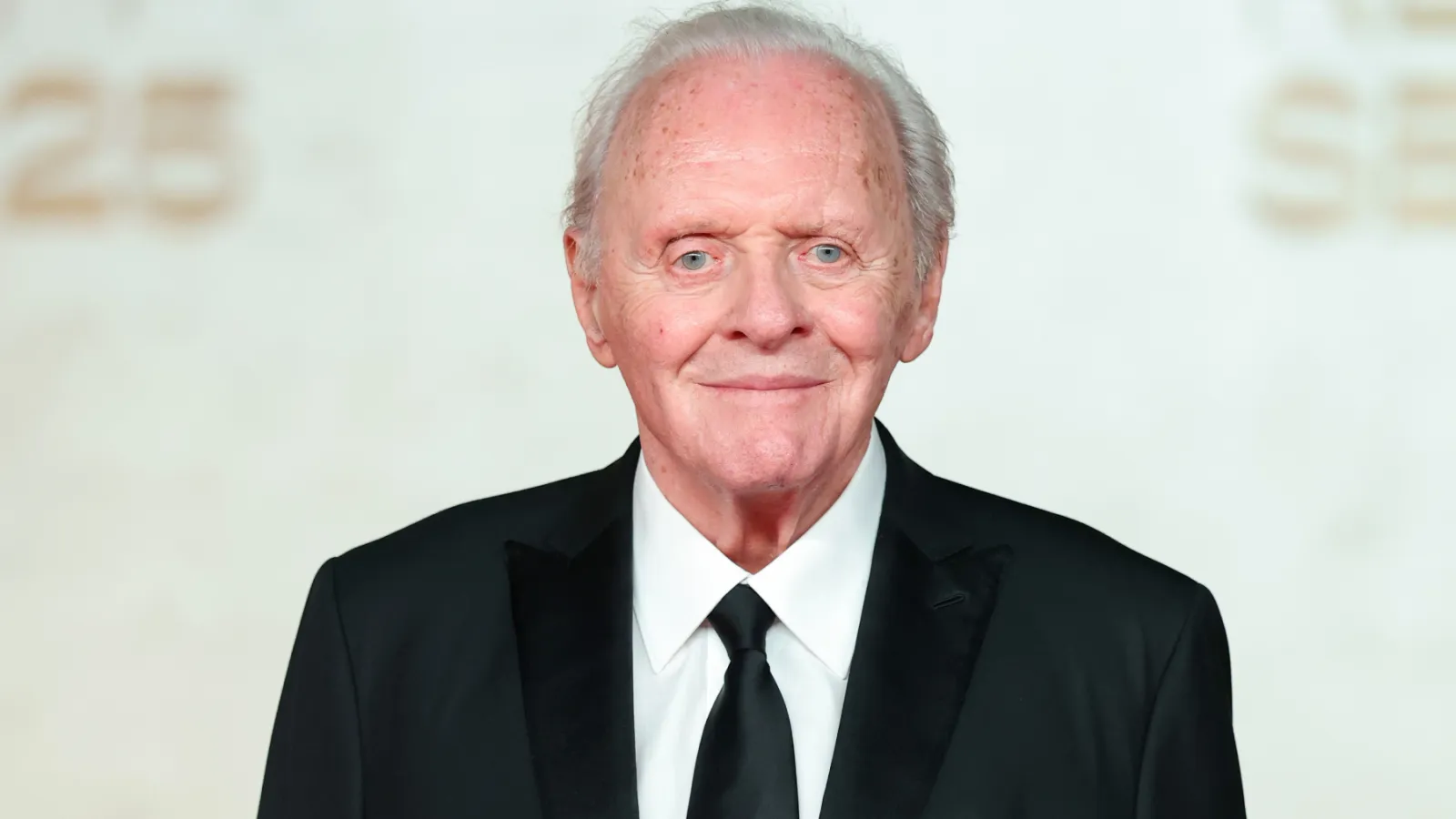
Anthony Hopkins has signed a record deal with Decca Classics for Life Is a Dream. Decision-makers in media and arts should watch how A-list talent, classical labels, and marquee conductors are packaged into sellable “event” releases.
Anthony Hopkins, the Oscar-winning actor, signed a record deal with Decca Classics for Life Is a Dream. The album, described as one of original compositions, is conducted by Gustavo Dudamel.
That single sentence matters more than it sounds. In the music business, especially for classical releases, distribution, audience attention, and credibility often depend on how effectively you combine three ingredients: star power, institutional gatekeepers, and production prestige. Here, Hopkins brings broad mainstream recognition, Decca Classics brings the classical infrastructure and brand, and Dudamel adds a conductor name that signals quality and gives the project an instantly legible “serious music” stamp.
For executives, the interesting part is the deal structure behind the announcement, even though the source excerpt is brief. Record deals with major classical labels are typically designed to minimize risk for the label while maximizing cultural reach. A-list talent can help classical music cross beyond its traditional core audience, because recognizable names travel well across marketing channels. At the same time, a classical label like Decca is not just buying exposure. It is buying access to a credibility network: programming norms, touring ecosystems, and an audience that expects the release to meet certain artistic standards.
Gustavo Dudamel’s involvement is not a throwaway detail. Conductors in classical recording are like producers in other genres, shaping not only interpretation but also the perceived seriousness of a project. When Dudamel conducts Life Is a Dream, the market reads it as more than “celebrity music.” It reads as a curated production with heavyweight leadership, which can reduce friction for media partners, venues, reviewers, and program directors who might otherwise hesitate when the project’s headline is an actor rather than a career composer.
There is also an incentive alignment question. Hopkins is stepping deeper into music creation, which is inherently a brand extension, but also a way to diversify creative identity. Decca Classics, meanwhile, can use a high-recognition figure to strengthen conversion from awareness to purchase or streaming. Classical labels live and die by attention economics, and those economies have become sharper as streaming shifted the battlefield. In this environment, “event” releases that can anchor press cycles and cross-audience curiosity are valuable.
Regulatory and platform dynamics, while not mentioned in the source, are part of why these deals are worth monitoring. Music rights and distribution operate through a complicated web: composition rights, recording rights, performance royalties, and licensing for digital services. When a project involves a known public figure, it also increases the visibility of rights management and the scrutiny around metadata, ownership, and proper crediting. Even if the public announcement focuses on the artistic outcome, operationally these agreements force the label and their partners to be extremely precise, because small errors in credit or rights allocation can create downstream disputes and monetization delays.
For boards, investors, and media executives, the second-order implication is packaging. This is how mainstream talent can be integrated into a classical offering without turning it into novelty. Hopkins is not simply “appearing” as a guest; he is signing a deal for an album of original compositions. Decca Classics is conducting the project under its classical umbrella. Dudamel provides the interpretive authority that classical audiences and critics look for. That combination is a template that could influence how other legacy acts and studios approach cross-genre releases: do not dilute legitimacy, add accessibility.
Peers in similar roles should treat the move as a reminder that the classical recording market still responds to celebrity, but it responds best when celebrity is paired with proven classical infrastructure. If you lead a label, a production company, or a media brand, the lesson is straightforward: star power gets attention; credibility gets retention. This Hopkins-Decca-Dudamel triangle is built to win both.
This story's Key Insights and Take-aways are locked.
Create a free account to unlock Executive Actions for one credit.
Register to UnlockAlways free for Executives Club members. Join the Club
More in Entertainment

12TB Steam 'teraleak' goes beyond Valve: GTA 3, Mafia 2 prototypes exposed
A 12-terabyte dump of Steam data reveals prototypes and builds of third-party classics like GTA 3 and Mafia 2, plus unreleased Valve content, rewriting game history.

LinkedIn's romance problem: 1 in 4 workers say dating on it is fair game
A new survey shows a quarter of U.S. employees treat the professional network as fair game for romance, even as LinkedIn bans it and removes hundreds of thousands of offending posts.

Enhypen's first No. 1 album breaks K-pop's Billboard 200 streak
The K-pop group's 98,000-unit debut tops the chart while Dolly Parton's catalog reentry shows how death reshapes streaming.