

Old Henry flips Netflix’s domestic chart: 10/10 Western beats Enola Holmes 3 and Cavill
A $1.5M theatrical long-shot now leads Netflix at home, turning genre taste into a streaming business signal for everyone.
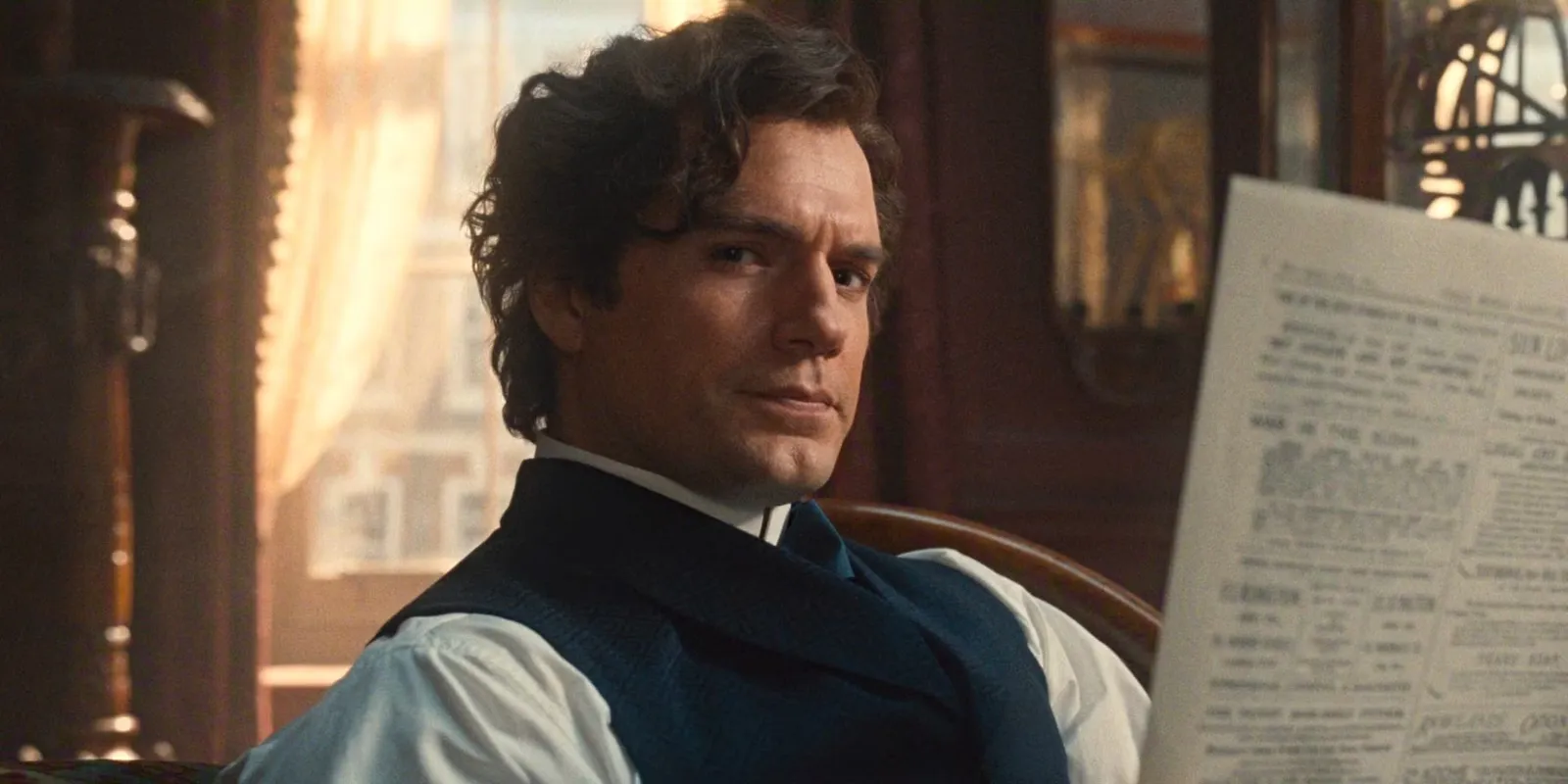
Old Henry, a Western produced on a reported $1.5 million budget, has taken the domestic Netflix viewership crown, overtaking Enola Holmes 3. The shift matters because it shows how low-budget theatrical underperformers can win streaming runs by riding a refreshed audience appetite for the genre.
Old Henry is taking the domestic Netflix viewership crown, knocking Henry Cavill’s Enola Holmes 3 off the top spot. And it is not doing it with superhero scale or franchise gravity. It is doing it as a small-budget Western that, according to the report, was produced on a reported $1.5 million budget and originally released theatrically five years ago.
That is the plot twist. In theaters, Old Henry got excellent reviews but did not make much of an impression at the box office. On paper, that looks like the kind of title that fades into streaming irrelevance. Instead, the movie has kept momentum on the PVOD market in the years since, and now it is carrying that momentum into its Netflix run. The report also frames Old Henry as one of the top-rated Westerns of the decade, which helps explain why the audience did not just sample it, but stuck with it long enough to push it to the top domestically.
To understand why this matters beyond one chart, zoom out to what streaming numbers actually represent. Domestic viewership charts on Netflix are not just a leaderboard. They are a signal that audiences are responding right now, and that the platform is willing to put marketing weight behind what is winning attention in a crowded content market. That means a title like Old Henry can punch above its earlier box office weight, because streaming discovery and watch behavior can overpower the original theatrical outcome.
This is where genre momentum becomes the hidden variable. The report ties Old Henry’s performance to audience interest in the Western genre, specifically crediting Taylor Sheridan’s culture-defining shows on Paramount+. Sheridan’s projects have effectively re-taught mainstream viewers how to want Western stories again, and that kind of demand tends to spill over. When a genre gets reintroduced at a higher cultural temperature, even movies that were overlooked in theaters can benefit during later distribution windows.
From an incentives standpoint, the industry has been living with a mismatch for years. Theatrical performance often decides how quickly a studio or distributor moves on, while streaming performance is more about longevity, tone match, and audience fit over time. Old Henry’s arc highlights that mismatch: great reviews and a weak box office do not automatically predict future streaming success. If viewers are primed by related high-profile programming, a smaller film can become a “time-delayed winner,” converting interest into watches long after the original release cycle.
There is also a capital allocation lesson buried in the numbers. A reported $1.5 million production budget is a world away from typical streaming tentpoles, and yet it is currently winning against a franchise-adjacent film headlined by one of today’s biggest stars. For decision-makers, that underperformance-to-streaming-rise path is exactly the kind of risk pattern worth studying: the market can be wrong on arrival, then correct itself later when distribution channels and audience tastes align.
Regulatory framing matters in a different way, even when the story is entertainment-focused. In the US, the shift from theatrical to PVOD and then to streaming is part of how companies navigate content monetization across release windows, which is also influenced by consumer protection rules around advertising and disclosures, platform transparency requirements, and general compliance expectations for media delivery. The report’s mention of PVOD momentum matters because it suggests the film found a monetization runway before it hit Netflix, making its eventual streaming rise less like a miracle and more like a multi-stage accumulation of audience demand.
Second-order implications for boards and executives are clear. If Old Henry can rise domestically on Netflix despite a modest production footprint and a tepid box office, then content strategy cannot rely too heavily on theatrical signals alone. It also suggests platforms and investors should pay attention to which genres are being actively re-energized by current TV hits, because that “taste pipeline” can turn past releases into present performers. The strategic stake is simple: the next title that wins your market may not be the one that looked strongest on opening weekend, it may be the one that finally meets the right audience at the right time.
This story's Key Insights and Take-aways are locked.
Create a free account to unlock Executive Actions for one credit.
Register to UnlockAlways free for Executives Club members. Join the Club
More in Entertainment

12TB Steam 'teraleak' goes beyond Valve: GTA 3, Mafia 2 prototypes exposed
A 12-terabyte dump of Steam data reveals prototypes and builds of third-party classics like GTA 3 and Mafia 2, plus unreleased Valve content, rewriting game history.

LinkedIn's romance problem: 1 in 4 workers say dating on it is fair game
A new survey shows a quarter of U.S. employees treat the professional network as fair game for romance, even as LinkedIn bans it and removes hundreds of thousands of offending posts.

Enhypen's first No. 1 album breaks K-pop's Billboard 200 streak
The K-pop group's 98,000-unit debut tops the chart while Dolly Parton's catalog reentry shows how death reshapes streaming.