

Steam Support fixed Red Flag's broken build hours before Next Fest started
A demo that could not even launch got patched by Valve staff, saving the indie team's June deadline.
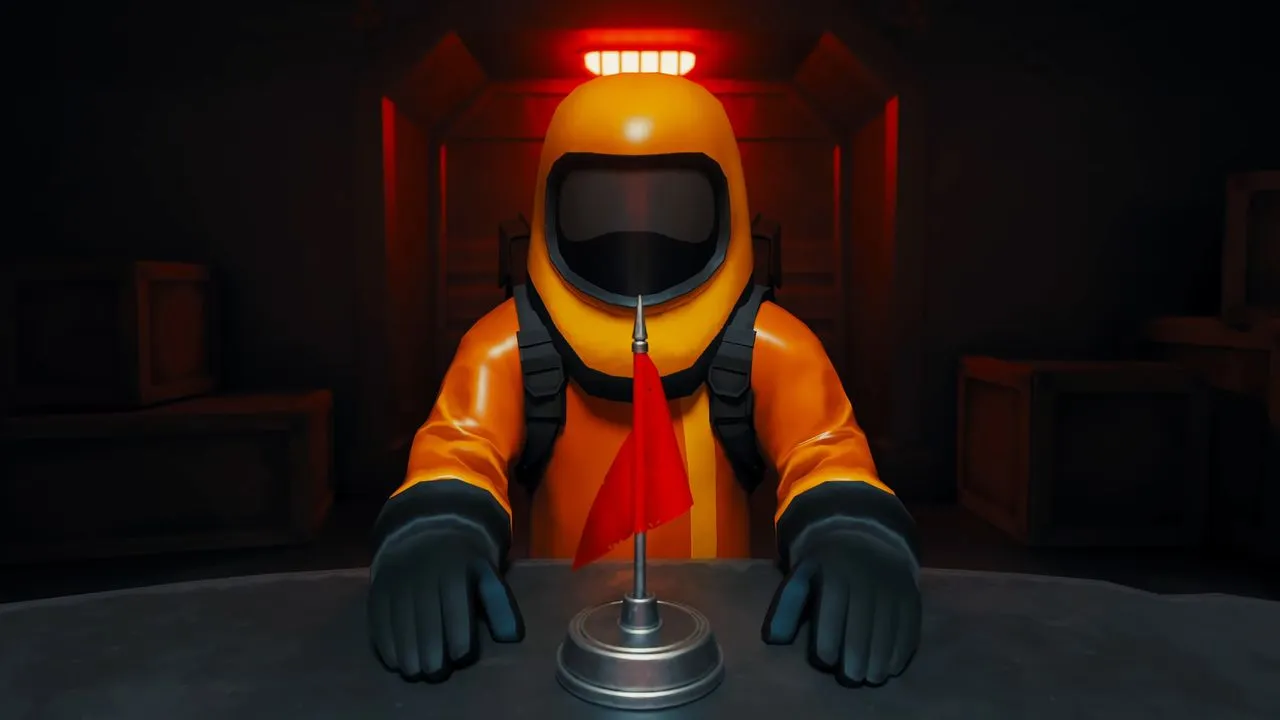
The developer behind Red Flag says Steam Support handled urgent review for a broken build submitted for June Next Fest. Steam also edited the game's configuration and sorted dependencies so the demo could be approved and shown to players.
If you are building a game, nothing is scarier than a deadline you cannot miss. One indie team just watched its Next Fest plan hinge on whether a Windows build could launch at all. In a Reddit post last week, the creators of Red Flag, a social deduction game about convincing friends they are fit to survive an apocalypse in a bunker with limited resources, explained that they submitted an unbootable build to Steam on the day of the deadline to get into June's Next Fest.
They thought they were cutting it close because Steam's review and approval process typically takes five to seven days. But it was the weekend, so they could not rely on Partner Support, which the developer says does not work weekends. The team then emailed regular Steam Support “desperate[ly],” “honestly just screaming into the void.” Steam replied that the build had been sent for urgent review, and a few hours later the Red Flag demo build was approved. Then came the critical twist: the reviewer noted they still could not launch the game.
That is where the story stops being “developer error” and turns into “platform reliability under pressure.” The team says the failure came from a C++ redistributable setup mistake. Specifically, they “forgot to use the Steam common redist system,” and instead shipped local DLLs. In most marketplaces, a broken submission means a hard stop. Back-and-forth takes time. Time is the only currency when you are trying to make a recurring event with a fixed start date.
Steam Support, according to the developer, did not just approve and move on. The reviewer fixed the issue themselves. The developer writes that Steam Support “actually edited our configuration, sorted the dependencies, and approved the build so we wouldn't miss the fest.” In plain English, Valve did the kind of troubleshooting that usually belongs to the person who built the package. And instead of rejecting the demo and forcing a resubmission cycle that likely would have missed Next Fest, the build got pushed through.
Why this matters is not just feel-good customer service. Events like Steam Next Fest can change a game's trajectory because they concentrate player attention into a short window. In the developer's telling, the consequence was immediate: after passing the first day of Next Fest, wishlists “nearly doubled,” and the team was “actually meeting players in our own lobby.” That combination is the whole funnel in miniature. You get traffic. You convert it. You show up in community spaces where players decide whether a game earns attention after the event ends.
The post also frames this as a pattern, not a one-off miracle. The developer notes that commenters described similar experiences, including someone saying Valve did “this for me on my first upload.” Another commenter reacted by calling it “very cool.” The key second-order implication for operators is that these “few clicks” on Valve's side, as the developer suggests, may represent a standardized internal capability. Even if it is not guaranteed, it looks like Steam has a workflow for urgent dependency and configuration issues that are blocking launch.
There is also an incentive angle. Steam is not just shipping software, it is curating an ecosystem where launches must work, especially during major promotional periods. A broken demo during a platform event is not just an inconvenience for the developer. It is a broken promise to players and a brand hit for the storefront experience. From a governance perspective, Steam's internal support process acts like a quality control layer for submissions that fail basic readiness checks.
For founders and executives, the strategic stake is practical: if your go-to-market moment is tied to a platform deadline, your technical packaging is part of your distribution plan, not a separate workstream. Your build pipeline needs to be treated like compliance. Not in the legal sense, but in the “will it launch correctly on the platform's dependency model” sense. The Red Flag team’s error was about redistributables and where DLLs come from. That might sound narrow, but it determines whether the reviewer can run your demo in the first place.
So what should peers take from this? The story says Steam can intervene when a submission would otherwise fail and cause you to miss Next Fest. That is encouraging, but it should not be budgeted like a guaranteed rescue. The better takeaway is operational: build checklists around the Steam common redist system, dependency packaging, and launch verification before you ever hit the deadline. When distribution windows are the difference between “heard about” and “remembered,” avoiding an unbootable demo is the highest-leverage task on your critical path.
This story's Key Insights and Take-aways are locked.
Create a free account to unlock Executive Actions for one credit.
Register to UnlockAlways free for Executives Club members. Join the Club
More in Entertainment

12TB Steam 'teraleak' goes beyond Valve: GTA 3, Mafia 2 prototypes exposed
A 12-terabyte dump of Steam data reveals prototypes and builds of third-party classics like GTA 3 and Mafia 2, plus unreleased Valve content, rewriting game history.

LinkedIn's romance problem: 1 in 4 workers say dating on it is fair game
A new survey shows a quarter of U.S. employees treat the professional network as fair game for romance, even as LinkedIn bans it and removes hundreds of thousands of offending posts.

Enhypen's first No. 1 album breaks K-pop's Billboard 200 streak
The K-pop group's 98,000-unit debut tops the chart while Dolly Parton's catalog reentry shows how death reshapes streaming.