
Anthropic launches $150M Claude Corps: 1,000 fellows paid to push AI into 400 nonprofits
A big funding splash tries to translate Claude adoption into real nonprofit workflows, while CEO Dario Amodei pushes policy intervention.

Anthropic is launching Claude Corps, a $150 million program that will pay 1,000 Claude Corps Fellows $85,000 plus benefits and a token budget for one year. The effort aims to help 400 nonprofits use generative AI, while CEO Dario Amodei and Anthropic frame AI labor disruption as a policy problem.
Anthropic is putting serious money behind AI adoption, and it is doing it through nonprofits. The company announced Claude Corps, a $150 million program that will pay 1,000 Claude Corps Fellows $85,000 (plus benefits and a token budget) for one year to help advance the missions of nonprofit organizations using generative AI.
In practice, that means Anthropic wants AI to move from demos to operations, starting with “intensive training on using Claude in non-profit settings,” followed by five hours of additional training each week. Fellows then coach their host organizations on AI workflows for the rest of the year, with 400 nonprofits expected to host fellows over the next 12 months, including Braven, Code the Dream, and Heartland Forward.
This is not a “social good” garnish. It is a go-to-market mechanism with payroll attached. Anthropic is funding and steering the program, while CodePath is set to implement it and serve as the employer of record for fellows. CodePath mentor support and office hours from Anthropic are part of the deal, which matters because the Register notes fellows may be useful for reactivating Claude accounts that have been suspended after triggering Claude’s overly sensitive safety guardrails. Translation: the adoption pipeline includes both skills building and operational friction removal.
At the same time, the announcement lands in a labor market where AI is already reshaping hiring. The Register points to TrueUp, noting that the tech sector this year has averaged 935 layoffs per day, up from 674 per day in 2025. So Anthropic is betting that instead of only talking about job disruption, it can fund a conversion of human labor into AI-enabled nonprofit work. CEO Dario Amodei is also thinking about the policy side. The company says Claude Corps debuts alongside its policy framework for dealing with AI’s impact on work.
That framework is titled “Policy on the AI Exponential,” the same title Amodei used for his post. The pitch is that “AI is advancing at exponential speed,” but the Register highlights that the document cites no evidence of exponential capability gains and offers no time frame, which is a necessary variable to calculate periodic gains. The piece also points to AI model benchmark metrics, arguing that recent improvement has been incremental, describing the rate of advancement as “too timid to turn heads in the attention economy.” Using data from Stanford HAI’s 2026 AI Index report, it gives an example: performance on the SWE-bench Verified benchmark rising from 60 percent to nearly 100 percent of the human baseline in a single year is presented as impressive, but not as evidence of broad “exponential” progress across AI.
Why does this matter beyond the usual “AI will change jobs” discourse? Because Anthropic is explicitly calling for company-endorsed regulatory intervention, according to the Register. That is the key tension: the firm is simultaneously trying to scale real-world adoption (Claude Corps Fellows in nonprofits, trained and deployed) and urging regulators to step in, based on a claim about exponential progress that the Register says is not supported with evidence or a time frame. For decision-makers watching from other AI companies, this is a blueprint for how model makers may pair labor optics with policy leverage.
There are also operational and distribution implications inside the Claude Corps design. The fellows are expected to use their remaining time coaching their nonprofits on the ins and outs of AI workflows. That turns each nonprofit into a mini deployment site, not just a beneficiary. And because host organizations will receive “valuable tools and systems,” Anthropic is attempting to build an adoption stack that can persist after the one-year fellowship ends. The program’s endpoint, as Anthropic puts it, is to create “a foundation for something much larger: a model for widening AI’s benefits during a period of vast economic change.”
But executives should also note the headline-adjacent risk embedded in the process: the Register mentions Claude account suspensions triggered by “overly sensitive safety guardrails.” If adoption requires repeatedly navigating safety friction, then “retraining and coaching” becomes as much about governance and workflow design as it is about prompts. The second-order effect is that safety policy and product usability end up coupled to business outcomes like adoption rate.
For peers evaluating AI strategy, Claude Corps is a reminder that “model progress” is not the only lever. Distribution, training capacity, nonprofit partnership networks, and the political framing of AI labor impacts are all part of the competitive stack. Anthropic is trying to widen the footprint of Claude while shaping the conversation around work, at the same time. Whether this becomes a repeatable adoption template or just another well-funded pilot will depend on whether these 1,000 fellows can turn training into durable workflows across 400 nonprofits in the next 12 months.
This story's Key Insights and Take-aways are locked.
Create a free account to unlock Executive Actions for one credit.
Register to UnlockAlways free for Executives Club members. Join the Club
More in Business
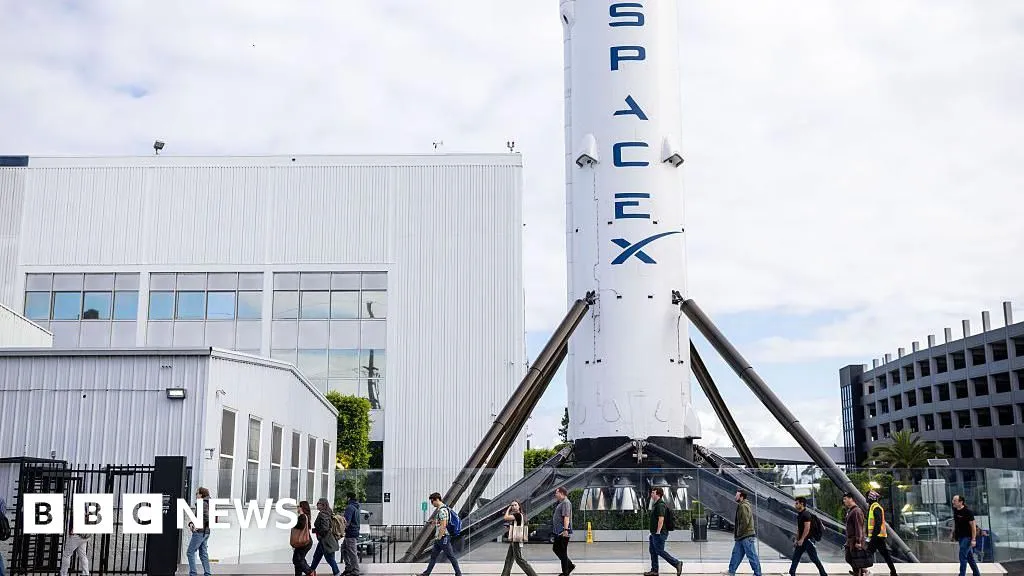
SpaceX raises $75bn in public sale, setting up Elon Musk’s record stock-market debut
A $75 billion public raise before a record listing turns SpaceX’s next chapter into a trillionaire test for markets.
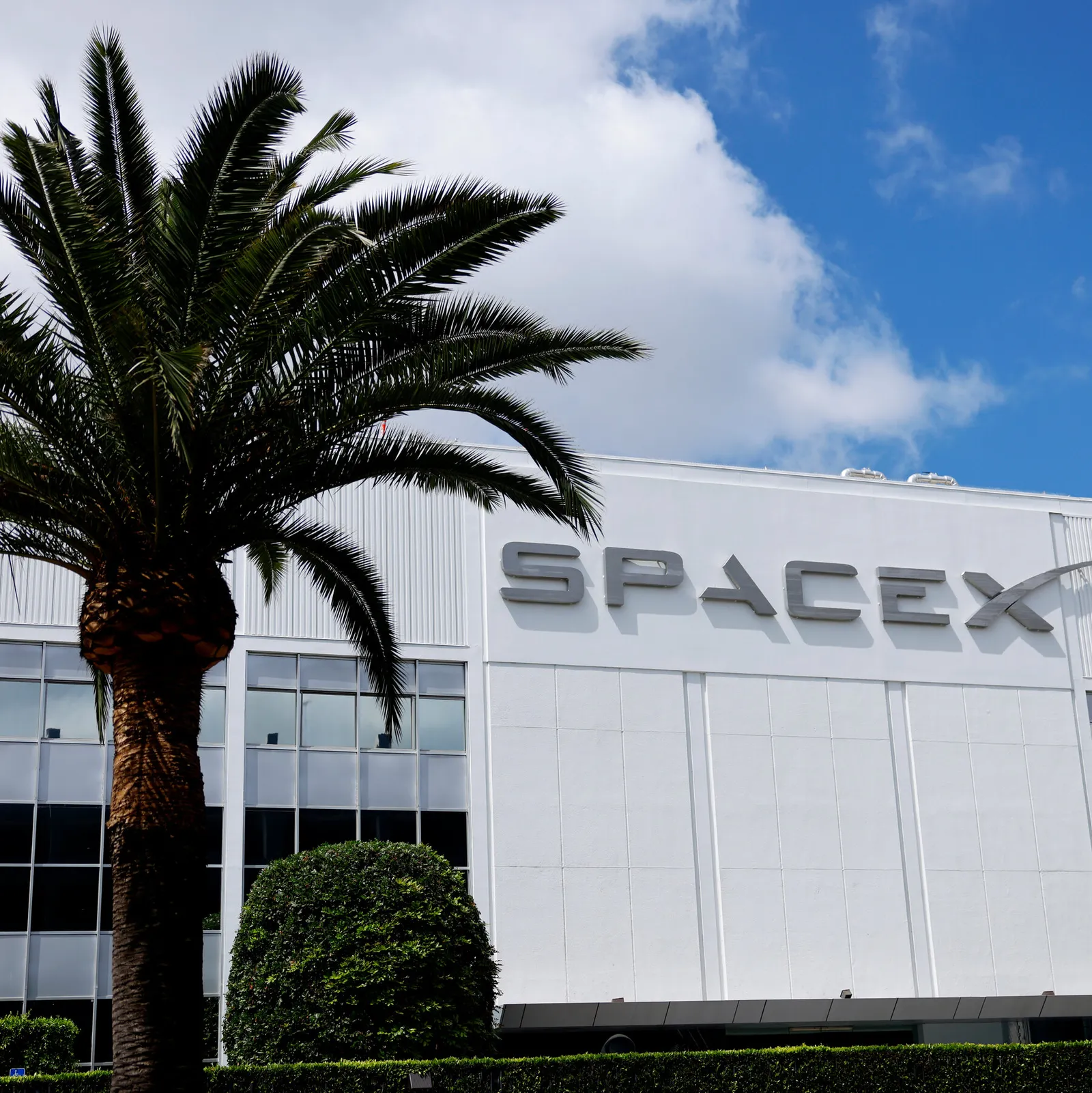
SpaceX sets IPO at $135, selling 555M+ shares and launching trading Friday
Elon Musk's rocket company prices its world-scale IPO at $135 per share, moving into public markets immediately.
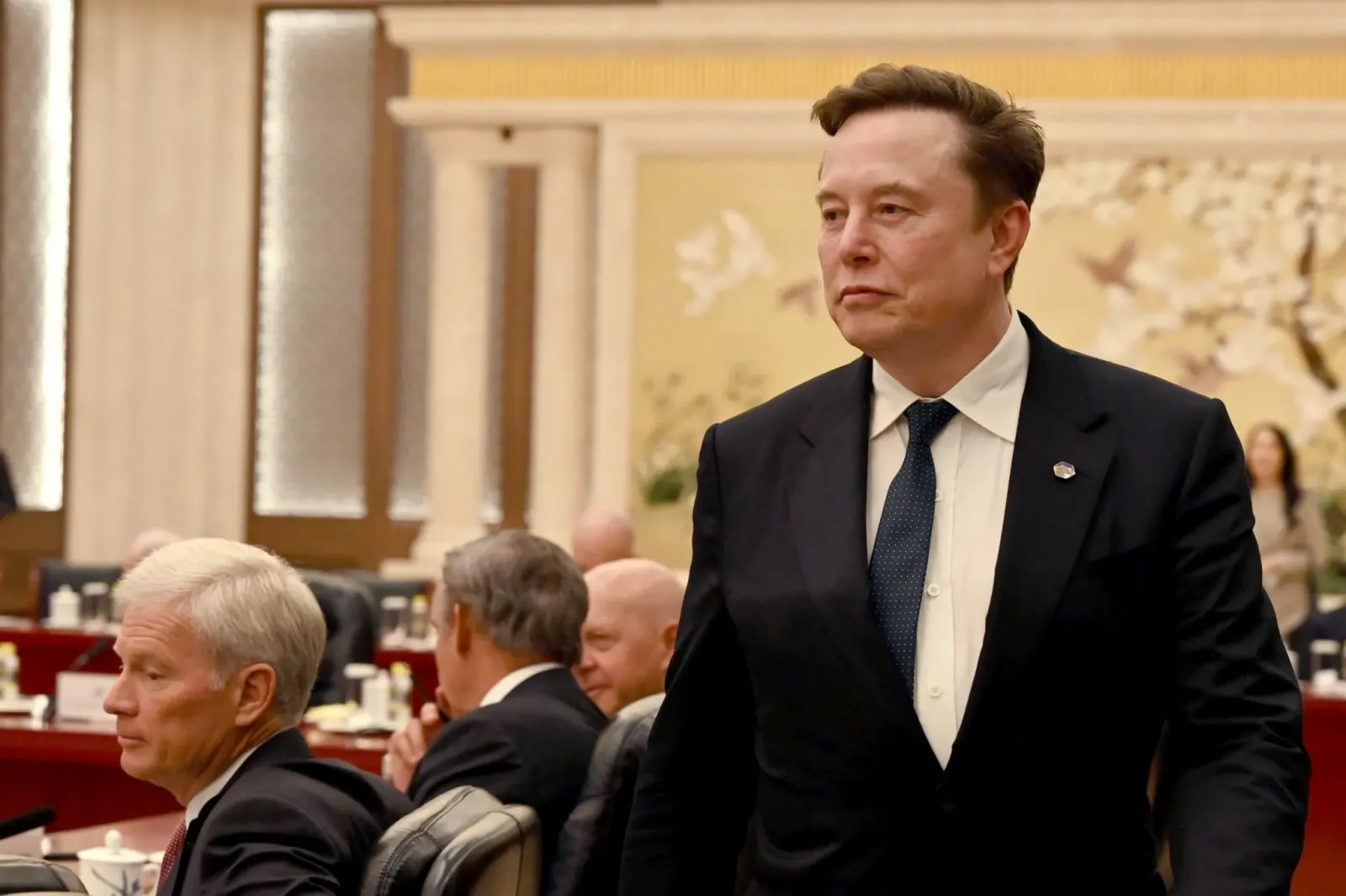
SpaceX IPO: Wedbush calls a Tesla merger “holy grail,” Morningstar pegs $63 fair value
Trading starts June 12 at $135, but analysts are split over a $72-per-share “option premium” on orbital AI dreams.