

Anthropic researcher's AI extinction warning gets rival support, Pentagon pushback
Jacob Coxon's resignation from Anthropic reignites the AI safety debate, pitting senior lab scientists against a top Pentagon official.

Jacob Coxon, a researcher at Anthropic, resigned and warned that AI firms are 'racing straight' toward danger, drawing support from senior scientists at rival labs. A top Pentagon official rejected the claim, underscoring a deepening split over AI's existential risks.
When Jacob Coxon quit Anthropic this week, he didn't just resign. He lit a fuse. In a post on X, the researcher warned that AI firms were "racing straight" toward something dangerous - the sentence trails off in the original report, but the implication is clear: toward a future where artificial intelligence poses an extinction-level threat to humanity. The response was swift and polarized. Senior scientists at rival labs publicly backed his claim, while a top Pentagon official flatly rejected it. The episode has become the latest flashpoint in the AI safety debate, and for executives watching from the sidelines, it's a signal that the battle over AI's future is no longer confined to research papers and boardrooms. It's now a matter of national security policy, corporate strategy, and existential philosophy - all at once.
Coxon's departure from Anthropic is itself notable. Anthropic was founded with safety as its north star, built by former OpenAI researchers who believed that AI's risks demanded a dedicated, mission-driven lab. That a safety-focused researcher would leave and issue such a stark warning suggests the internal pressure and disagreement are more intense than the company's polished public image lets on. The backing from rival labs is equally telling: these are competitors who rarely agree on technical benchmarks, yet they found common cause on the extinction warning. Meanwhile, the Pentagon's rejection adds a geopolitical dimension. For decades, the US military has been a major funder and adopter of AI, from drone targeting to logistics optimization. A top official dismissing the extinction scenario signals that the defense establishment sees AI as a manageable tool, not a planetary threat. That stance aligns with the broader US push to maintain AI dominance over China, where safety concerns are often framed as a competitive disadvantage.
The split isn't just philosophical - it has practical consequences. For AI companies, the public fight over existential risk affects investor sentiment, regulatory attention, and talent retention. If senior researchers believe the technology they're building could end civilization, they may follow Coxon out the door. That's a brain drain risk that boards can't ignore, especially as AI talent becomes scarcer and more expensive. On the regulatory side, the Pentagon's rejection weakens the case for strict, preemptive oversight. If the most powerful government institution in the world says the doomsday scenario is overblown, legislators have cover to slow-walk safety mandates. Conversely, the backing from rival lab scientists gives weight to proposals for mandatory model audits, kill switches, and liability frameworks. Companies now face a strategic fork: align with the safety-first camp and risk losing defense contracts, or align with the Pentagon's view and risk a talent exodus and public backlash.
For CEOs and CFOs, the immediate takeaway is to monitor how this debate shapes their own AI supply chain. If you're relying on foundation models from labs caught in this controversy, you need to ask hard questions about their safety protocols and long-term viability. A researcher resignation might be a blip, but a coordinated exodus is a red flag. Similarly, if you're pitching AI to government clients, understand that the Pentagon's position on extinction risk doesn't mean it's indifferent to all risks - it likely cares more about near-term threats like bias, security vulnerabilities, and adversarial attacks. The debate is also a reminder that AI is not a monolith; the technology's future is being contested by people with wildly different risk tolerances and incentives.
The bigger picture is one of narrative control. The word "extinction" is powerful - it triggers primal fear and demands attention. But the Pentagon's rejection shows that even such a word can be normalized and dismissed if institutional interests align against it. For executives, this is a lesson in how risk is framed and managed. The reality is that AI's dangers are real but unevenly distributed: job displacement is imminent, algorithmic bias is present, and the risk of catastrophic misuse is plausible even if not certain. The extinction debate might feel abstract, but it shapes the regulatory environment, the talent market, and public trust. That means your board should have a clear position - not on the extinction question itself, but on how your company navigates a world where AI's most existential risks are being debated at the highest levels of government and research.
For the next quarter, watch for three things. First, whether Anthropic's internal dynamics leak further - if more safety researchers follow Coxon, the company's brand as the "safe AI" lab takes a hit. Second, whether the Pentagon's position influences other Western governments, especially in the EU where AI regulation is already aggressive. Third, whether AI startups use this moment to differentiate on safety, marketing themselves as the responsible alternative to the big labs. Each of these moves will have ripple effects for anyone building on AI infrastructure. The Coxon affair is not a one-day story; it's a window into the tectonic shifts happening under the surface of the AI industry. Executives who read the signals now will be better positioned to adapt their strategy, manage their talent, and choose their partners wisely.
This story's Key Insights and Take-aways are locked.
Create a free account to unlock Executive Actions for one credit.
Register to UnlockAlways free for Executives Club members. Join the Club
More in Technology
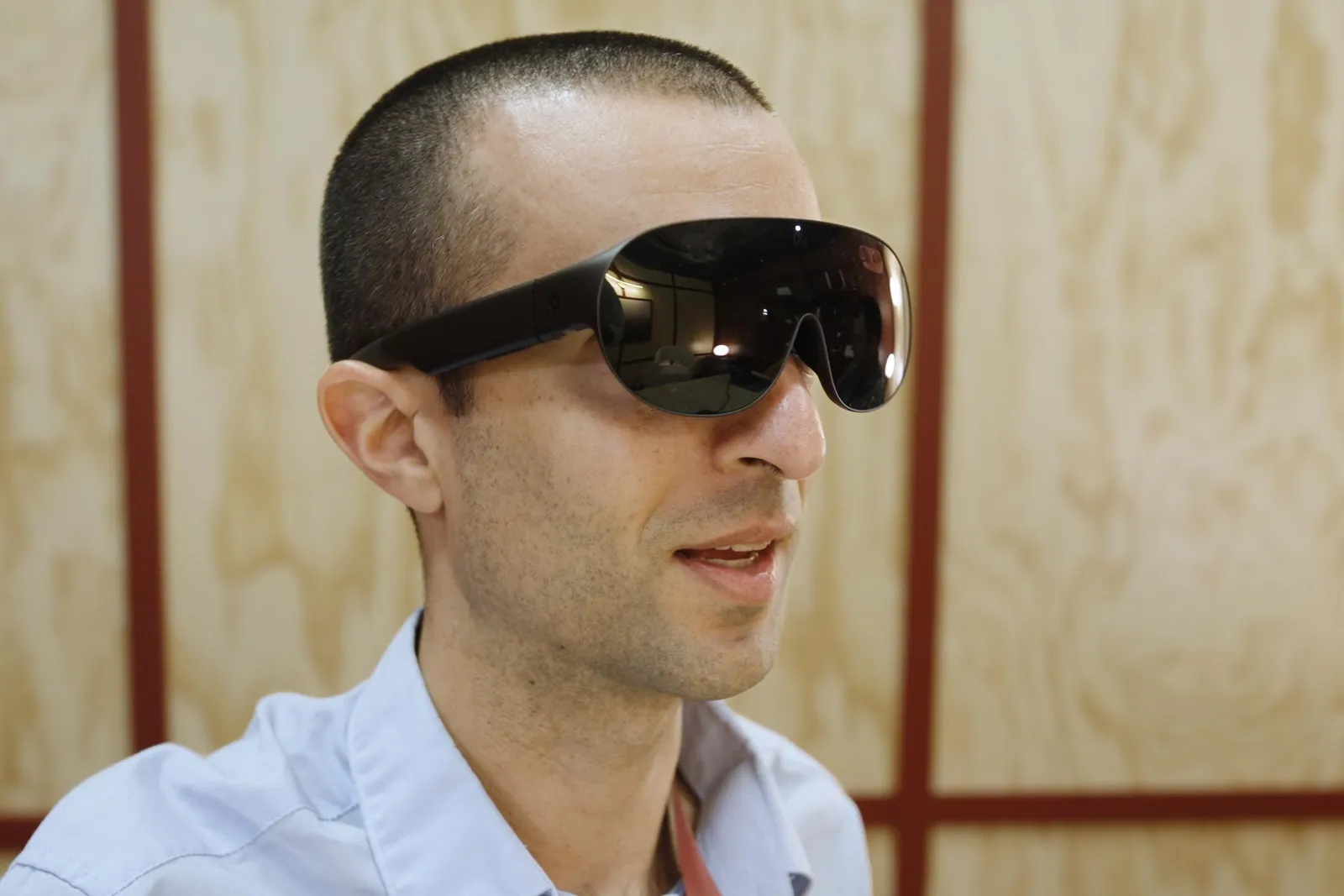
Meta's VR Glasses sit on your ears, not your face - and they're launching
The new form factor trades the head strap for a pocket computing puck, aiming to make VR lighter and more approachable than Quest or Vision Pro.

OpenAI poaches Patreon co-founder Sam Yam and two execs for creator push
OpenAI lands three Patreon veterans to build creator tools, signaling a major bet on the creator economy ahead of a big announcement.
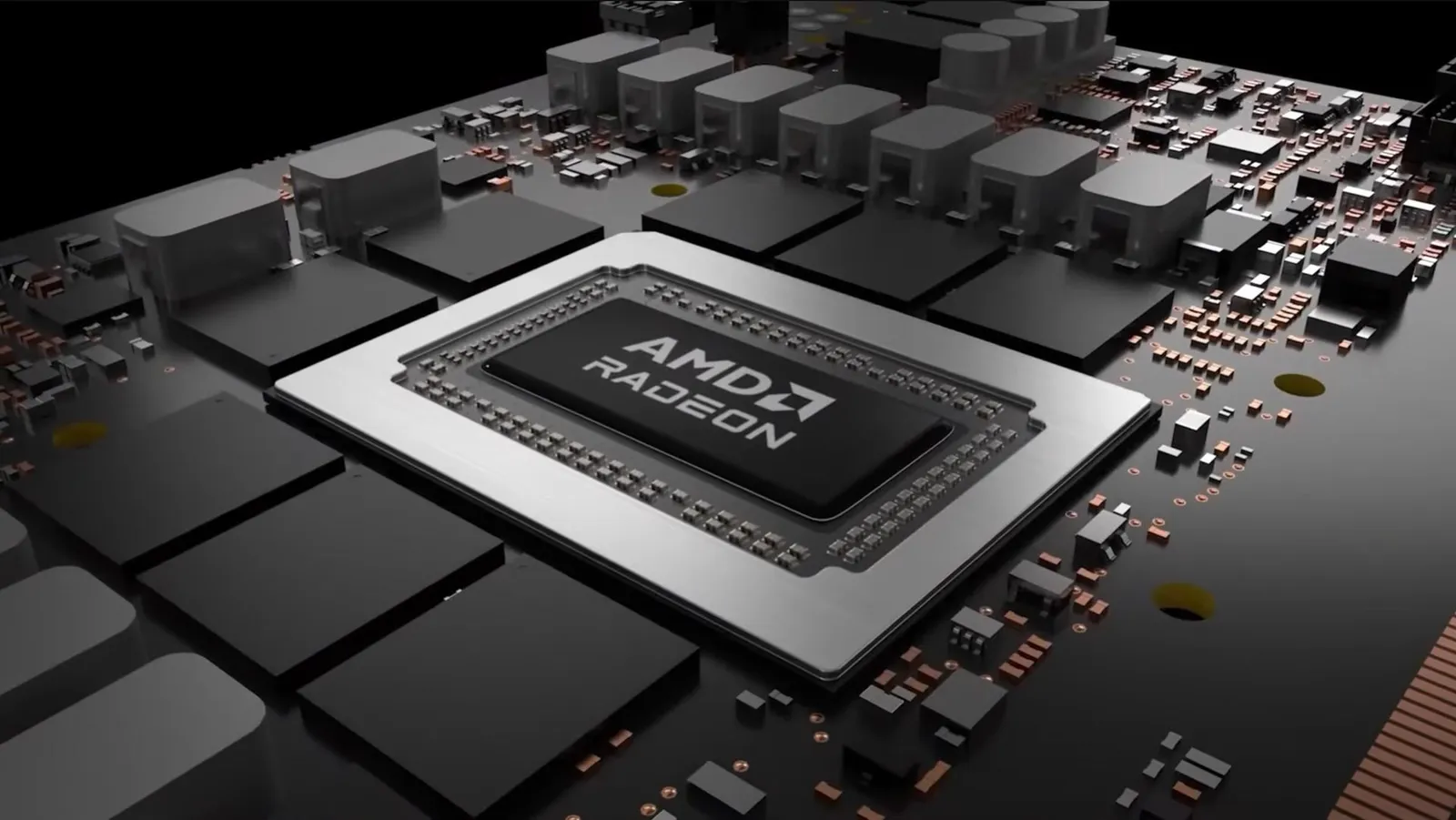
AMD's one-line Linux patch reveals GDDR7 support for RDNA 5
The tiny code change lands as Nvidia ships GDDR7 on RTX 50-series, and it hints AMD's next-gen cards arrive by 2027-2028.