
Asha Sharma’s Xbox reset puts Double Fine and Ninja Theory on the chopping block
Executives at Xbox Game Studios are reshuffling, and studios may close unless they can find buyers or spin out.

Microsoft, under new Xbox CEO Asha Sharma, faces reports that studios including Double Fine and Ninja Theory could close amid the “Xbox reset” announced last week. The consequence is job losses and a scramble for ownership structures, even for studios with recent releases.
New Xbox CEO Asha Sharma’s “Xbox reset” is colliding with studio survival. Bloomberg reports that Compulsion Games is not alone, with Double Fine, Ninja Theory, and “several other studios” at risk of closure, citing undisclosed sources familiar with Microsoft’s plans.
The pressure is already turning into concrete outcomes. The Verge reports that Ninja Theory will close unless it finds a buyer, despite the studio recently announcing a new Hellblade game at the recent Xbox showcase. Bloomberg also reports that Double Fine is “in active negotiations to spin off,” but even if it achieves independence, job losses are expected.
To understand why this matters for decision-makers, zoom out from any one studio and look at what Microsoft is trying to optimize. Xbox’s strategy appears to be shifting toward tighter portfolio control, and the mechanism is blunt: reduce commitments by closing studios that cannot secure a viable alternative ownership path, or restructure them through spin-offs. That kind of “reset” can look like a financial lever, but it lands as an organizational one. When a studio’s plan is no longer guaranteed internal backing, the question becomes existential: can it become someone else’s asset, or build a future without the parent?
Ninja Theory and Double Fine illustrate the two tracks. For Ninja Theory, the reported condition is simple: it can continue only if it finds a buyer. That’s a high bar in an industry where publishing and platform partnerships are complex, and it is especially jarring because the studio just used the Xbox showcase to signal momentum with a new Hellblade announcement. For Double Fine, Bloomberg’s reported path is negotiation and possible independence. The report frames it as “active negotiations to spin off,” which suggests a corporate unbundling effort. But even then, Bloomberg says job losses are expected, meaning the pain does not automatically disappear when legal ownership changes.
This is also a cultural story, not just a headcount story. Double Fine was founded 26 years ago by former LucasArts developer Tim Schafer. It is best known for Brütal Legend, the crowdfunded adventure Broken Age, and the Psychonauts series, plus its candid documentaries about the gamemaking process. In other words, Double Fine’s brand is deeply tied to how it makes games. Microsoft acquired it in 2019 under the direction of former Xbox CEO Phil Spencer, who oversaw a spree of studio purchases, including the landmark Bethesda and Activision Blizzard acquisitions.
Schafer and Spencer even appeared together at a media summit last year, a few months before Spencer announced his retirement. At that event, Schafer praised Spencer and Microsoft for respecting Double Fine’s creative independence, including the idea that Microsoft would allow the studio to pursue specific creative directions, like making “a walking lighthouse.” That backstory matters because the “Xbox reset” described now is not just about product lines. It is about whether the parent company’s priorities still match what independent-minded studios need to keep shipping.
The broader corporate context makes the reset easier to predict and harder to stomach. We learn that Xbox is “over extended,” according to Sharma. At the same time, Microsoft as a whole made nearly $32 billion in profit last quarter, and it has invested billions into AI. That juxtaposition matters because it signals where corporate leadership wants capital to go. Profit and AI investment give Microsoft optionality, but they do not guarantee that every gaming studio gets to ride along. If the board believes the returns are elsewhere, studios become the first place to cut.
Finally, there are signs of internal governance churn at the Xbox layer. We also learned today that the head of Xbox Game Studios and its chief of staff have stepped down. Organizational leadership changes typically do not cause studio closures by themselves, but they often coincide with strategy shifts, re-scoping, and a willingness to execute unpopular decisions.
For executives and boards at other game companies, the second-order lesson is brutal: even studios with recent announcements can face a “buyer or close” reality, and spin-outs may still mean workforce reductions. If you run a studio inside a large platform ecosystem, your risk is not only commercial. It is structural, tied to parent-company portfolio logic. And if you are an independent studio watching from the outside, you should assume the market for “assets with attached talent and IP” will be more active, but also more transactional, as platform owners tighten their belts.
This story's Key Insights and Take-aways are locked.
Create a free account to unlock Executive Actions for one credit.
Register to UnlockAlways free for Executives Club members. Join the Club
More in Business

Gina Rinehart backs SpaceX with a $1B+ stake after its $2.5T debut valuation
The Aussie mining billionaire just put Hancock Prospecting behind Musk's rocket-and-satellite combo, and markets noticed.
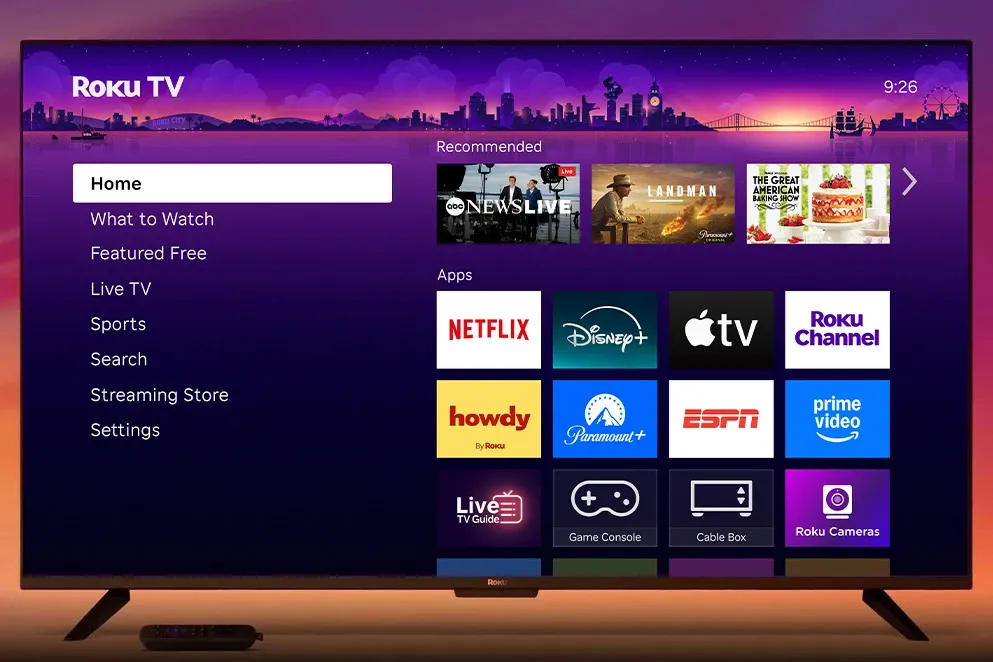
Fox agrees to buy Roku for $22B, paying $160.00 per share
What looks like a simple streaming bet is actually a $22 billion corporate reshuffle with board and regulatory gravity.

SpaceX jumps 6% in premarket, valuing the company at $2 trillion+ after its debut
The stock’s first-day surge pushes SpaceX past $2 trillion, reshaping how investors and regulators think about private space risk.