

Backrooms hit $100M in 6 days, making A24's Kane Parsons the youngest No. 1 director
A horror adaptation from a forum legend becomes a box office blueprint, and boards should notice the meme-to-market pipeline.
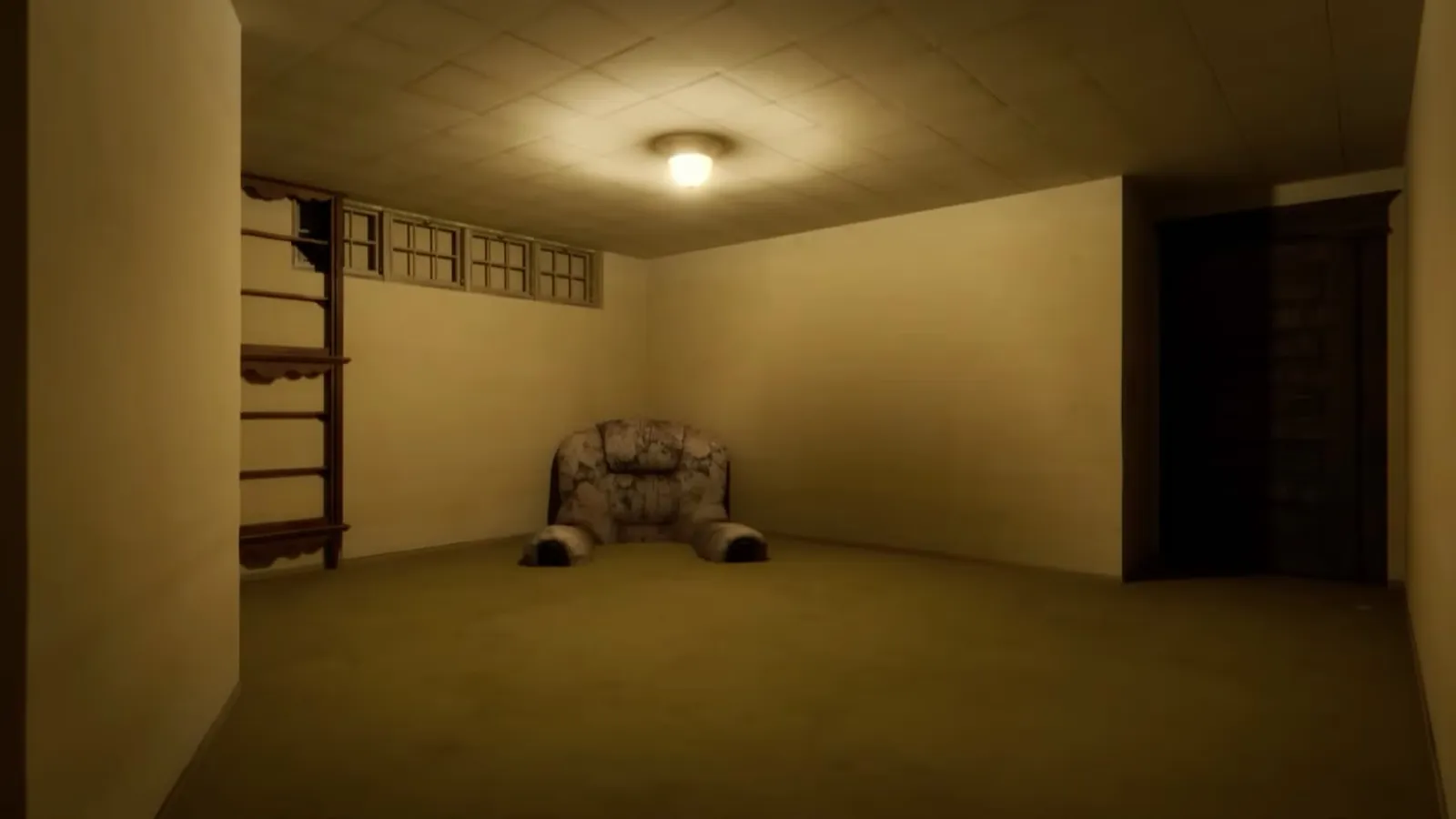
A24's Backrooms grossed over $100 million domestically in just six days, making it A24's highest-grossing domestic release. The film also established 20-year-old Kane Parsons as the youngest director to secure a No. 1 debut in North America.
A24's Backrooms did something modern horror has rarely managed: it turned an internet creepypasta vibe into measurable, repeatable box office dominance. In just six days, the film grossed over $100 million domestically, becoming A24's highest-grossing domestic release. That speed matters. Six days is not a slow burn, it is a signal that distribution, audience intent, and cultural momentum lined up in real time.
The other eyebrow-raiser is the human one. Backrooms established 20-year-old Kane Parsons as the youngest director to secure a No. 1 debut in North America. In an industry where “director” often means a career arc of years, this debut reframes who can credibly lead the next franchise. It is not just that a horror title won. It is that a very specific kind of creator profile won, fast.
So what is actually behind this? Backrooms traces to the same ecosystem that produces creepypastas: communities that treat scary stories like living objects, remixing them, re-posting them, and turning lore into shared shorthand. The business implication is simple. When a concept already has an audience in the form of forum behavior, it reduces some of the uncertainty that typically plagues horror development. You are not buying an idea from a blank page. You are adapting something with existing recognition, even if the path from “archive post” to “theater line” is still risky.
For decision-makers, the most interesting part is the franchise psychology. Backrooms, as framed by Polygon, is the argument that the next great horror franchise is probably already “hiding in a forum archive.” That idea is not just cultural commentary. It is a sourcing model. Instead of relying only on traditional IP pipelines, studios can scan user-generated libraries for narratives that already behave like IP: they spread, they endure, and they come with a built-in vocabulary audiences recognize.
This is where incentives start to get sharper. A film like Backrooms becomes a boardroom case study because it couples speed with scale. A24’s highest-grossing domestic release status is the kind of benchmark that gets repeated internally. When leadership sees $100 million domestically in six days, the next question is usually not “was it scary?” It is “what did we learn that can be replicated?” That is how horror stops being an occasional gamble and starts looking like a repeatable bet.
There is also a regulatory and compliance angle, even when the story is low on courtroom drama. Horror franchises are mass-market entertainment, which means they live under the same visibility constraints as any major release: ratings systems, advertising standards, and platform rules all shape how a title reaches viewers. None of that changes because the source material came from the internet. But the adaptation path does. A story born in online communities can generate intense reactions quickly, which increases the importance of classification, marketing language, and ensuring the final product lands where intended. Even without new rules being cited here, the operational reality is that faster momentum forces faster compliance decisions.
Second-order implications follow quickly from the director milestone, too. Boards and producers often default to “proven track record” when allocating creative risk. Backrooms shows that, at least in this case, a young director can deliver a No. 1 debut in North America. That can shift talent strategies, especially for companies that want to find fresh creative energy without paying for decades of inertia. It also changes how investors evaluate leadership risk. If the market can reward a 20-year-old with a number-one debut, the key variable becomes what development and execution support are put around that talent.
For executives looking at peers, the strategic stake is straightforward: the next horror franchise may be a content feed away, not a literary agent away. The meme-to-market pipeline that Backrooms demonstrates is potentially brutal in its implications. If audiences can rally around internet-origin horror that quickly, then delayed exploration becomes an opportunity cost. Today’s forum lore is tomorrow’s theatrical calendar. Backrooms is proof that horror franchises can be built from the archive, and built fast.
This story's Key Insights and Take-aways are locked.
Create a free account to unlock Executive Actions for one credit.
Register to UnlockAlways free for Executives Club members. Join the Club
More in Entertainment

Entertainer Russell Brand denies 7 sex charges amid accuser's 'couldn't breathe' claim
The alleged victim's account sharpens the reputational and legal stakes for Brand, his platforms, and any business tied to a public figure under criminal scrutiny.

Russell Brand's accuser 'bewildered and confused' as he denies 7 sex charges
The criminal case against the comedian is a live test of how media companies manage talent risk when serious allegations go public.

'It's a Magic Trick': Ballet Experts Say Rosalía's SNL Pose Is Impossible
Three ballet experts tell Rolling Stone Rosalía's gravity-defying SNL stillness shouldn't be possible - and why the debate is now part of the show.