
BepiColombo becomes only the second spacecraft ever to orbit Mercury
The international mission reaches the planet closest to the sun, giving scientists a rare second set of eyes and giving operators a case study in long-horizon R&D.
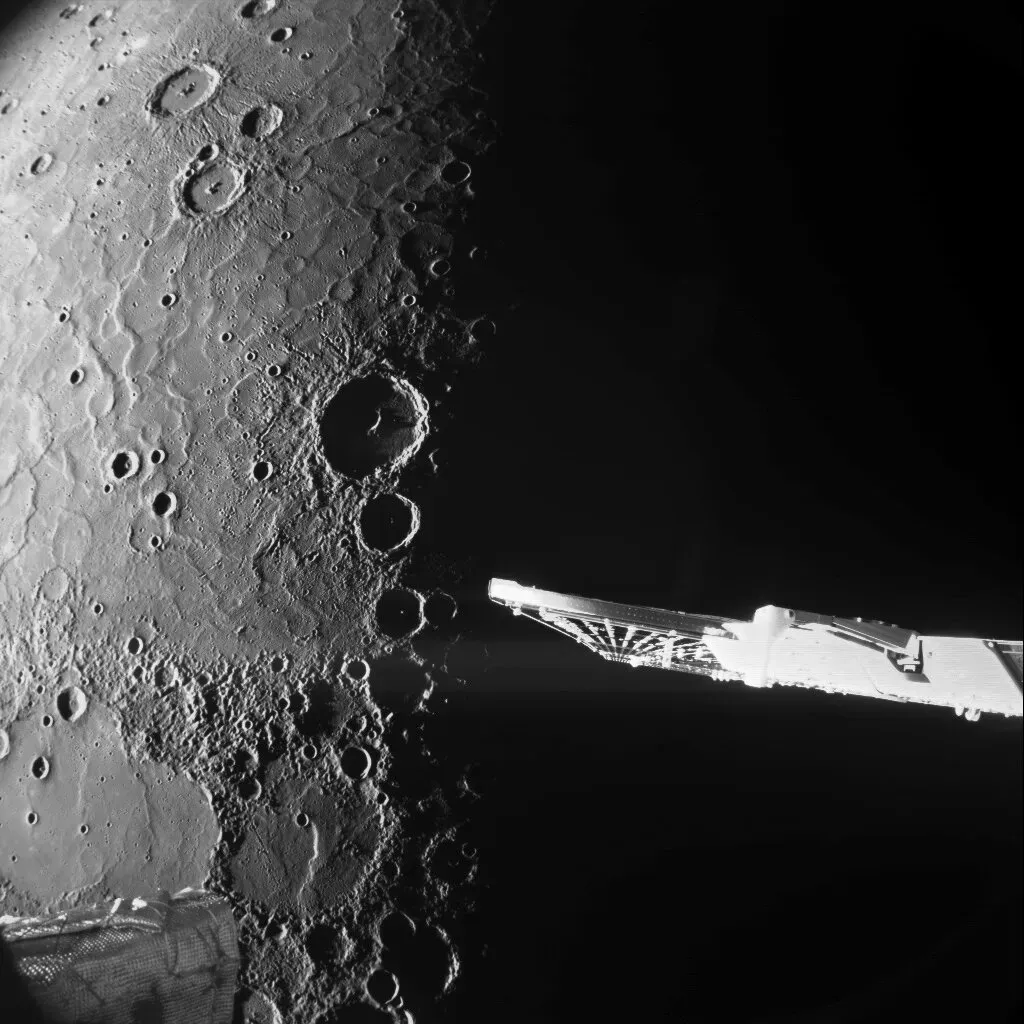
BepiColombo, an international mission, has become the second spacecraft in history to orbit Mercury, the planet closest to the sun. For decision-makers, the arrival is a reminder that the highest-return science bets are often multiyear, multi-country programs whose payoff is data and strategic positioning, not near-term revenue.
BepiColombo has arrived at Mercury and is now the second spacecraft in history to orbit the planet closest to the sun, according to The New York Times. The number that matters in that sentence is two. Only one other spacecraft has ever orbited Mercury, which means the arrival is not a routine flyby or a repeat of a familiar mission. It is a rare second data point at the solar system's innermost planet, and it gives scientists a sustained platform to study mysteries that a single orbiter could only hint at.
Mercury is a brutal target. It is the planet closest to the sun, and that proximity makes it small, fast, and hard to orbit. A spacecraft cannot simply coast in; it has to shed speed and survive an environment that is hostile to electronics and instruments. For a non-specialist, the easiest way to understand the value of a second orbiter is to think about a single security camera in a room where the action is fast and the lighting is terrible. One camera gives you a view. A second camera gives you depth, cross-checks, and a way to tell whether what you saw the first time was real or an artifact. BepiColombo is that second camera at Mercury.
The mission is international, and that matters to how it gets funded and how its data gets used. Large planetary science missions of this type are typically multiyear, multi-country efforts. They are not built like software launches, with a minimum viable product and a quick pivot. They are closer to public infrastructure: a long commitment, a fixed hardware design, and a scientific return that accumulates over years. The arrival at Mercury is therefore a milestone in a program that has already consumed years of engineering and coordination, and it marks the start of the phase where the data finally begins to flow.
What makes the arrival more than a photo opportunity is the comparison problem. A single spacecraft can produce a compelling story about a planet. A second spacecraft can test that story. Scientists can compare measurements, check whether an odd reading was a local anomaly or a global pattern, and build a longer baseline for understanding how Mercury behaves. The New York Times frames the mission as an effort to study Mercury's mysteries, and the second orbiter is valuable precisely because mysteries are rarely solved by one instrument on one pass. They are solved by independent observations that agree, disagree, and eventually sharpen the picture.
For investors and operators, the Mercury arrival is a useful contrast to the quarterly cadence that dominates boardrooms. Deep-space science is not a fast-revenue business. It is typically publicly funded, with returns measured in knowledge, talent, national prestige, and strategic capability rather than in next-quarter bookings. That does not make it irrelevant to commercial leaders. Space supply chains, advanced materials, precision instruments, and high-reliability engineering all benefit from programs that push hardware to extremes. But the lesson is about portfolio construction: some bets require decade-scale patience, milestone governance, and a tolerance for results that arrive in bursts rather than in smooth quarterly increments.
There is also a governance lesson in the word second. Redundancy is not duplication. In a mission, a second orbiter reduces the risk that a single sensor, a single orbit, or a single interpretation becomes the whole truth. In a company, a second data source does the same thing. It can be a second market test, a second supplier, a second reviewer, or a second model. The point is not to collect more noise. The point is to create an independent check on the story you are telling yourself. International collaboration adds complexity to that check, because partners bring different priorities, different rules, and different political cycles. But it also adds resilience, and it makes the resulting data harder to dismiss.
The strategic stakes for peers in similar roles are not that every company should fund a Mercury mission. They are that long-horizon programs need explicit design choices. What is the question the program is trying to answer? What milestone proves it is on track? Where is the second source of truth? Who is the partner that can challenge the internal consensus? BepiColombo's arrival is a reminder that the most valuable science is often the least quarterly. It is a stream of observations that scientists can compare against the first orbiter's data, and that comparison is where the real payoff begins.
The planet closest to the sun now has a second set of eyes. That is a science milestone, and it is also a management case study. The mission's mysteries will not be solved in a single press release. They will be solved by sustained observation, independent verification, and the patience to let a second data point do its work. For leaders, the question is whether their own long-horizon bets have the same discipline: a clear question, a second source of truth, and the willingness to wait for the evidence to accumulate.
This story's Key Insights and Take-aways are locked.
Create a free account to unlock Executive Actions for one credit.
Register to UnlockAlways free for Executives Club members. Join the Club
More in Science
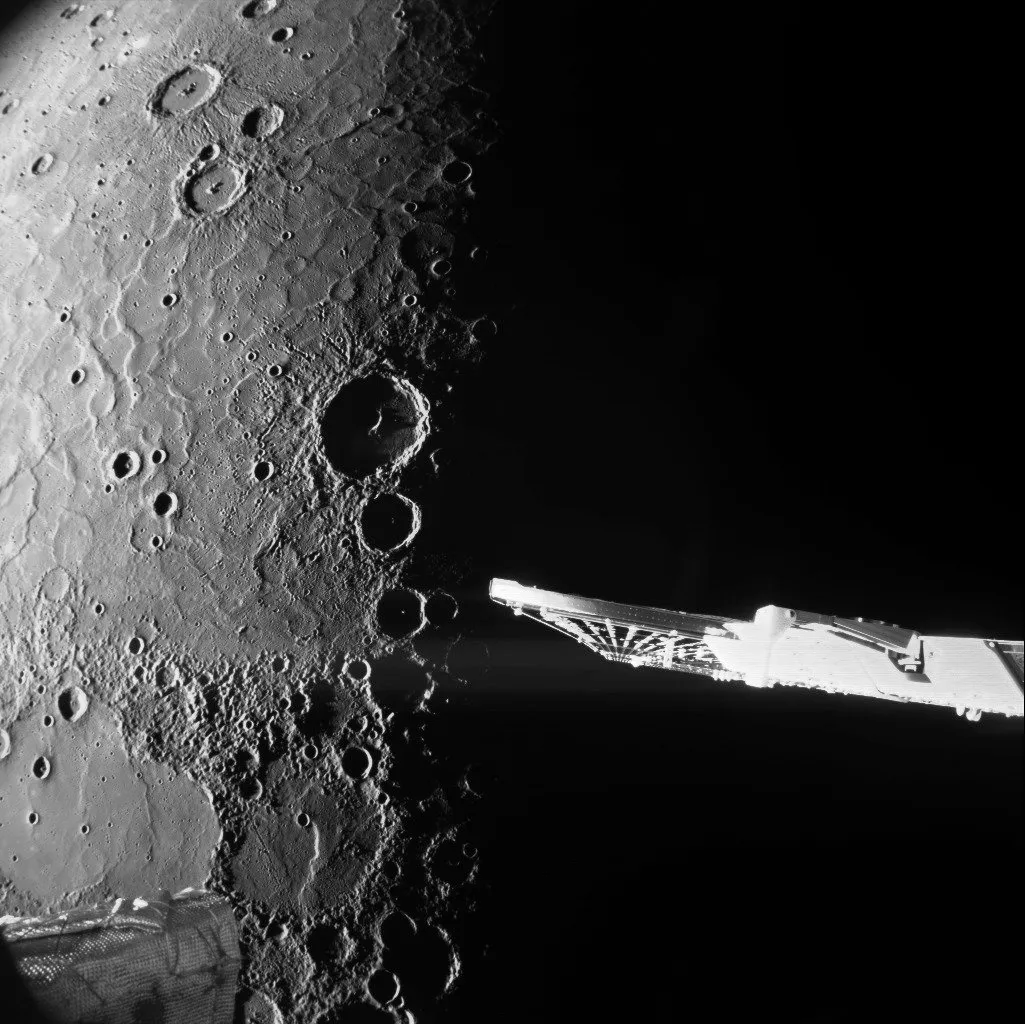
Europe and Japan park $2B twin probes at Mercury after eight years
BepiColombo's arrival ends an eight-year, $2 billion cruise and hands Europe and Japan a multi-year data edge on the solar system's least-studied planet.

COP31 stalls as countries weigh forcing a Saudi showdown on fossil fuels
Two weeks of UN climate talks in Turkey have overrun without a deal, and the decision now facing governments will shape energy costs, transition timelines and capital allocation for years.

Job ad says bachelor's required. Drop that line and pay for non-degree workers rises.
HR writes the requirements that decide who never gets screened at all, and the evidence now links removing degree requirements to higher pay for the workers who were being filtered out.