

Europe and Japan park $2B twin probes at Mercury after eight years
BepiColombo's arrival ends an eight-year, $2 billion cruise and hands Europe and Japan a multi-year data edge on the solar system's least-studied planet.
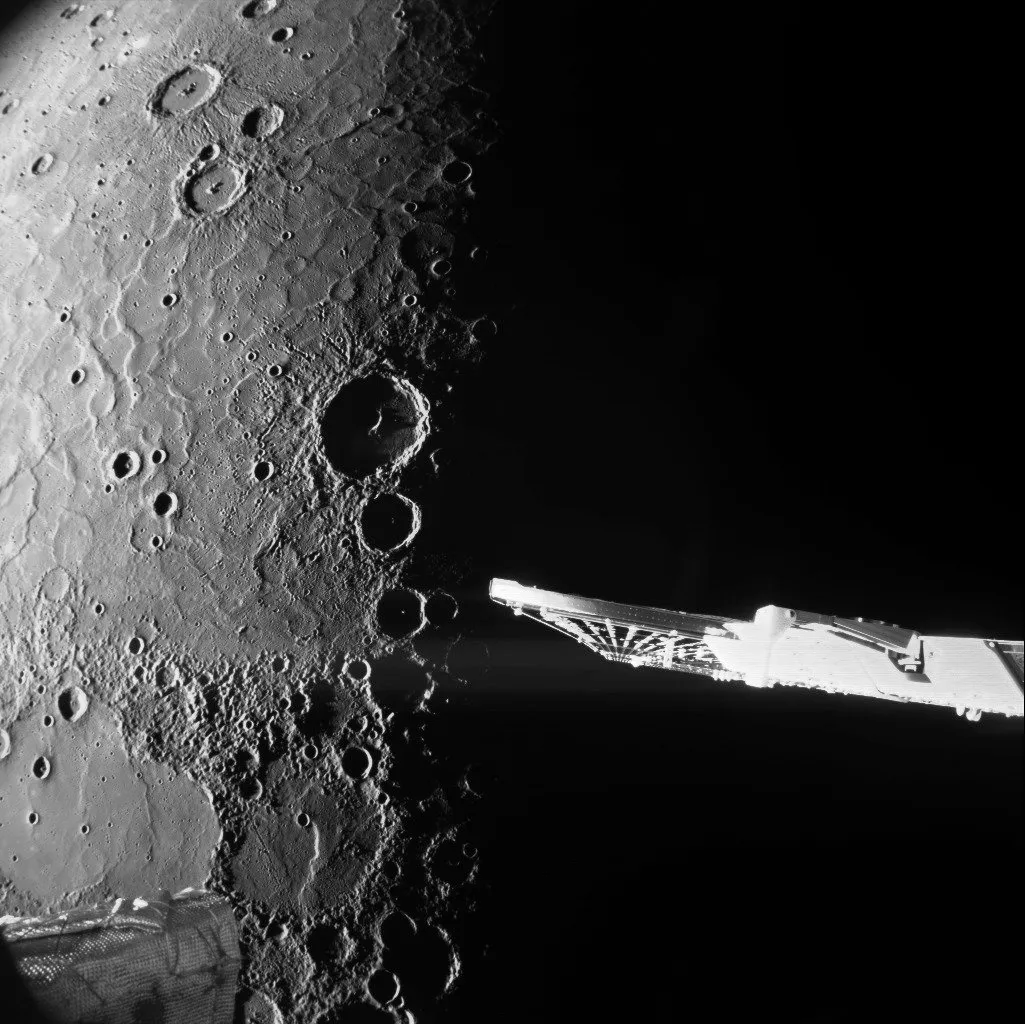
The European Space Agency and Japan's space agency have slipped the two linked BepiColombo spacecraft into orbit around Mercury, capping an eight-year, $2 billion (1.7 billion euros) cruise. The orbiters separate next month to map the planet from different altitudes, giving the two agencies a multi-year dataset on a world only two prior missions have reached.
Two spacecraft slipped into orbit around Mercury on Saturday, ending an eight-year cruise through the inner solar system and giving the smallest planet its first visitor in years. The pair is linked for now: one built by the European Space Agency, the other by Japan's space agency, flying together as a single mission called BepiColombo. Next month they separate, then settle into different altitudes to map and study the scorching little planet from two vantage points at once. The price tag on all of it: $2 billion, or 1.7 billion euros.
That number is the story. Eight years of cruise and $2 billion buys a mission that has not yet produced a single scientific result, and will not for months. It also buys something rarer than data: access. Mercury is the hardest of the rocky planets to reach and the easiest to ignore. Only two spacecraft missions have ever been there, and the last one to orbit the planet wrapped up years ago. For the two agencies splitting the bill, the payoff is not a product. It is a dataset nobody else has.
Getting to Mercury is a physics problem before it is a budget problem. The planet sits deep in the Sun's gravity well, so a spacecraft cannot simply fly at it. It has to fall inward, then brake, then keep braking, because arriving too fast means sailing straight past. BepiColombo's route took it past Earth and Venus and back past Mercury itself, using each flyby to shed speed it could never have burned off with fuel alone. That is why the cruise took eight years, and why the mission is a collaboration rather than a solo flight. Splitting the cost, the instruments and the risk between Europe and Japan is how a $2 billion planetary science mission gets funded at all.
The mission is named for Giuseppe "Bepi" Colombo, the Italian scientist whose orbital math helped make the first Mercury flybys possible in the 1970s. The questions it is chasing are old and stubborn. Mercury is small but surprisingly dense. Its day is longer than its year. Surface temperatures swing from scorching to cryogenic. It carries a magnetic field a planet that size should not have, and it may hold ice in craters that never see sunlight. None of that is settled, and the two orbiters, flying at different altitudes, are built to attack the puzzle from two directions at once.
For anyone outside the space sector, the interesting part is the shape of the bet. Planetary science is the longest-duration research program most governments run: eight years of cruise, then years of analysis, with no revenue at any point along the way. It survives because the returns are indirect and enormous. Thermal engineering, propulsion, autonomous navigation and deep-space communications all get harder here than almost anywhere else, and the workforce trained on those problems does not appear on a normal hiring timeline. Europe and Japan just proved they can run that kind of program together, at a price both can defend to their funders.
This is the part of space that private capital has not taken over, and mostly cannot. Launch is increasingly commercial. Deep-space science is not, because there is no customer at the end of it. That leaves a two-tier industry running on two different clocks: fast, cheap, competitive access to orbit on one side, and slow, expensive, government-backed exploration on the other. The two tiers rarely share a supply chain, and they almost never share a business model.
There is also a quiet strategic point in the pairing itself. A mission this long outlives the governments that fund it, the agency directors who sign off on it and most of the engineers who build it. The fact that two agencies on opposite sides of the world kept a linked spacecraft alive through eight years of cruise says something about institutional patience that quarterly earnings calls rarely reward. It is the kind of capability that is easy to let atrophy and expensive to rebuild.
Next month's separation is the moment the mission actually begins. Until then, BepiColombo is one spacecraft with one set of constraints. After the split, it becomes two observatories, each with its own orbit, its own instruments and its own view of the same planet. The data will arrive slowly, then keep arriving for years. That is the trade the two agencies made: no headline product, no quarterly return, just the first close look in years at a planet that has been quietly waiting for a return visit.
This story's Key Insights and Take-aways are locked.
Create a free account to unlock Executive Actions for one credit.
Register to UnlockAlways free for Executives Club members. Join the Club
More in Science
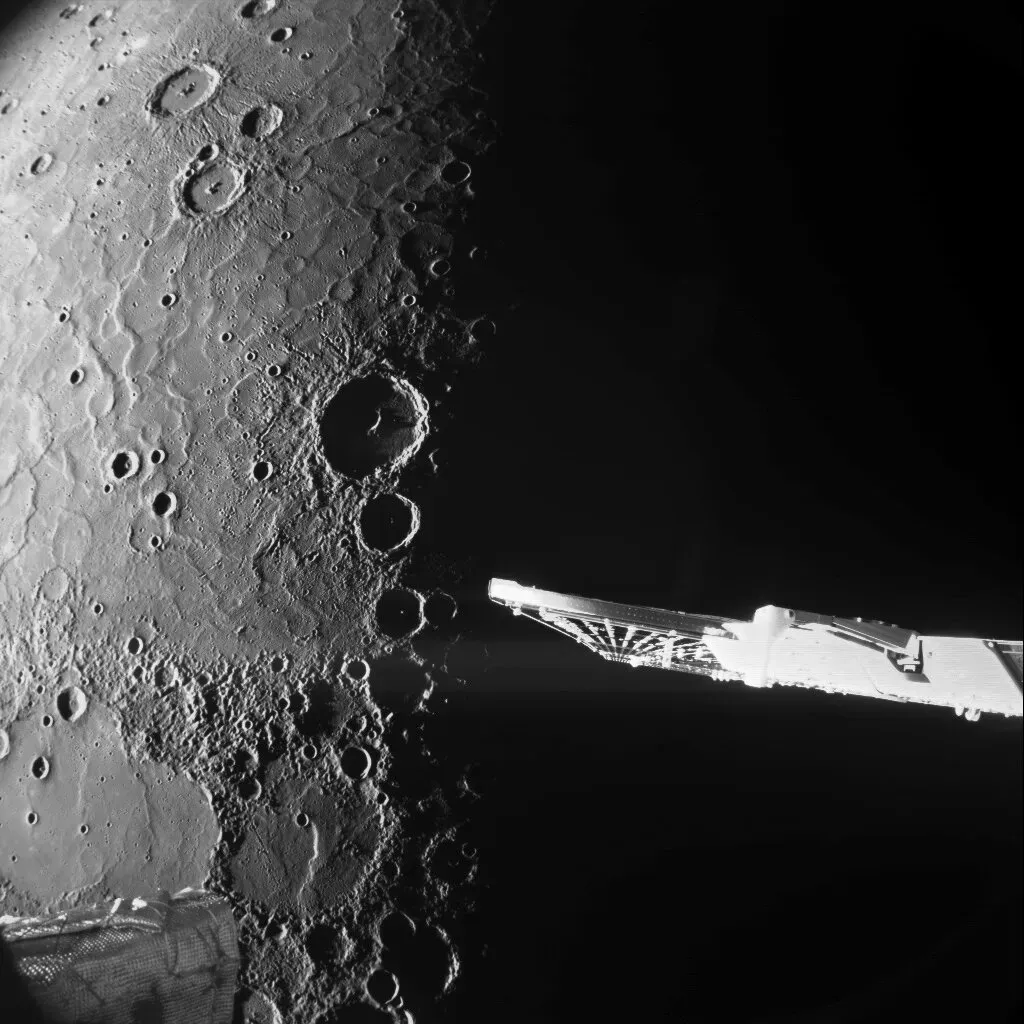
BepiColombo becomes only the second spacecraft ever to orbit Mercury
The international mission reaches the planet closest to the sun, giving scientists a rare second set of eyes and giving operators a case study in long-horizon R&D.

COP31 stalls as countries weigh forcing a Saudi showdown on fossil fuels
Two weeks of UN climate talks in Turkey have overrun without a deal, and the decision now facing governments will shape energy costs, transition timelines and capital allocation for years.

Job ad says bachelor's required. Drop that line and pay for non-degree workers rises.
HR writes the requirements that decide who never gets screened at all, and the evidence now links removing degree requirements to higher pay for the workers who were being filtered out.