

Bill Maher fires back at Trump while collecting the Mark Twain Prize at Kennedy Center
The late-night host uses a top comedy award stage to sharpen his feud with President Trump, right where the institution’s history matters.
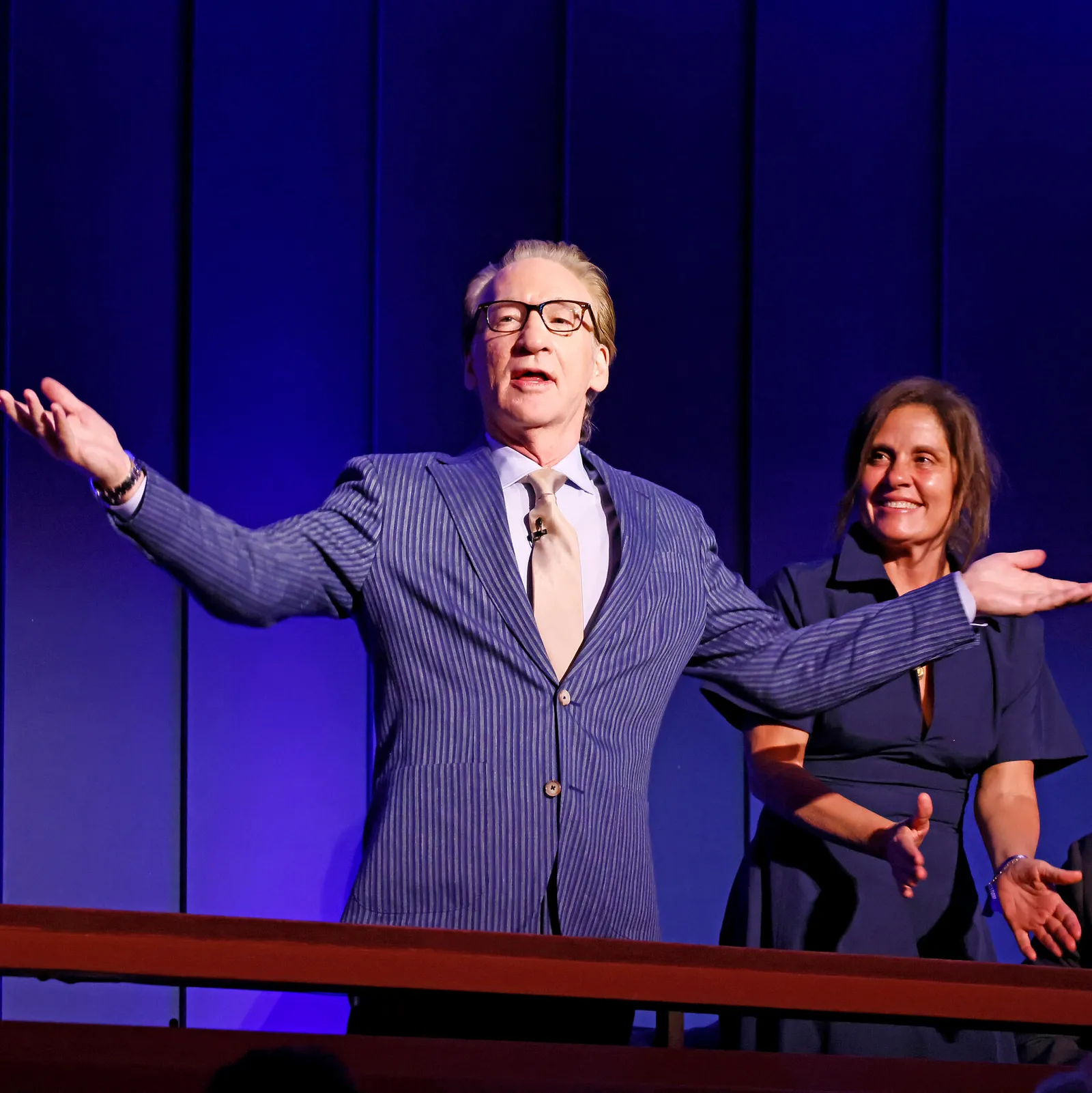
Bill Maher received the Mark Twain Prize at the Kennedy Center, the late-night host leaning into his spat with President Trump during the ceremony. For decision-makers, the moment is a reminder that high-profile cultural awards can function like political leverage, not just entertainment.
Bill Maher received the Mark Twain Prize at the Kennedy Center and leaned hard into his spat with President Trump during the award moment. That might sound like typical late-night fireworks, except the location and symbolism raise the stakes. The Kennedy Center is not just a venue for comedians. It is an institution with historic ties, including a past name connection to a president. So when Maher mixes acceptance remarks with political confrontation, he is doing more than entertaining. He is turning a formal cultural ceremony into a public, performative battleground.
Maher’s move matters because it puts a personal feud into an official setting. The Mark Twain Prize is widely treated as a major recognition for American comedy, and the Kennedy Center is one of the country’s central cultural platforms. By choosing to lean into his disagreement with President Trump while accepting that honor, Maher effectively draws attention to how political identity now sits inside mainstream entertainment spaces. The immediate consequence is that the award becomes inseparable from the headline-level politics around Trump, rather than remaining a standalone cultural win.
There is a broader lesson for people who run institutions, manage brand risk, or govern high-visibility organizations: cultural moments are no longer “just culture.” They travel fast, get clipped, and then get reinterpreted across political audiences. Even when the underlying event is artistic or comedic, the distribution mechanics are political. Executives in adjacent worlds, like media, talent management, and corporate sponsorship, have already felt the pressure. Sponsors do not just underwrite performances; they underwrite the perceived social meaning of performances. If an award show becomes a stage for conflict, that meaning can spread beyond the room in hours.
Now connect this to how incentives work inside institutions like the Kennedy Center. When a high-profile comedian receives a top award, the institution’s incentives are usually straightforward: celebrate talent, maintain prestige, and attract audiences. But prestige in 2026 is not built in a vacuum. Public figures can force questions about whose values are being amplified, and audiences can interpret silence as a position. In other words, the stage can force institutions into the political spotlight even if they never asked to be there. Maher’s decision to lean into his spat with President Trump during an award ceremony underlines how the guest can drive the meaning, not the host.
This is where governance and optics collide. Boards and executives at public-facing nonprofits, foundations, and major cultural venues constantly manage reputational risk. The risk is not only “Will people get offended?” It is “Will this moment become the story, and will the story crowd out everything else we do?” When political tension is prominent, media coverage can compress a whole event into a single narrative. That narrative can then shape donor sentiment, audience attendance, and even recruiting for future events.
There is also a second-order effect for the broader entertainment economy. Political confrontation is not just personal. It can be an audience acquisition strategy. Late-night and comedy have long used satire as a way to communicate with specific viewers, but the modern environment rewards those segments with fast attention cycles. When a figure like Maher mixes an award with confrontation, it signals to other performers and producers that political engagement is compatible with mainstream recognition. That can raise the temperature across the industry, pushing more creators to treat institutions and ceremonies as platforms for messaging, not just celebration.
Finally, for decision-makers watching this from other sectors, the strategic stake is simple: cultural institutions are part of the national information ecosystem. When Maher leans into a spat with President Trump while receiving the Mark Twain Prize at the Kennedy Center, he illustrates how quickly cultural prestige can be repurposed into political commentary. If you lead an organization with public visibility, the practical question becomes: how do you protect the core mission when the guest, the audience, and the algorithm turn every moment into a political signal? This story suggests you might not be able to stop the signal. But you can decide what you stand for when the spotlight hits.
This story's Key Insights and Take-aways are locked.
Create a free account to unlock Executive Actions for one credit.
Register to UnlockAlways free for Executives Club members. Join the Club
More in Politics
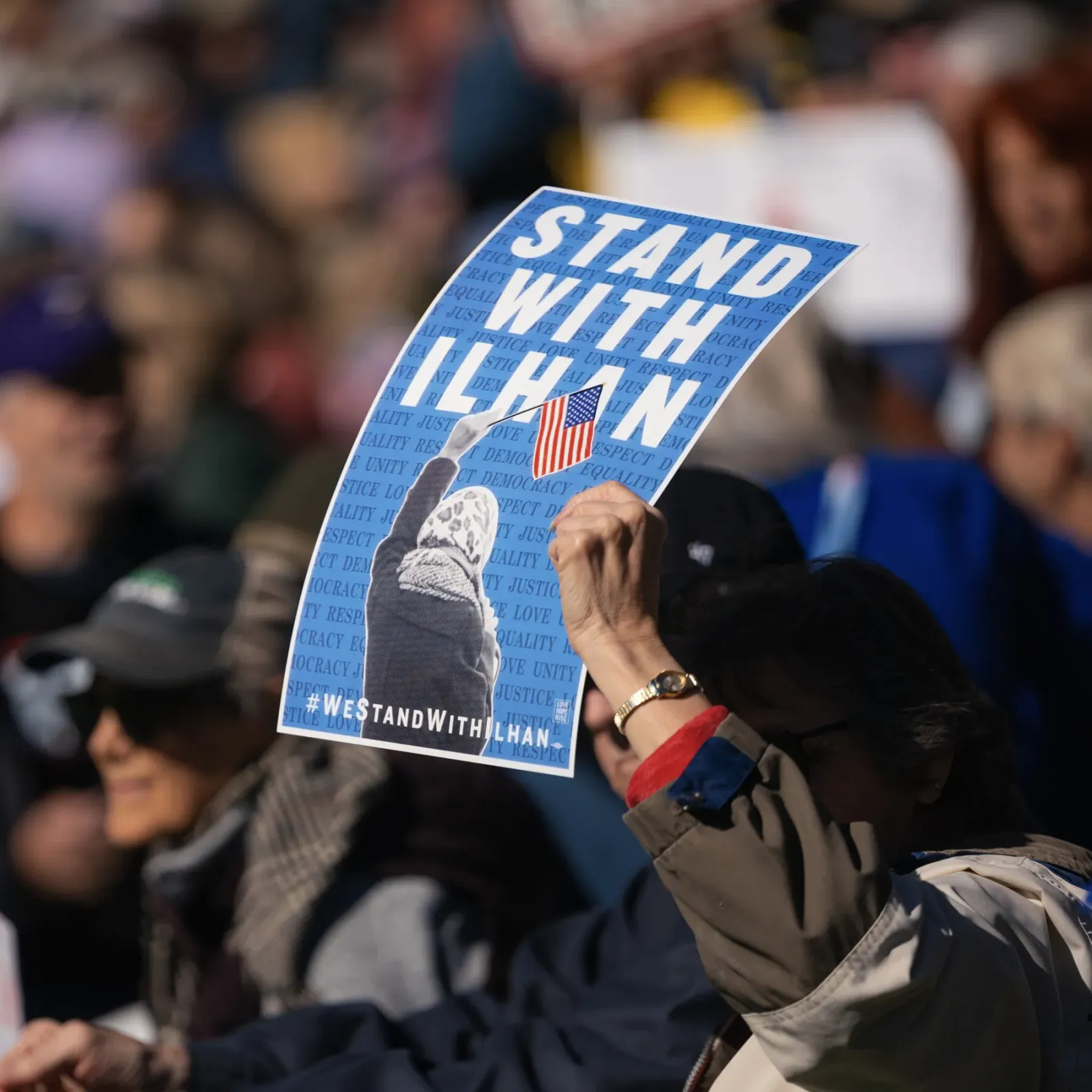
Obama Defends Ilhan Omar After Agents Search Her Home in Trump Inquiry
The former president's intervention raises the stakes in a federal probe into immigration paperwork that has put a prominent progressive lawmaker in the crosshairs.
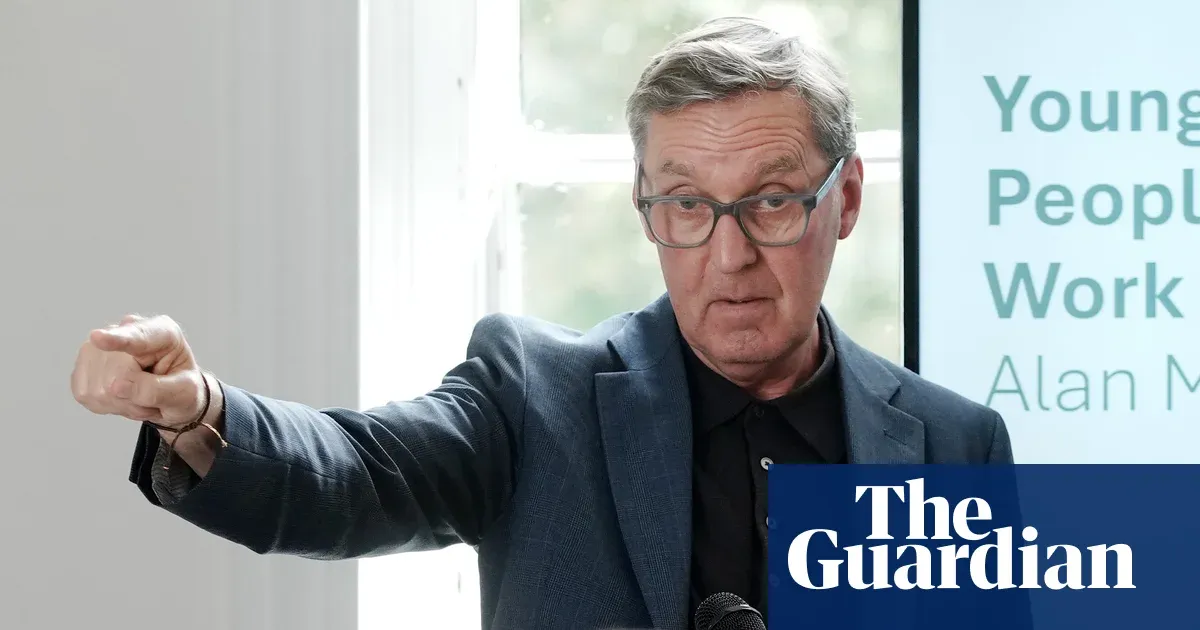
Blair-era minister: cut welfare to fund youth job support
Alan Milburn's call for welfare cuts to fund employment support opens a Labour fight over benefits and the Neet crisis.
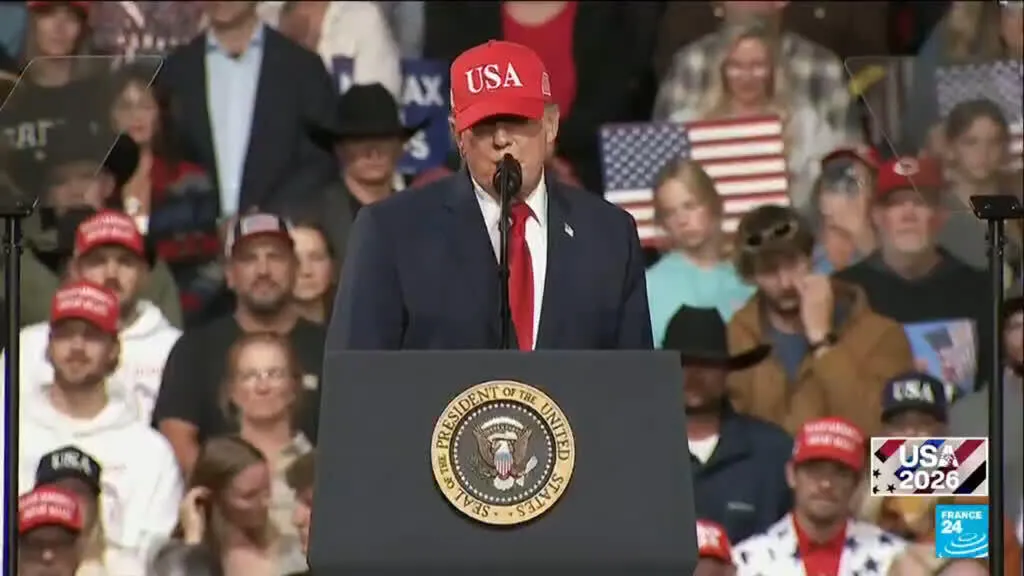
Hot September CPI: energy costs surge, voters feel the squeeze before midterms
The latest inflation print lands as Trump campaigns for GOP control of Congress, putting cost-of-living worries at the center of the midterm fight.