
Bill Maher gets the Mark Twain Prize at Kennedy Center amid arts upheaval Sunday
The comedian known for targeting President Trump headlines the award, while the Kennedy Center confronts fresh turbulence.
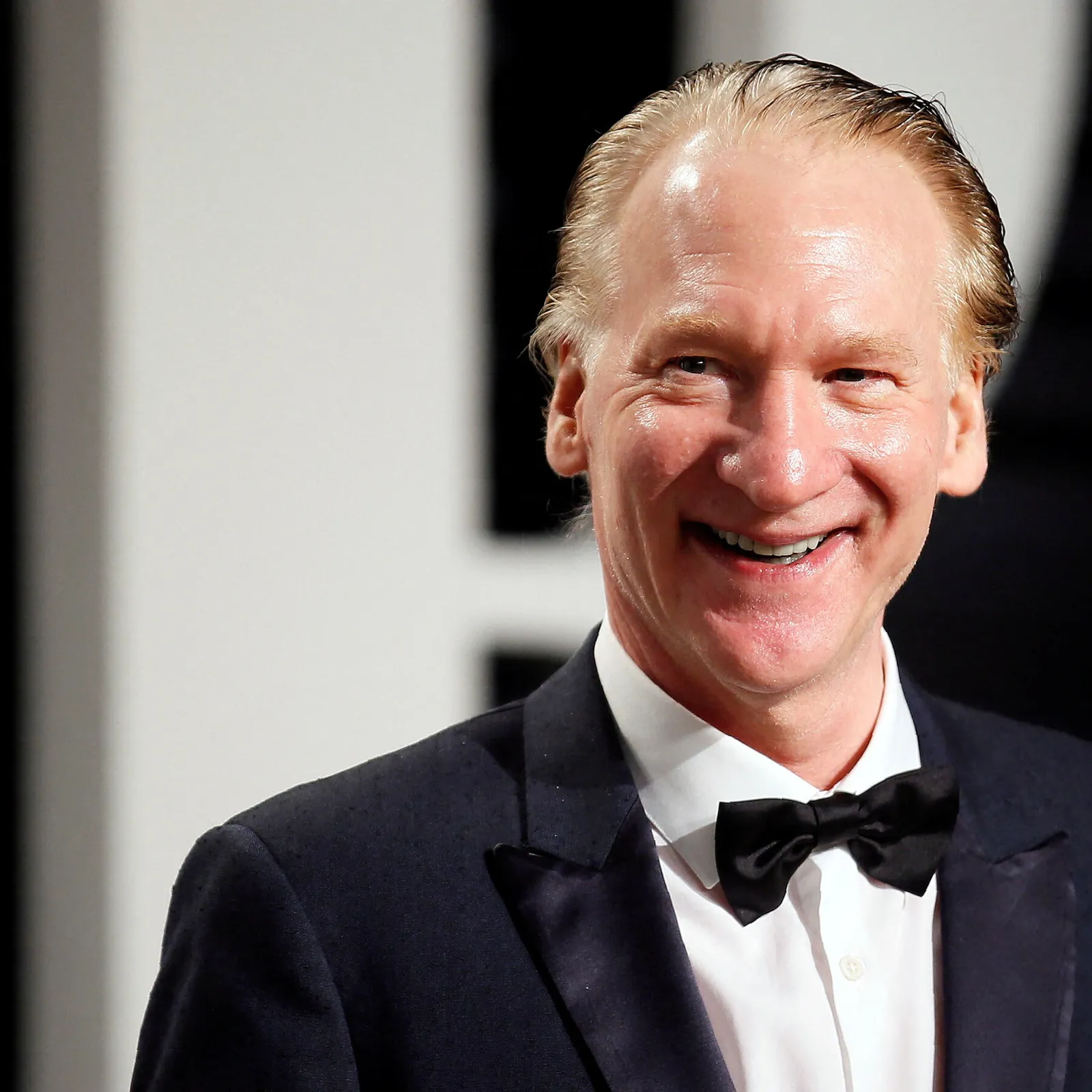
Bill Maher is set to receive the Mark Twain Prize at the Kennedy Center on Sunday. The appearance lands at a moment of upheaval for the arts institution that once bore the president’s name, raising questions for leaders watching how politics reshapes cultural platforms.
Bill Maher, a frequent critic of President Trump, is set to receive the Mark Twain Prize at the Kennedy Center on Sunday. He will take the stage at an arts institution in the middle of upheaval, at a time when even cultural recognition is getting pulled into the gravity of the national political fight.
That pairing matters. Maher is not just another guest entertainer. He is a public commentator whose routines have often functioned like political weather reports for a polarized audience, and the Mark Twain Prize itself sits inside a prestigious ecosystem where symbolism is a currency. Put him on stage at the Kennedy Center while the institution is undergoing turbulence, and the event becomes more than an award night. It becomes a live test of whether the center can keep its cultural authority intact when the politics of the moment are loud enough to compete with art.
To understand why executives should pay attention, think about what these institutions actually manage. The Kennedy Center is not merely a venue, it is a brand, an employer, a convenor, and a public-facing platform. When upheaval hits, it can pressure everything downstream: donor confidence, sponsor optics, staff morale, and the willingness of partners to associate closely with the institution’s near-term narrative. In other words, the risk is not just reputational, it is operational.
There is also an extra layer here because the Kennedy Center once bore the president’s name. The source describes it that way, which is a reminder that American cultural institutions have a long history of renaming, reframing, and revising their own identity based on political winds. Executives who work adjacent to public culture, nonprofit governance, or major-ticket philanthropy know the pattern: when a brand is tied to national legacy, governance becomes more complicated than “keep the lights on.” Leaders must also interpret public sentiment, manage stakeholder expectations, and decide which parts of their mission can be defended in public disagreement.
For boards and senior leadership teams, upheaval is where incentives start behaving badly. Donors want stability, but they also want alignment with their values. Politicians and public stakeholders want visibility, but they can also create friction if they treat cultural events like extensions of partisan messaging. Staff and artists want creative freedom, but they have to operate within the institution’s risk constraints. Put Maher, a known Trump critic, on stage during a period when the Kennedy Center is already facing disruption, and the question becomes: who controls the meaning of the moment?
The Mark Twain Prize is designed to celebrate American humor and writing, and Maher’s reputation for frequent criticism of President Trump gives the event a built-in political charge. That does not mean the award is “about politics” in a simplistic way. But in 2026, culture rarely exists outside politics, especially when the institution in question is publicly funded or publicly scrutinized, and when its identity includes a history tied to a president’s name. The second-order implication for decision-makers is that even an entertainment program can trigger governance issues, from how communications are handled to how leadership justifies programming choices.
There is also a practical angle for peers in the entertainment and nonprofit worlds. When upheaval occurs, institutions often scramble on two fronts: narrative control and partnership management. Narrative control is about anticipating how media will frame the event. Partnership management is about making sure sponsors and stakeholders do not react in a way that tightens budgets or forces policy changes. An event like this, featuring Maher taking the stage on Sunday, is likely to be treated as a barometer of institutional resilience, not just a celebration of past comedic achievement.
Strategically, this is the moment executives should watch closely, because it tests the institution’s ability to maintain credibility across divides. If leadership navigates the ceremony without making it feel like a political rally, it reinforces the idea that the Kennedy Center can be a cultural home for disagreement. If it feels like the upheaval swallows the program, that weakness tends to follow institutions into future fundraising, hiring, and long-term planning. For anyone running a high-visibility platform, the lesson is uncomfortable but clear: in politically saturated environments, the “who is on stage” decision rarely stays only about the stage.
This story's Key Insights and Take-aways are locked.
Create a free account to unlock Executive Actions for one credit.
Register to UnlockAlways free for Executives Club members. Join the Club
More in Politics
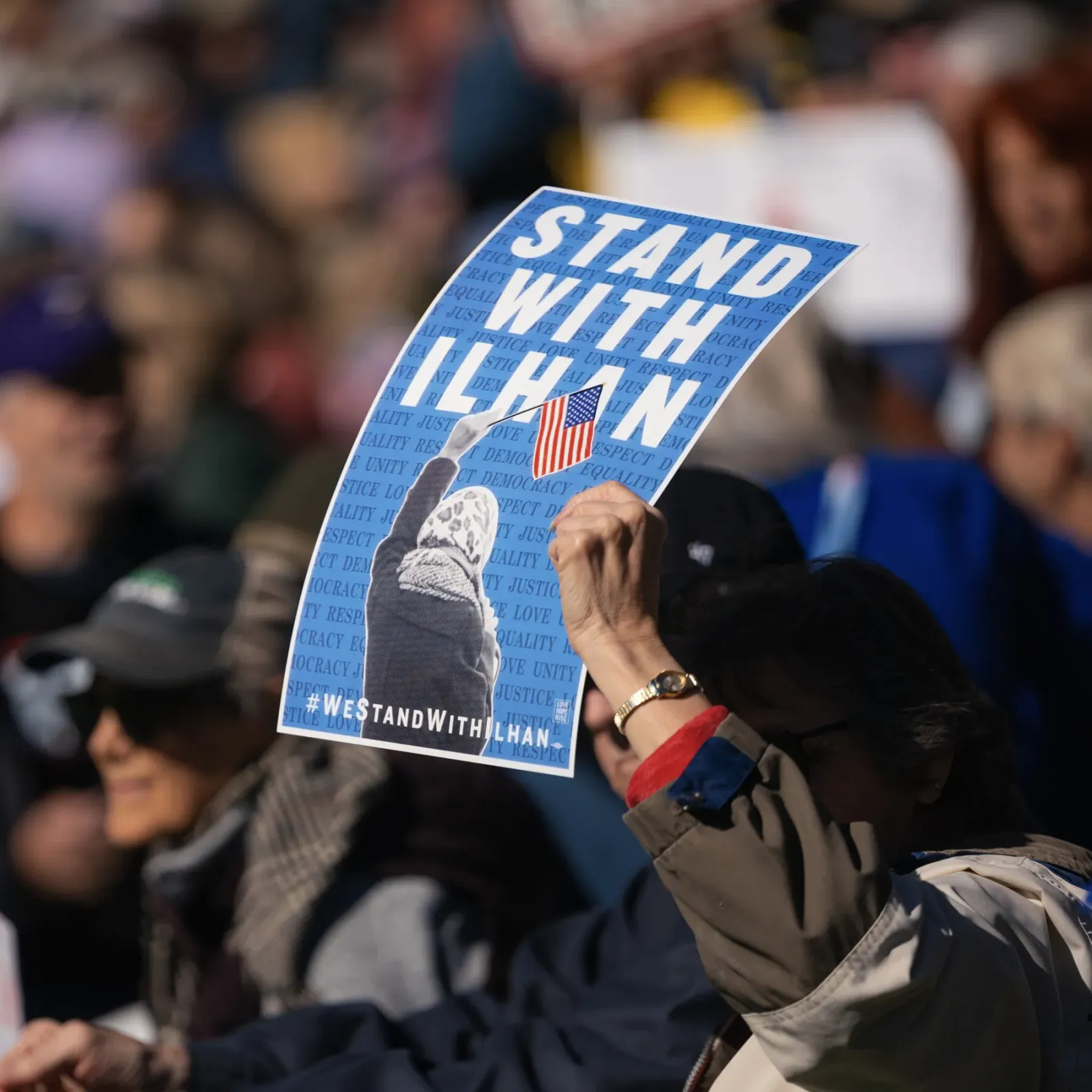
Obama Defends Ilhan Omar After Agents Search Her Home in Trump Inquiry
The former president's intervention raises the stakes in a federal probe into immigration paperwork that has put a prominent progressive lawmaker in the crosshairs.
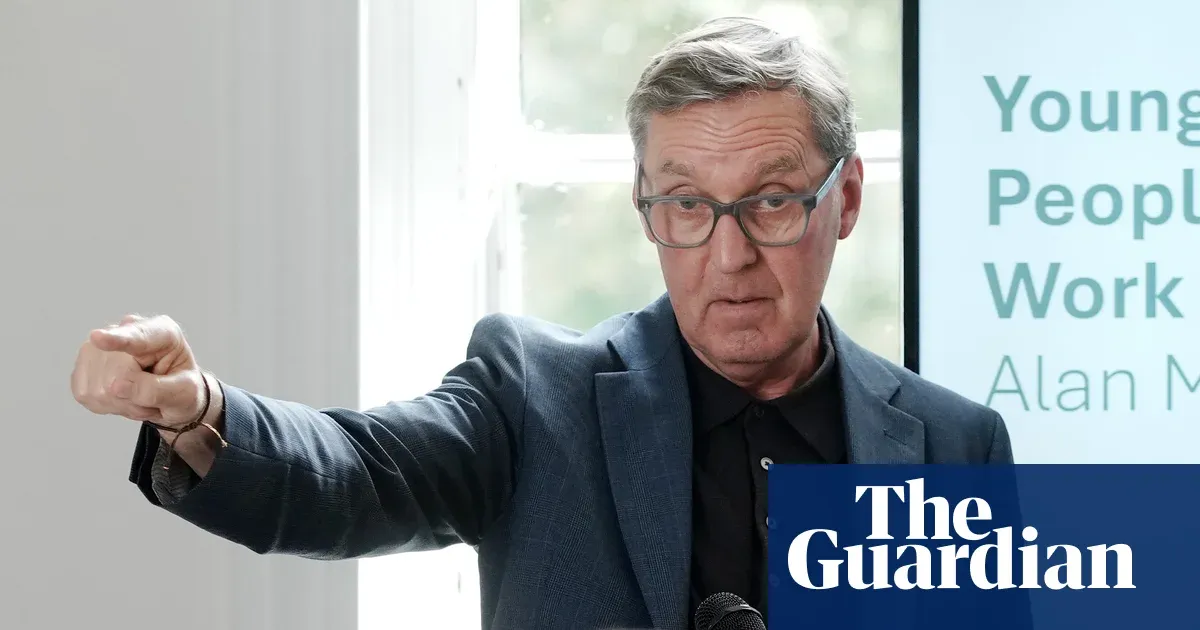
Blair-era minister: cut welfare to fund youth job support
Alan Milburn's call for welfare cuts to fund employment support opens a Labour fight over benefits and the Neet crisis.
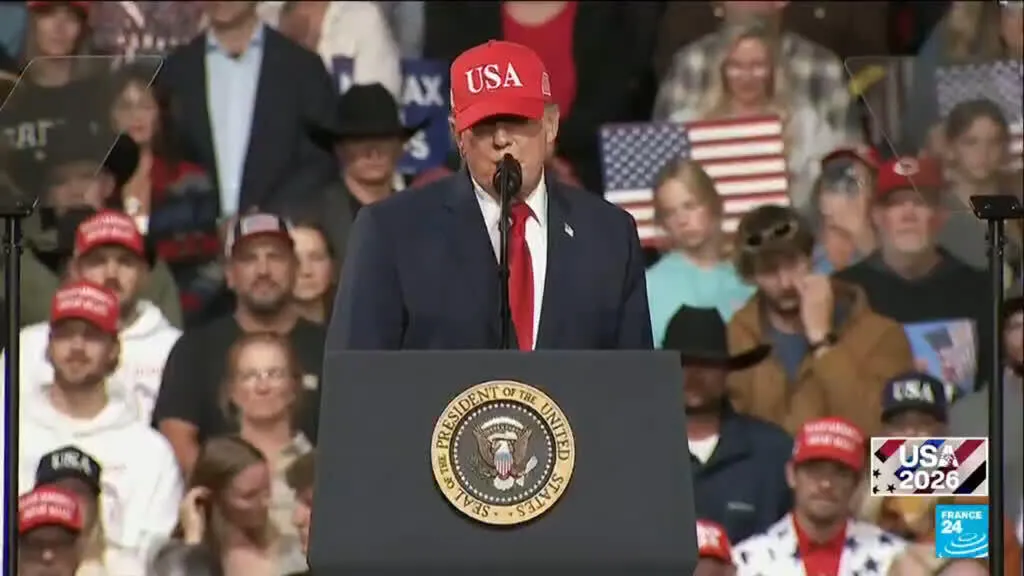
Hot September CPI: energy costs surge, voters feel the squeeze before midterms
The latest inflation print lands as Trump campaigns for GOP control of Congress, putting cost-of-living worries at the center of the midterm fight.