
Blade Director Bassam Tariq: We Cast a Marvel Movie With No Script
The Mahershala Ali Blade film died before cameras rolled, and its former director says the missing piece was the most basic one: a finished screenplay.

Director Bassam Tariq, previously attached to Marvel Studios' Mahershala Ali Blade movie, says the film fell apart because it never had a strong, complete script, even as casting and production build-out moved ahead. For executives, it is a case study in what happens when a release calendar and a brand commitment get funded ahead of the product itself.
Bassam Tariq, the director once attached to Marvel Studios' Blade, has now said out loud what the project's long public stall implied: there was never a finished script to shoot. In his account of the time he spent on the film, Tariq was candid that the lack of a strong, complete screenplay is what caused the Mahershala Ali-led Marvel Cinematic Universe movie to fall apart before it ever reached photography. His summary of the experience was blunt and a little rueful: "It was funny and strange to start casting and building without a proper script."
Sit with that sentence for a second, because it describes a sequence most people assume runs the other way. In the version of filmmaking the public imagines, a script exists, a studio says yes, and only then do actors get cast and sets get designed. Tariq describes the reverse: casting and building happening first, with the foundational document still missing. That is not a small procedural detail. It means money, calendars, and the careers of everyone involved were being committed against a story that had not been solved yet.
For context, this is not how development is supposed to work, and it is not how it usually works outside the franchise economy. A screenplay is the asset. It is what gets read, notes-ed, rewritten, and eventually budgeted. Casting typically follows a locked or near-locked draft because actors and their representatives want to know what they are saying and who they are playing. Production design follows casting because the look of a film is built around the people in it. When that order inverts, every downstream decision becomes provisional, and provisional decisions are expensive to unwind.
So why does it happen? Because a franchise slate is not a portfolio of scripts. It is a portfolio of dates. Studios with a multi-year release calendar and a corporate parent counting on predictable theatrical revenue have historically felt pressure to hold a slot, announce a title, and attach marquee talent long before the creative work is finished. The brand is the collateral. The date is the promise. The script is treated as a problem to be solved in parallel rather than a gate to pass through first. That model works when the creative team cracks it in time. When it does not, you get a project that is fully staffed, fully announced, and fundamentally unbuilt.
The cost of that failure is rarely visible on a single line item. A dead tentpole burns development spend, but it also burns something harder to price: the window when a specific actor was available, the year a director cleared from their calendar, the slot in a release schedule that now has to be filled or vacated. Studios can absorb a write-down. They cannot easily absorb the compounding delay across a slate, where one stalled film pushes decisions on the next three. And the reputational cost lands unevenly. The studio owns the brand. The director owns the story about why it did not happen.
That asymmetry is worth naming, because Tariq is doing something unusual here. He is not blaming a pandemic, a budget, or a creative disagreement. He is pointing at the absence of the most basic input. For anyone who has run a product organization, that should sound familiar. It is the enterprise that hires the team, signs the lease, and books the launch event before the product spec is written, on the theory that the deadline will force clarity. Sometimes it does. Often it just forces a reckoning.
The Mahershala Ali attachment makes the whole thing sharper. Ali is a proven, awards-caliber name, and his involvement was the kind of signal that makes a project feel real to investors, to fans, and to the press. But talent attachment is not a substitute for a locked script. It is a marketing asset with an expiry date, and it depreciates every month the film sits in limbo. The longer a star is attached to something that is not moving, the more the attachment becomes a liability for everyone, including the star.
For executives outside Hollywood, the transferable lesson is about sequencing, not cinema. A committed calendar is not a strategy. A famous name is not a product. A brand strong enough to announce something is not strong enough to make it exist. The projects that survive are the ones where the hardest, least glamorous work, the script, the spec, the architecture, gets finished before the announcements start. Tariq's line is funny because it is absurd. It is useful because it is a description of a failure mode that shows up in every industry that mistakes momentum for readiness.
This story's Key Insights and Take-aways are locked.
Create a free account to unlock Executive Actions for one credit.
Register to UnlockAlways free for Executives Club members. Join the Club
More in Entertainment
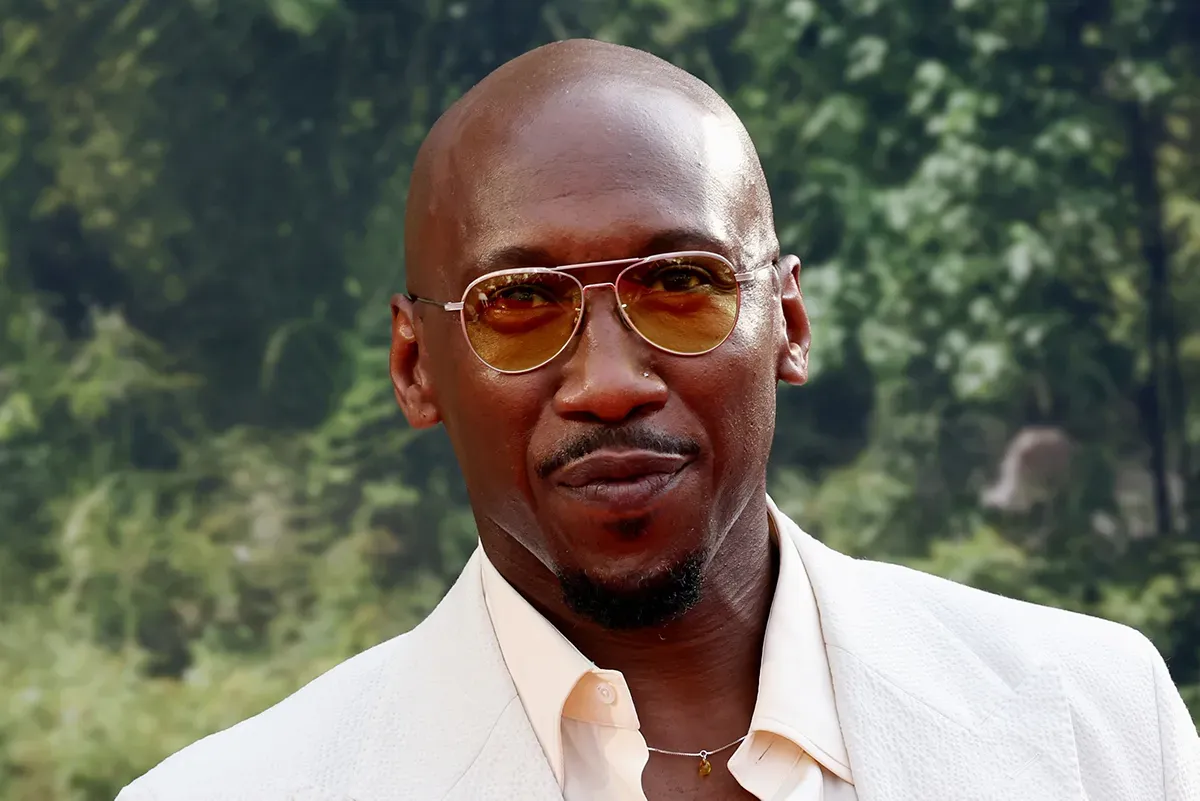
Mahershala Ali's Two Oscars Buy Him Nothing: 'There Are Not Roles for Me'
The two-time Oscar winner told the 7PM in Brooklyn podcast that his trophies do not unlock work in 'the vast majority of projects,' a blunt read on what Hollywood's franchise economy actually rewards.
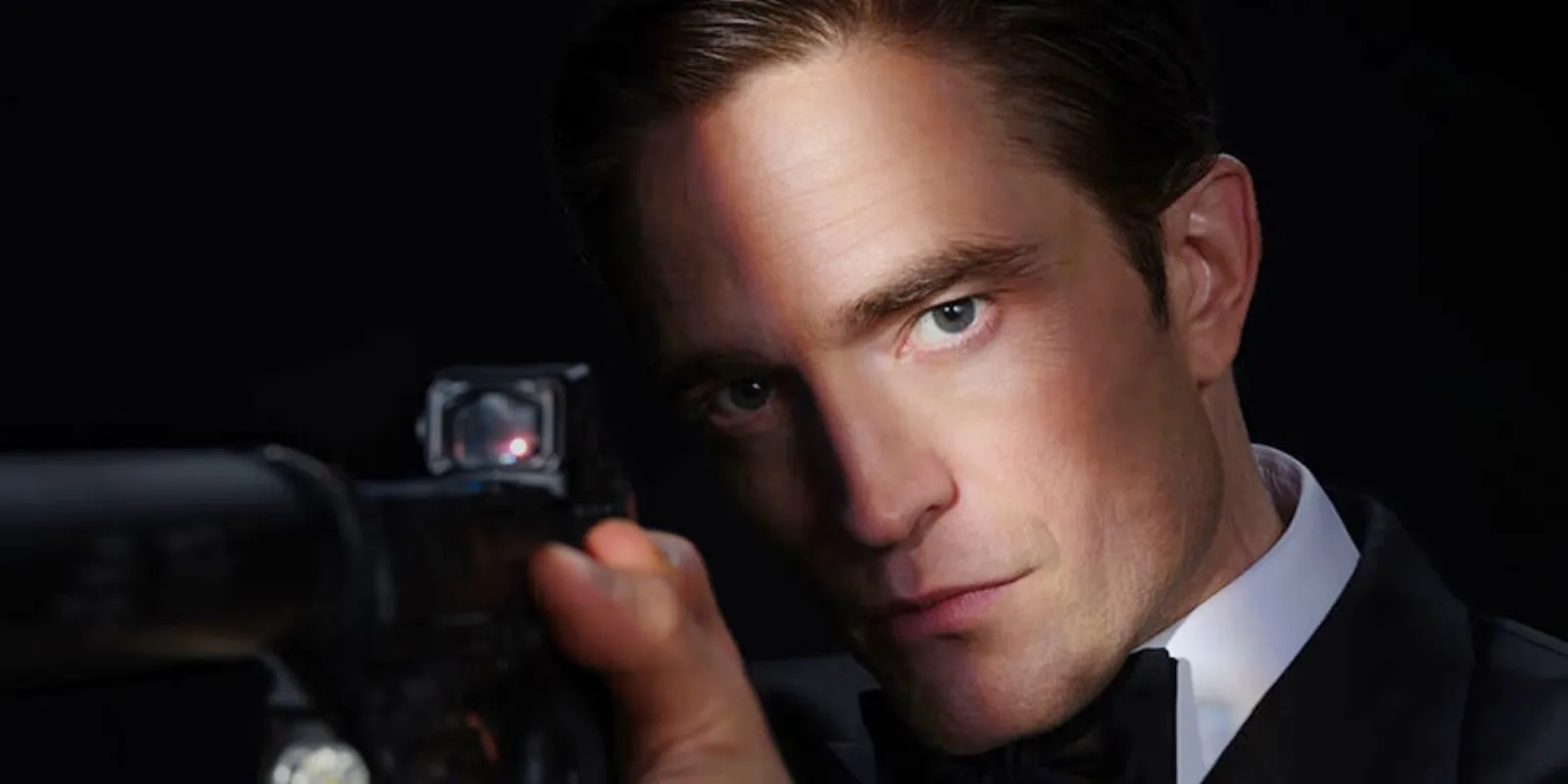
Robert Pattinson Is 007: Amazon's Bond Pick Sends a Divisive Film Surging
Amazon confirmed Pattinson as Bond under Denis Villeneuve, and within days the franchise's most controversial entry started climbing the streaming charts, a reminder that casting is catalog strategy.
GTA 6 Ate Nearly a Quarter of Comcast's Traffic on Its Biggest Day
Comcast says the November 19 launch pushed network traffic 31% above an average day, and the fine print on its own chart is the part operators should read twice.