

Blaze raises Super Pocket and Evercade cartridge prices as AI memory demand drives costs
UK and Europe get steeper tags as Blaze says it can no longer absorb sharp rises in memory and flash storage costs.
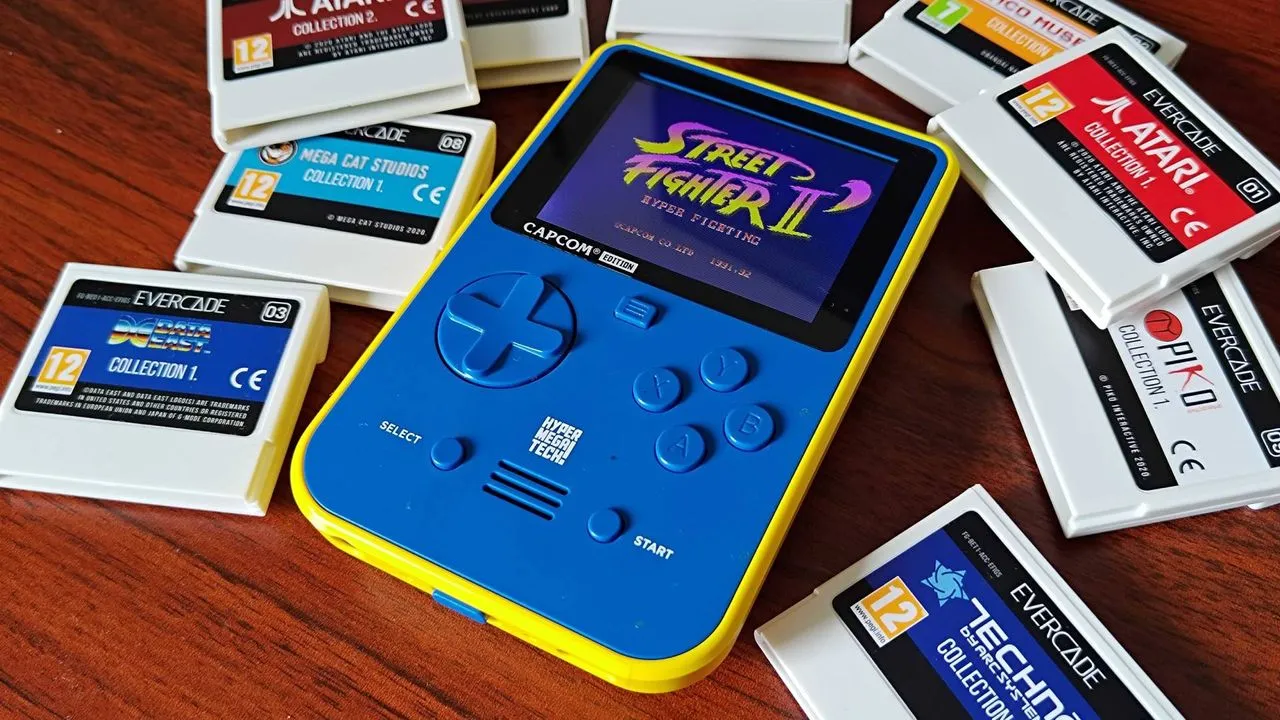
Blaze CEO Andrew Byatt announced price increases for the Super Pocket and Evercade cartridges in the UK and Europe. The change follows sharply higher memory and flash storage costs tied to AI component demand.
Blaze is raising prices for its cartridge-based Evercade system and its Super Pocket handheld in the UK and Europe, pointing to AI-driven demand for memory and flash storage. In a customer-facing update, Blaze CEO Andrew Byatt says the company “absorbed rising costs across manufacturing, components, and freight for as long as possible,” but that absorbing more is “no longer feasible.”
The numbers are specific, and that is what makes this hurt: Evercade cartridges increase from £19.99 / €24.99 to £24.99 / €29.99. The Super Pocket jumps from £49.99 / €59.99 to £59.99 / €69.99. Byatt also frames this as reactive rather than strategic theater, telling customers in an Evercade cartridge and Super Pocket announcement that “This is not a planned price rise, and it is not a decision we have taken lightly.”
To decode why this matters beyond one retro handheld: the bottleneck is the kind that doesn’t respect product categories. Blaze’s explanation zeroes in on the parts of the supply chain that AI demand has squeezed, saying, “memory and flash storage costs have risen sharply,” and that this is “affecting the whole consumer electronics market, including gaming.” That is the link leaders should care about, because it implies the cost pressure is not isolated to game consoles or even to gaming hardware. When the marginal cost of memory and storage rises, the hit lands everywhere that uses consumer electronics components, even when the device itself is not “high spec.”
There is also a timing story, and it is why operators and investors should pay attention to inventory mechanics. The article notes that, at the time of writing, Super Pocket models are still showing the original MSRP at Amazon. It calls out that the Rare Edition (with Banjo-Kazooie) is still listed for £49.95, and the Technos Edition remains the cheapest at £42.95. The suggestion is practical: price hikes may take effect once retailers’ current stock depletes. For boards and CFOs, that kind of transition period is where margin optimism can accidentally get ahead of reality, especially if sell-through lags or discounting starts to prop up demand.
The geographic angle adds another layer. The price increases do not apply in the US, where Evercade cart and Super Pocket prices are staying the same, according to the same source. Blaze’s CEO attributes some relief to regulatory trade effects, stating that “recent tariff reductions have helped us offset some of the pressure.” Put plainly: the same underlying component cost problem is being partially buffered by different market conditions. That means this is not just an engineering issue, it is a policy and pricing architecture issue. If you operate cross-region product lines, you now have a real example of how tariffs and tariff changes can offset hardware BOM swings, even when the component driver is global.
Zooming out to second-order implications for the broader handheld and physical media ecosystem: the article flags that this timing is unfortunate because consumer attention is already split between hardware affordability and the fate of physical game media. It references “news of Sony's plans to kill off physical PS5 games,” describing the broader community reaction as a “ruckus.” In other words, people looking for “bastions of physical gaming” may be more motivated to buy a hardware ecosystem like Super Pocket and keep building a collection. A price hike can still be rational if input costs rise, but it can also change the slope of adoption at exactly the moment curiosity is peaking.
Blaze’s messaging tries to blunt that impact by reminding customers what they get. The company says it will “remain focused on what we believe matters: physical products, officially licensed games, curated collections, no subscriptions, no complicated set-up and a growing library for players and collectors.” The source also notes other Evercade hardware lines are safe at the time of writing, citing the Evercade VS-R, EXP-R, and Evercade Alpha as not included in this particular increase. That matters because it suggests the company is not trying to reprice the entire portfolio equally, which can preserve some brand goodwill while it fixes the specific cost center affected by memory and flash storage pricing.
Finally, for leaders tracking the “AI component demand” theme, this is another datapoint in the ongoing RAM and storage squeeze that the article describes as “RAMageddon.” It connects the dot between AI data center growth and rising console MSRPs, then emphasizes the credibility of the claim by showing the cost pressure has reached an entry point. If a lower-cost cartridge-based handheld like Super Pocket is absorbing it, then the industry has a wide-ranging input cost inflation problem, not a niche luxury problem. That means peers should think about more than consumer backlash. They should plan for delayed pricing signals, retailer inventory gaps, cross-region policy offsets, and how much physical gaming demand can cushion higher tags.
For buyers and operators alike, the takeaway is blunt: the device gets more expensive in the UK and Europe, and Blaze says the cause is not optional. As the handheld ecosystem marches toward future releases, including the next big Evercade release on the cards for 2026, these price moves are the reality check that component markets, not just product calendars, set consumer timelines.
This story's Key Insights and Take-aways are locked.
Create a free account to unlock Executive Actions for one credit.
Register to UnlockAlways free for Executives Club members. Join the Club
More in Business

China lands a reusable Long March booster, a first that matches SpaceX and Blue Origin
A barge landing and net-based recovery move China from theory to proof, reshaping the reusability race and satellite ambitions.

AstraZeneca $27B wipeout as Wainua late trial misses cardiovascular target
A failed late-stage heart study triggered a swift market punishment, forcing investors and boards to reset timelines and risk.

Comcast shares jump 25% as it plans to split NBCUniversal and Sky
The tax-free spin-off could reshape focus, funding, and competition across media and tech for years.