

BMW plans a new electric SUV in South Carolina, even as rivals pull back
The automaker is doubling down on electric vehicles with a fresh South Carolina build, signaling a different bet on risk and payoff.
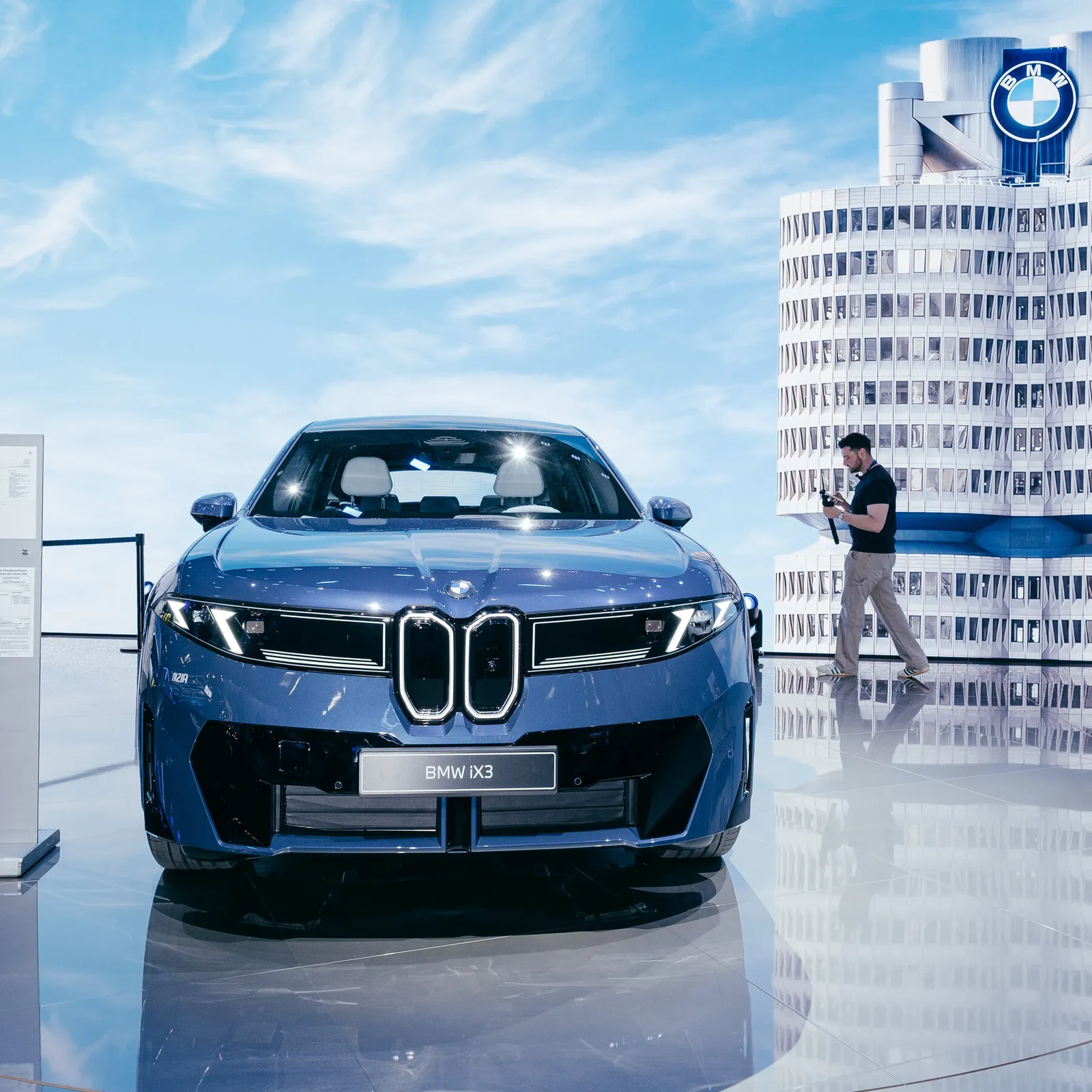
BMW will build a new electric S.U.V. in South Carolina, doubling down on electric vehicles. The move comes as other automakers pull back after acknowledging billions of dollars in losses.
BMW is moving forward with a new electric S.U.V. build in South Carolina, and it is doing it at a time when many of its peers are acting like the electric-vehicle timetable just got punched in the gut.
The key signal is the contrast. The German automaker is doubling down on electric vehicles. Other automakers, meanwhile, are pulling back after acknowledging billions of dollars in losses. That juxtaposition matters because it tells executives where the pressure is actually being managed: not only in products and plants, but in balance sheets, boardroom tolerance for downside, and how companies are choosing to spend capital when the EV story is simultaneously “strategic” and financially painful.
To understand why this is more than a plant announcement, you have to zoom out to how the industry is currently behaving. Electric vehicles are not just a technology shift. They are a multi-year capex decision, and they force companies to line up factories, suppliers, batteries, software, distribution, and service. When an automaker says it is pulling back after massive losses, it is rarely admitting it hates EVs. More often, it is reallocating capital, slowing timelines, or renegotiating investment risk because the near-term economics have not stabilized.
BMW’s decision reads like a deliberate choice to keep pushing while others retrench. Building a new electric SUV in South Carolina ties the company’s strategy to a specific geography and supply chain ecosystem. Once you commit to new manufacturing, you also commit to jobs, permitting, workforce training, logistics routes, and local industrial relationships. These are “stay in the game” moves. They say BMW is preparing for a future where EV demand, regulation, and competitive pressure justify continued investment, even if the last year or two have been brutal on the numbers.
That “even if” is the part investors and board members should care about. The source frames it plainly: other automakers are pulling back after acknowledging billions of dollars in losses, while BMW is doubling down on electric vehicles. In practice, that difference can cascade. If BMW is willing to spend and build during a period when rivals are reassessing, it could position itself to scale faster when demand catches up, assuming the market does what the long-term forecasts have promised. Or, if EV economics remain unfavorable for longer, BMW could face the same pressure others are already feeling, just with a different timeline.
Regulation is a big piece of the context here. In many markets, governments have tightened emissions requirements and have used policy to push automakers toward electrification. That does not guarantee EV profitability tomorrow, but it does shape what companies must do to stay competitive and compliant over time. For a board, this can become a question of strategic obligation versus financial discipline. A plant decision is a bet that the regulatory direction plus consumer adoption will eventually intersect in a way that makes the investment pencil out.
There is also a competitive dynamic at play. When peers pull back, it changes bargaining power across the ecosystem. Suppliers can get more cautious, labor markets can swing, and incentives in some jurisdictions can shift. Manufacturers that keep investing can also influence how quickly battery capacity, charging partnerships, and component supply ramp to meet future demand. That is second-order, but it is real. Capital deployment is not just about building cars. It is about shaping who has leverage in the next round.
For executives at automakers, suppliers, and investors with exposure to vehicle manufacturing and electrification, the stake is straightforward: BMW is signaling that its EV trajectory will not mirror the retreat others have adopted after acknowledging billions of dollars in losses. That means decision-makers should watch whether BMW’s South Carolina investment is paired with aggressive cost management, demand strategy, and product planning meant to survive the current volatility. If BMW is willing to double down when the market is spooked, the question becomes whether its boards are underwriting long-term compliance and scale, or whether they are taking on additional near-term risk to avoid falling behind later.
This story's Key Insights and Take-aways are locked.
Create a free account to unlock Executive Actions for one credit.
Register to UnlockAlways free for Executives Club members. Join the Club
More in Politics
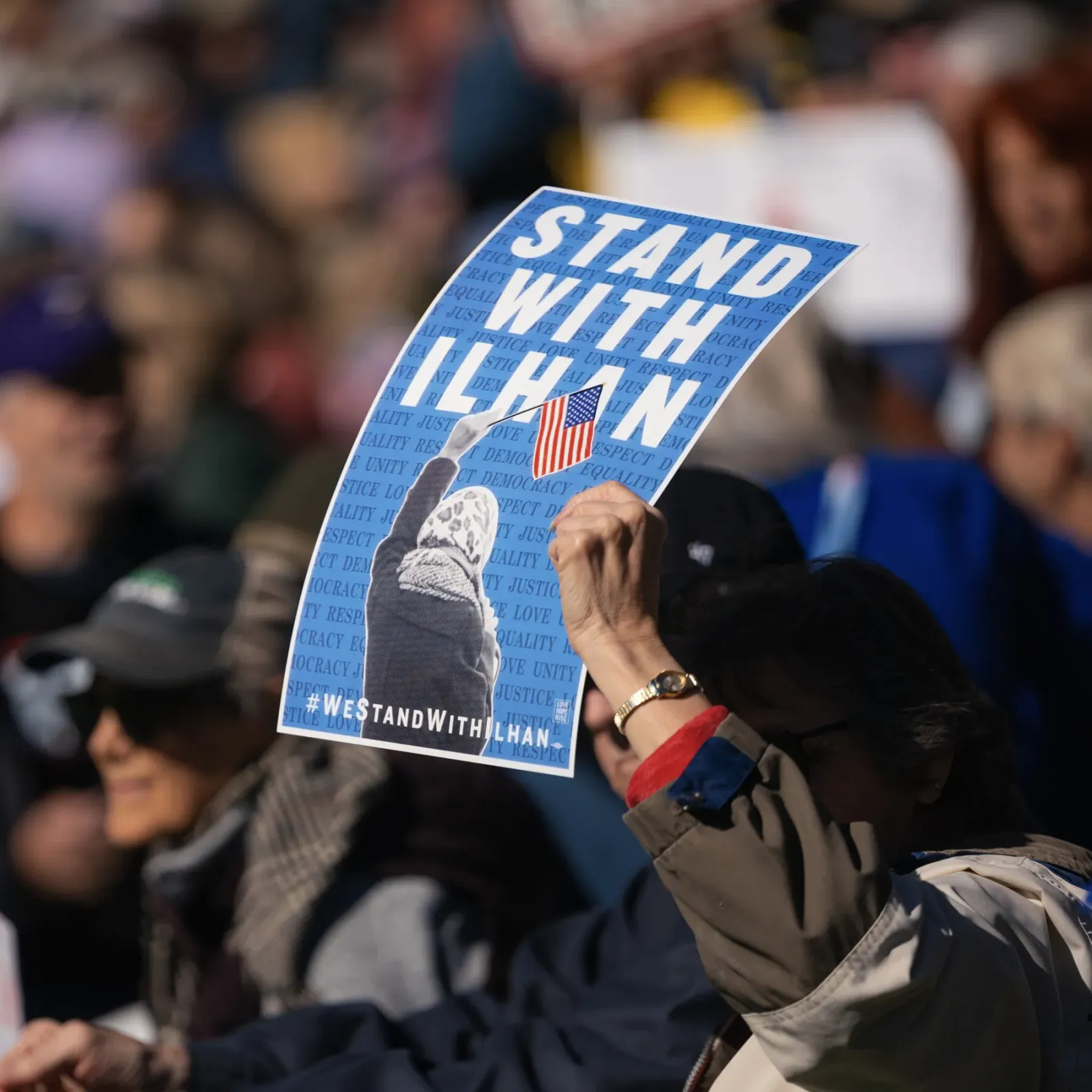
Obama Defends Ilhan Omar After Agents Search Her Home in Trump Inquiry
The former president's intervention raises the stakes in a federal probe into immigration paperwork that has put a prominent progressive lawmaker in the crosshairs.

Blair-era minister: cut welfare to fund youth job support
Alan Milburn's call for welfare cuts to fund employment support opens a Labour fight over benefits and the Neet crisis.

Hot September CPI: energy costs surge, voters feel the squeeze before midterms
The latest inflation print lands as Trump campaigns for GOP control of Congress, putting cost-of-living worries at the center of the midterm fight.