
Supreme Court rejects Trump’s birthright citizenship push on June 30, 2026
A 2026 Supreme Court ruling leaves citizenship tied to the Constitution for nearly everyone born on US soil.

On June 30, 2026, the Supreme Court rejected Trump’s bid to end birthright citizenship, ruling the Constitution guarantees U.S. citizenship to virtually everyone born on American soil. The decision constrains how future administrations can reshape immigration and citizenship policy through executive or agency action.
The Supreme Court shut down Trump’s attempt to end birthright citizenship, ruling that the Constitution guarantees U.S. citizenship to virtually everyone born on American soil. The decision, reported June 30, 2026, is not just a legal win for one administration or one election cycle. It is a structural limit on how much the federal government can retool immigration and citizenship outcomes through policy reversals.
If you are tracking this because you think courts are “slow” and politics “moves fast,” this one cuts the other way. The high court’s answer is blunt: the Constitution covers birthright citizenship. That means the next administration does not get an easy shortcut like “change the rule” and move on. For decision-makers watching immigration policy, labor market churn, and compliance costs, the baseline remains citizenship by birth, with federal authority over immigration not expanding into a constitutional override.
This matters beyond the headline because immigration policy in the US often functions like a stack. Congress passes statutes. Agencies interpret them. Courts review the edges. When the Supreme Court anchors a core constitutional principle, it changes the bargaining space for everything downstream. Agencies can still set enforcement priorities, asylum procedures, and detention policies, but the fundamental question of whether someone born on US soil is a citizen is pulled back from the policy menu.
And that is where the broader Supreme Court “supply chain” comes in. In the same span of late June reporting, the court is also loosening campaign finance rules, upholding bans on trans athletes from women’s sports, and ruling on issues like mail-in ballot counting. Separate cases, different subjects, same pattern: the justices are actively shaping the practical boundaries of executive power, electoral process, and civil rights. For executives in regulated industries, political risk is not abstract. It shows up as compliance plans, litigation budgets, HR policy, and reputational exposure.
On June 29, 2026, for example, the Supreme Court widened Trump’s power to fire agency leaders, while carving out an exception for the Federal Reserve. That Fed exception is a reminder that courts do not treat all institutions the same when they weigh control over independent power centers. On June 29, 2026, the court also rejected Trump’s challenge to counting late mail-in ballots, saying federal law does not bar a grace period for mail-in ballots postmarked by Election Day. Again, that is not “immigration policy,” but it signals how the court approaches statutory text and procedural guardrails.
Even when the issue is not immigration, the governance implications travel. If the court is willing to tighten or loosen power through case-by-case rulings, companies and boards need to assume a moving regulatory climate. Immigration intersects with labor and mobility. Citizenship intersects with identity documents, benefits eligibility, and the legal status of families. When birthright citizenship is reaffirmed, it reduces uncertainty in one fundamental area while shifting uncertainty to other areas the government can still influence, like enforcement posture and immigration administration operations.
There is also a political stakes layer here. The June 29, 2026 reporting described Trump’s election crusade hitting another wall at the Supreme Court, calling it a 5-4 decision and framing it as the latest snub on an issue described as a personal obsession. Whether you view the court as ideologically consistent or episodically unpredictable, the decision still lands the same way for operators: presidents do not control the final word on constitutional issues, and the Supreme Court can override the direction of travel.
At the same time, other Supreme Court stories in the feed show the court’s attention is not limited to high-profile culture war topics. There is also the judiciary’s role in outcomes tied to money and accountability, like the later June coverage of a self-exiled Chinese billionaire, Guo Wengui, receiving 30 years in US prison for a fraud conviction. While that is not connected to birthright citizenship, it is part of the same institutional reality: courts are where major narrative arcs end up being decided, including the ones that reshape business models and risk.
For executives and board members managing political and regulatory risk, the second-order lesson is simple. When the Supreme Court reaffirms a constitutional baseline like birthright citizenship, it narrows the set of plausible policy pivots and changes what agencies are allowed to do. That can help organizations plan. But it also increases the pressure to watch the remaining levers that are still in motion, because those are where future policy fights will concentrate.
This story's Key Insights and Take-aways are locked.
Create a free account to unlock Executive Actions for one credit.
Register to UnlockAlways free for Executives Club members. Join the Club
More in Politics
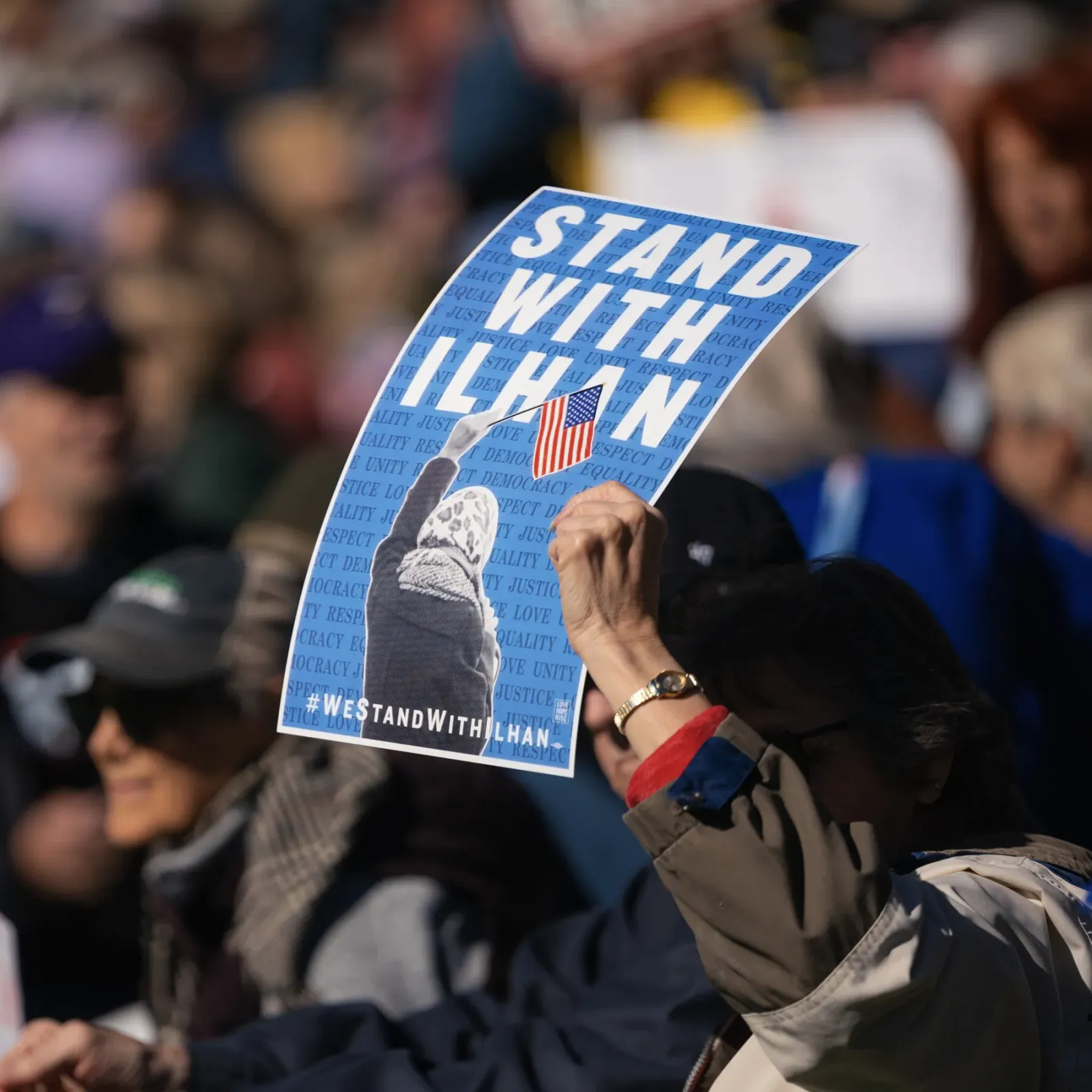
Obama Defends Ilhan Omar After Agents Search Her Home in Trump Inquiry
The former president's intervention raises the stakes in a federal probe into immigration paperwork that has put a prominent progressive lawmaker in the crosshairs.

Blair-era minister: cut welfare to fund youth job support
Alan Milburn's call for welfare cuts to fund employment support opens a Labour fight over benefits and the Neet crisis.
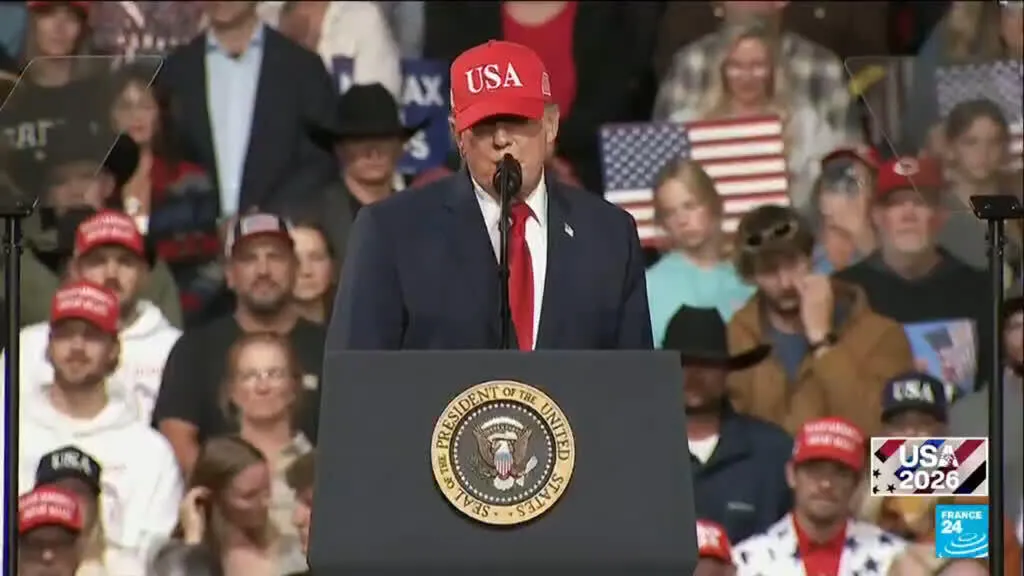
Hot September CPI: energy costs surge, voters feel the squeeze before midterms
The latest inflation print lands as Trump campaigns for GOP control of Congress, putting cost-of-living worries at the center of the midterm fight.