

Trump’s DOJ investigation targets gas prices after crude falls, experts warn reversal
A surprise gasoline drop gives a political boost, but DOJ scrutiny and fragile oil supply dynamics could flip the trend fast.

Donald Trump ordered the DOJ to investigate whether oil companies are gouging drivers after he posted that gas prices should be lower because crude oil prices declined. The unexpected drop is boosting his political standing, even as energy analysts warn the move could unravel if a ceasefire proves fragile or oil supplies tighten.
Here is the part to watch: Trump is leaning into a gasoline-price surprise, but he is also mobilizing the DOJ to investigate oil companies for allegedly gouging drivers. The post comes after declines in crude oil prices, and it is meant to reframe what drivers are paying at the pump. The political upside is obvious: if gas prices stay down, affordability becomes a talking point with real-world receipts.
But the “wait, what?” moment is that energy experts say they expected gas prices to stay high, and now the market is moving in the opposite direction. That gives Trump a political boost, In other words: the moment is good for him, but it is not locked in.
To understand why, you have to zoom out to how gasoline pricing usually behaves. Gas prices do not simply track crude oil in a straight line. They reflect a chain of factors, including refining margins, inventories, shipping costs, and regional supply constraints. So when crude falls, people assume gasoline follows. Sometimes it does. Sometimes it takes longer. Sometimes it moves less than expected. The source is pointing to a rare case where the drop arrives sooner than some experts expected, creating an opening for the White House.
That timing matters because Trump’s strategy is about narrative control. When gasoline prices drop unexpectedly, that is leverage on the campaign trail. When gasoline prices rise, it becomes a blame game problem. The DOJ investigation order is a signal that the White House does not want to leave the outcome to market forces and hope the trend continues. It is also a pressure tactic: even if the probe takes time, just initiating it changes the public conversation around who is responsible.
Now connect this to the broader geopolitical risk that could quickly reverse the market. Politico notes that analysts are warning about a “fragile ceasefire and tightening oil supplies” that could scramble the improvement. That warning matters beyond oil traders. Gas prices are a daily tax on households, and they also shape business costs, consumer spending, and how voters judge economic competence. If the ceasefire holds, the crude and product price environment may remain favorable. If it does not, supply tightening can reprice the whole stack, and the political boost can turn into political whiplash.
This is why the DOJ step is strategically interesting. Regulators and enforcement agencies rarely move prices day-to-day. But the perception of enforcement can push companies to change behavior, accelerate compliance efforts, or tighten messaging. Even if the investigation ultimately finds no wrongdoing, the White House gets something valuable: it positions itself as an active counterweight to alleged corporate pricing power. That framing can matter as much as the findings, especially during election season.
And the White House is already juggling multiple fronts where the timing of announcements and court decisions can shape headlines. Just in the same Politico feed, the court system is blocking a Trump order demanding the Postal Service restrict mail voting, which is described as a win for states challenging the effort ahead of a consequential November midterm. Separate from energy, the theme is the same: the administration is trying to move fast, but institutions like courts and regulators limit or redirect what happens. In gas pricing, the DOJ probe is another example of that “move fast, force the conversation” playbook.
There is also a technology dimension to how the administration manages risk and access. The feed includes stories about the Trump administration partially lifting Anthropic’s AI export ban to clear the way for a select group of companies and agencies to access the company’s Mythos 5 model, while a second advanced Anthropic model remains blocked. It also describes the administration stepping in to limit OpenAI’s latest model launch, requiring OpenAI to make its soon-to-be-released GPT-5.6 available to a small group of government-approved partners. Put simply: the White House is using selective approvals and enforcement levers across sectors.
For executives watching energy, transportation, and regulated markets, the second-order implication is straightforward. The market can move quickly, but policy moves faster on narrative and enforcement, and that combination can amplify volatility. If gasoline prices stay lower than expected, the political and regulatory heat can cool. If oil supply tightening arrives, crude gains can spill into gasoline quickly, and then the DOJ investigation narrative becomes a heavier political weapon.
The strategic stake for leaders is not just “what happens to gas prices.” It is what happens to expectations. Employees, customers, and investors often react to the story more than the numbers, because the story predicts the next number. Trump now has both: an unexpected decline at the pump, plus an enforcement posture aimed at the players he blames. That is a powerful combo, and it can either stabilize or destabilize decision-making across consumer-facing businesses depending on how the ceasefire and supply situation evolves.
This story's Key Insights and Take-aways are locked.
Create a free account to unlock Executive Actions for one credit.
Register to UnlockAlways free for Executives Club members. Join the Club
More in Politics
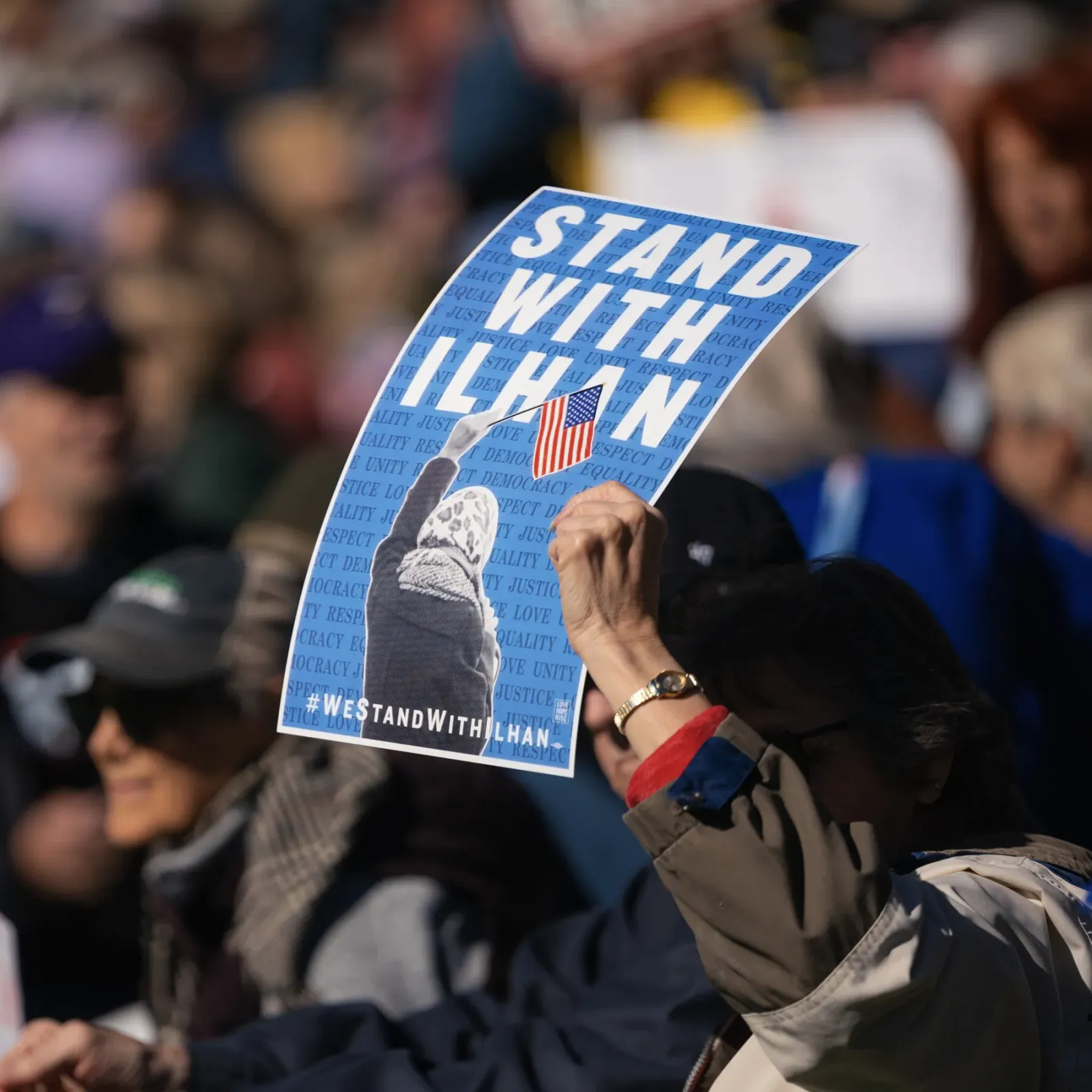
Obama Defends Ilhan Omar After Agents Search Her Home in Trump Inquiry
The former president's intervention raises the stakes in a federal probe into immigration paperwork that has put a prominent progressive lawmaker in the crosshairs.

Blair-era minister: cut welfare to fund youth job support
Alan Milburn's call for welfare cuts to fund employment support opens a Labour fight over benefits and the Neet crisis.
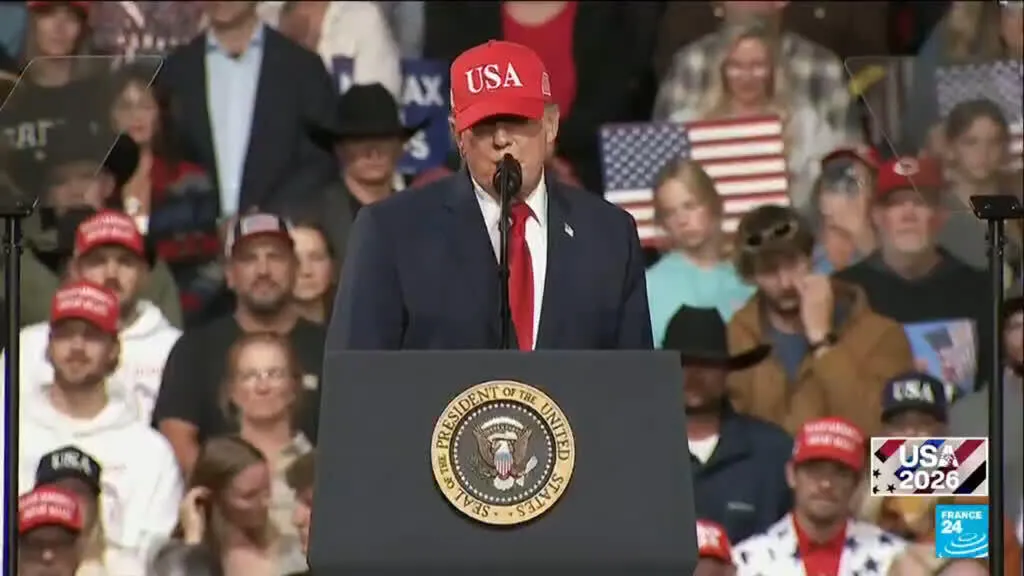
Hot September CPI: energy costs surge, voters feel the squeeze before midterms
The latest inflation print lands as Trump campaigns for GOP control of Congress, putting cost-of-living worries at the center of the midterm fight.