
Bugsy Malone at 50: Jodie Foster and Alan Parker fought over 6am starts and swearing
A behind-the-scenes chaos tour of Alan Parker's gangster musical spoof, and why it still hit.
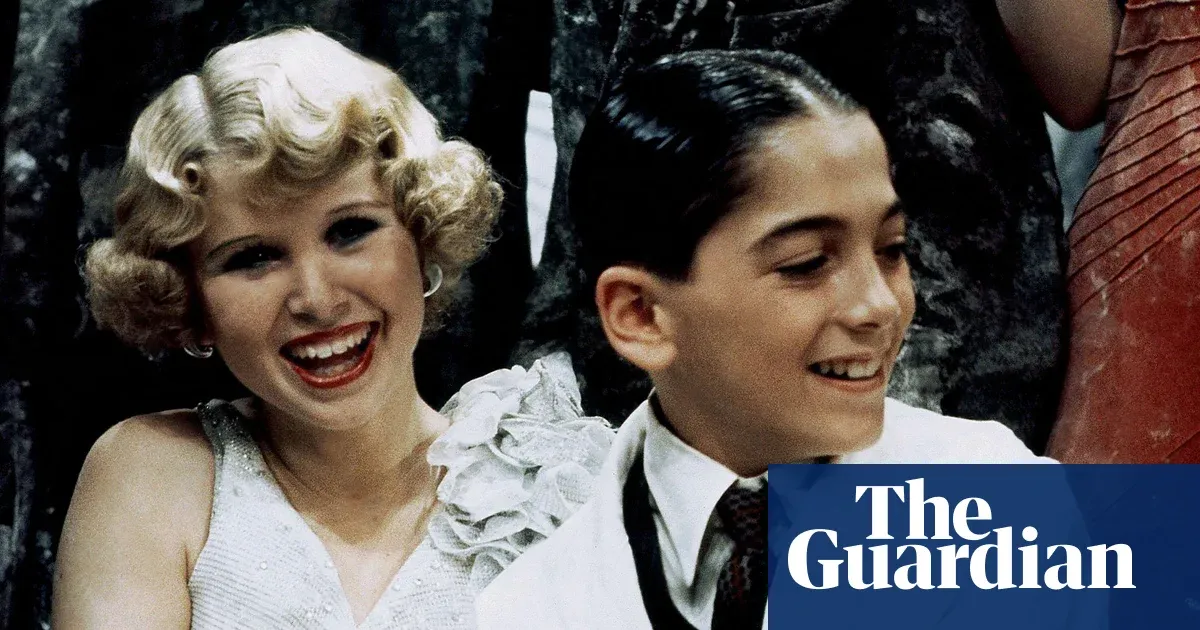
Alan Parker's Bugsy Malone, released 50 years ago, became a cultural oddity because it looked like nothing else, and the shoot was full of friction. The cast and crew recall everything from Jodie Foster’s hated 6am starts to Parker’s nonstop swearing, showing how off-screen intensity fueled an on-screen breakthrough.
When Bugsy Malone hit theaters 50 years ago, no one had seen anything quite like it. The wise-talking, rip-roaring spoof didn’t just parody gangster films, it rebuilt them from the ground up, mixing extravagant musical numbers with a cast made up entirely of child and teen actors. Even the props were a joke with a pulse: “splurge guns” that shot cream instead of bullets. The result was hilarious, startlingly original, and a delight to watch, and it earned its place as a classic. But the story of how it got made is just as wild as the movie itself.
Jodie Foster, one of the few experienced actors on set, hated her 6am starts. Alan Parker, the director, couldn’t stop swearing. And Dexter Fletcher was so traumatised by his haircut that it stuck with him. Those are not the kinds of details you expect to define a “classic movie” on the record. Yet they also explain something important for anyone who funds, ships, or greenlights creative work: the final product does not come from calm focus alone. It often comes from managing intense personalities, unpredictable conditions, and very real day-to-day friction while still protecting the creative vision.
On-screen, the movie is built around the kind of gangster narrative that mainstream audiences recognize instantly, then turns it into a musical farce. Scott Baio plays plucky Bugsy, a broke boxing promoter whose life spirals when he gets tangled up in a turf war between two rival gangs. One is led by Fat Sam, played by John Cassisi. The other is led by Dandy Dan, played by Martin Lev. This isn’t subtle. It’s a spoof that commits hard to the genre, then constantly undercuts it with absurdity, energy, and timing. The “wise-talking” angle matters too, because it gives the characters rhythm and confidence even though they are kids. It is a deliberate creative bet: lean into the grand language and swagger of gangster films, then make the whole thing feel childlike, playful, and slightly outrageous.
Foster plays Tallulah, the femme fatale. The choice to put a figure like that into a child and teen ensemble is part of why the movie felt like an event. It is not just “kids playing gangsters.” It is the whole gangster mythology, remixed. And while the audience gets the laughs and the musical spectacle, the production challenge is significant: everyone is young, the performance needs to land fast, and the physical comedy and stylized action (like the cream-firing “splurge guns”) still have to feel choreographed, not random. For decision-makers, that is the lesson hiding inside the comedy. When a project leans into a highly specific aesthetic, you have to treat execution as a system. If the system breaks, the joke dies.
Off-screen, the source makes clear that the drama was not manufactured for narrative flair. The cast and crew remember the same kind of mess you see in many high-stakes productions: early mornings, a director who swears a lot, and a young actor impacted by a look makeover. But Bugsy Malone is also a reminder that “chaos” is not automatically “failure.” The movie was released 50 years ago into a media environment that had not fully standardized the modern idea of genre mashups. A gangster spoof with extravagant musical numbers, powered by a youth cast and powered by gag weapons that shoot cream, was a genuine original leap for its time. That is why it still reads as fresh rather than dated. It didn’t just copy a vibe. It invented one.
There is also an industry implication in the cast makeup. Most of the other young actors were unknown at the time, but many would go on to become celebrated TV and film stars. That is a high-level risk that producers take when they bet on new talent, especially in a project with demanding performance requirements like musical numbers and genre acting. From a governance perspective, boards and investors might ask whether youth casting increases delivery risk. Bugsy Malone’s legacy suggests the answer can be “yes, but” and the “but” is that the upside is not only audience novelty. It can be long-term talent development and star-making, depending on how the production supports emerging performers and captures lightning in a bottle.
So what should executives take from a 50-year-old movie behind-the-scenes story? First, the creative “why” and the production “how” are inseparable. A director like Alan Parker might be known for swearing constantly on set, but the movie’s originality did not come from perfect calm. It came from a specific satirical target, an intentionally heightened tone, and a disciplined execution plan that still allowed for real human friction. Second, early conditions can become part of the film’s DNA. Foster’s hated 6am starts are not trivia, they are evidence that work gets made inside constraints, not outside them. Third, the kind of stakes that matter here are creative stakes, not regulatory ones. Yet those creative stakes mirror modern project realities: if your schedule, your rehearsal cadence, and your morale management break, the final release will show it.
Bugsy Malone did something rare: it managed to be ribald and structured at the same time, and it made a gangster spoof feel like an event rather than a throwaway gag. Fifty years later, the most useful takeaway is not that kids can act, or that a cream gun can be funny. It is that originality survives intense conditions when the production holds its vision and treats off-screen stress as something to manage, not something to pretend doesn’t exist.
This story's Key Insights and Take-aways are locked.
Create a free account to unlock Executive Actions for one credit.
Register to UnlockAlways free for Executives Club members. Join the Club
More in Politics

Glacial collapse, not rain, killed 180 in Nepal's Himalayan flood
The Himalaya's extreme geography hid the true cause of Nepal's catastrophic flood, a glacial collapse that turned a geological battleground into a mass-casualty zone.

Iran’s Esmail Baghaei says Oman talks start shipping via Hormuz, not US talks yet
Temporary route plans with Oman aim to restart commerce while Tehran says Washington dialogue is not on the table.

Standards watchdog opens probe into Reform UK deputy leader Richard Tice over interests
The parliamentary standards commissioner says it began an investigation on 28 July into a possible undeclared interest.