

Burnham promises devolution in Manchester speech after No 10 bid launch
Why the devolution pledge matters for the next UK economic playbook and how markets might read it.
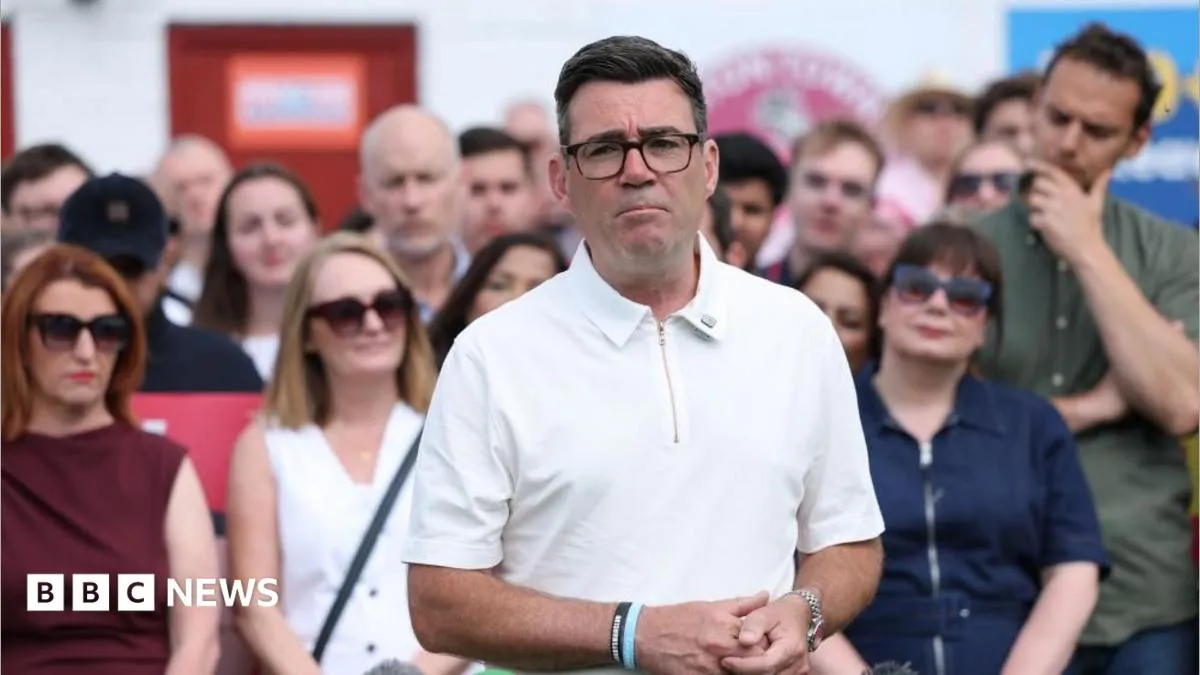
Andy Burnham, the favourite to be the next prime minister, will set out his economic vision in a Manchester speech. The speech is his first major address since launching his bid for No 10, and it signals how he wants power and budgets to move.
Andy Burnham will promise devolution in his first major speech since launching his bid for No 10. He is set to deliver the address in Manchester, and the subtext is hard to miss: when a political frontrunner talks about economics, the real question is who gets to control the levers and where the money goes.
The “favourite” tag matters because it turns a policy theme into something closer to a roadmap. If Burnham frames economic strategy around devolution, he is effectively arguing that growth, investment, and delivery are more likely to happen when decisions sit closer to regions than when they are centralized. In a UK context, that is not just a governance debate. It is about how national priorities translate into local infrastructure, skills, business support, and the regulatory environment that companies experience day to day.
To understand why decision-makers should pay attention, you have to look at how devolution usually works in practice. When power shifts to regional bodies, budgets, timelines, and the “who decides” question change. That can speed up some approvals and make policy more tailored. But it can also create unevenness across places, because regional capacity and political alignment differ. For executives, the second-order effect is that a single national economic narrative can split into multiple regional execution paths. That affects demand forecasting, site planning, hiring, and how firms structure public-private partnerships.
There is also a market psychology angle. Economic vision speeches are often read as signals about future policy risk. Devolution touches not only spending and planning but also the regulatory framing that firms operate under. Even without specific details in the source, the fact that Burnham chose devolution as the focus for his first major post-launch speech suggests he wants to anchor his economic pitch around institutional design: who has the authority, how accountability is measured, and what kind of investment certainty businesses can expect. In political transitions, clarity is currency, and early messaging can influence how cautious stakeholders become.
Timing is part of the story too. The BBC describes Burnham's speech as his first major one since launching his No 10 bid. That makes it a “positioning moment,” not a filler appearance. Early speeches typically set the terms of the campaign, establishing which issues he intends to own and which coalition partners he intends to reassure. Manchester is not an accidental stage. It puts devolution symbolism in a major economic city, where local growth stories are immediate and where regional autonomy is not an abstract concept but a lived reality.
For other would-be leaders and their teams, Burnham’s choice raises the bar. If he is the favourite, rivals will need to respond to his framing, either by arguing for more central control, offering a competing model of how regions should govern, or reframing devolution as a means rather than an end. That creates a pressure-cooker dynamic inside party politics, and it can spill over into how quickly policy details emerge. For executives watching from the sidelines, that matters because policy uncertainty affects investment cycles. A delayed or muddled political answer can freeze decisions, while a coherent plan can unlock them.
There is another practical implication for boards and investors: devolution changes the stakeholder map. Projects that previously depended on national departments can become contingent on regional authorities, combined authorities, and local delivery agencies. Procurement timelines can shift. Compliance responsibilities can move. Even when overall rules stay similar, the process around them can change. When a political favourite publicly commits to devolution, it is a reminder to re-check where decision bottlenecks are likely to be under the next government.
So the strategic stakes are bigger than one speech in one city. Burnham is using his launch moment after entering the No 10 race to connect economic vision with the distribution of power. If he delivers a convincing economic rationale for devolution in Manchester, he sets expectations for how the next prime minister might handle growth and investment across the UK. For anyone making major decisions in the meantime, the message is clear: watch how devolution is framed, because it can reshape how quickly policies turn into outcomes.
This story's Key Insights and Take-aways are locked.
Create a free account to unlock Executive Actions for one credit.
Register to UnlockAlways free for Executives Club members. Join the Club
More in Politics

Obama Defends Ilhan Omar After Agents Search Her Home in Trump Inquiry
The former president's intervention raises the stakes in a federal probe into immigration paperwork that has put a prominent progressive lawmaker in the crosshairs.

Blair-era minister: cut welfare to fund youth job support
Alan Milburn's call for welfare cuts to fund employment support opens a Labour fight over benefits and the Neet crisis.
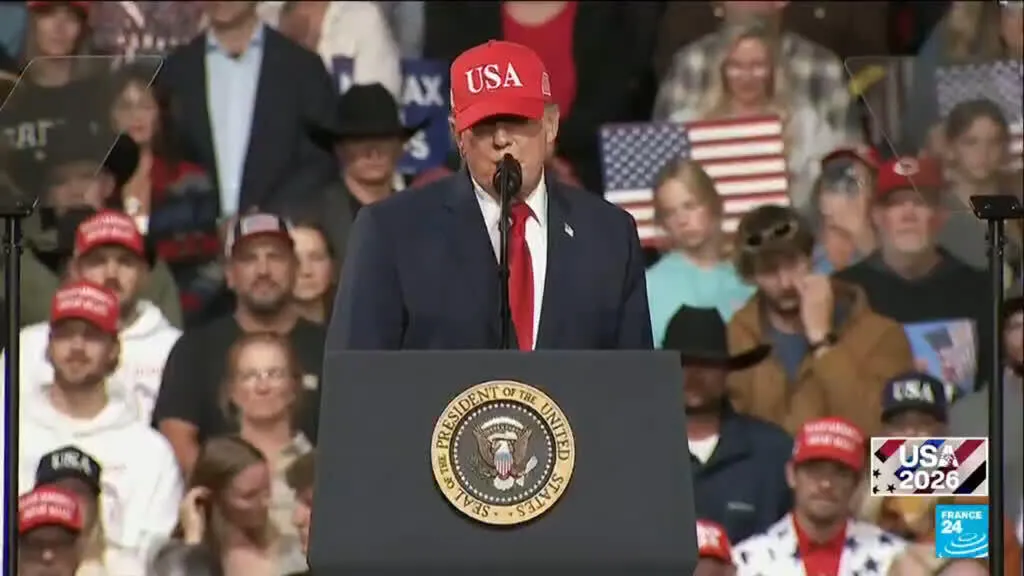
Hot September CPI: energy costs surge, voters feel the squeeze before midterms
The latest inflation print lands as Trump campaigns for GOP control of Congress, putting cost-of-living worries at the center of the midterm fight.