
Caracas jolts again as aftershock hits Monday; Venezuela rescue teams push into fourth day
A new aftershock shakes Caracas while response crews keep working around the clock, raising the stakes in an already fragile moment.

Caracas residents woke up Monday to an aftershock that rocked their houses as rescue teams continued their fourth day of round-the-clock work in areas affected by last week's powerful earthquakes in Venezuela. For decision-makers, the shift from the initial quake response to a prolonged, urgent rescue phase increases operational and governance pressure in crisis management.
Caracas residents woke up on Monday to an aftershock that rocked their houses. At the same time, rescue teams continued their fourth day of round-the-clock work in the areas affected by last week's powerful earthquakes in Venezuela.
That combination is the story. When a second jolt hits the capital while responders are already deep into a multi-day operation, it does more than extend the news cycle. It turns an emergency into a sustained test of logistics, coordination, and physical safety. In the early hours after any major quake, priorities usually cluster around immediate search and rescue. But an aftershock during the fourth day compresses decision-making even further, because every additional tremor can shift risk, slow access routes, and force crews to constantly reassess where they can safely operate.
For executives, this is a reminder that disasters do not behave like neat, linear timelines. Relief efforts typically ramp up, but the “steady state” of response is where organizations can get caught off-guard. The source reports rescue teams are working around the clock, which implies continuous staffing, ongoing coordination, and the need to keep supplies moving even as conditions remain unstable. In practical terms, that means the crisis is no longer just about the quake that started it. It becomes about maintaining readiness under uncertainty, when the environment itself can change without warning.
There is also a governance angle hiding in plain sight. Earthquake response in Venezuela is already shaped by the aftermath of last week's powerful earthquakes, and the Monday aftershock underscores that the situation can remain volatile for residents and responders alike. When response operations run for multiple days, questions inevitably grow louder for leaders in affected sectors, from emergency management to infrastructure operators, and for companies supporting relief through contracting, supply chains, or local partnerships. The operational reality becomes a test of whether plans are durable, whether communication channels hold, and whether teams can adapt to new risk signals without stalling critical work.
From a second-order perspective, prolonged disaster response changes what “success” looks like for boards and leadership teams. In a single-day event, metrics might center on immediate outputs: speed of mobilization, number of teams deployed, or time to reach affected zones. By the fourth day, the emphasis tends to shift toward sustaining effectiveness: maintaining pace, preventing gaps in coverage, ensuring the safety of personnel, and continuing to support rescue operations as conditions evolve. The aftershock described by the source is exactly the kind of development that can cause sudden operational recalibration, because it affects both the physical setting and the urgency around protective actions.
For partners and observers outside Venezuela, the story also lands as a global lesson in how quickly “temporary” disruptions can become long-running, high-intensity situations. Even when an event begins as a localized emergency, the longer it persists, the more it can ripple into regional planning, public expectations, and the broader ecosystem of suppliers and support services. The source notes the rescue teams are still in critical hours. That phrasing signals that the window for impactful rescue work remains open, but it also suggests a race against worsening conditions, including the ever-present possibility of additional aftershocks.
So what should an executive take from this? Not a playbook for earthquakes, because the source does not provide operational instructions. Instead, the actionable takeaway is about leadership under uncertainty. An aftershock in Caracas while rescue crews are working their fourth day around the clock is a concrete example of why crisis response needs to be resilient, not just rapid. If you lead a company, manage a partner network, sit on a board, or oversee risk, you should treat these phases as structurally different. The initial scramble is only the beginning; the sustained operation is where plans get stress-tested and where coordination becomes the real competitive advantage.
This story's Key Insights and Take-aways are locked.
Create a free account to unlock Executive Actions for one credit.
Register to UnlockAlways free for Executives Club members. Join the Club
More in Politics
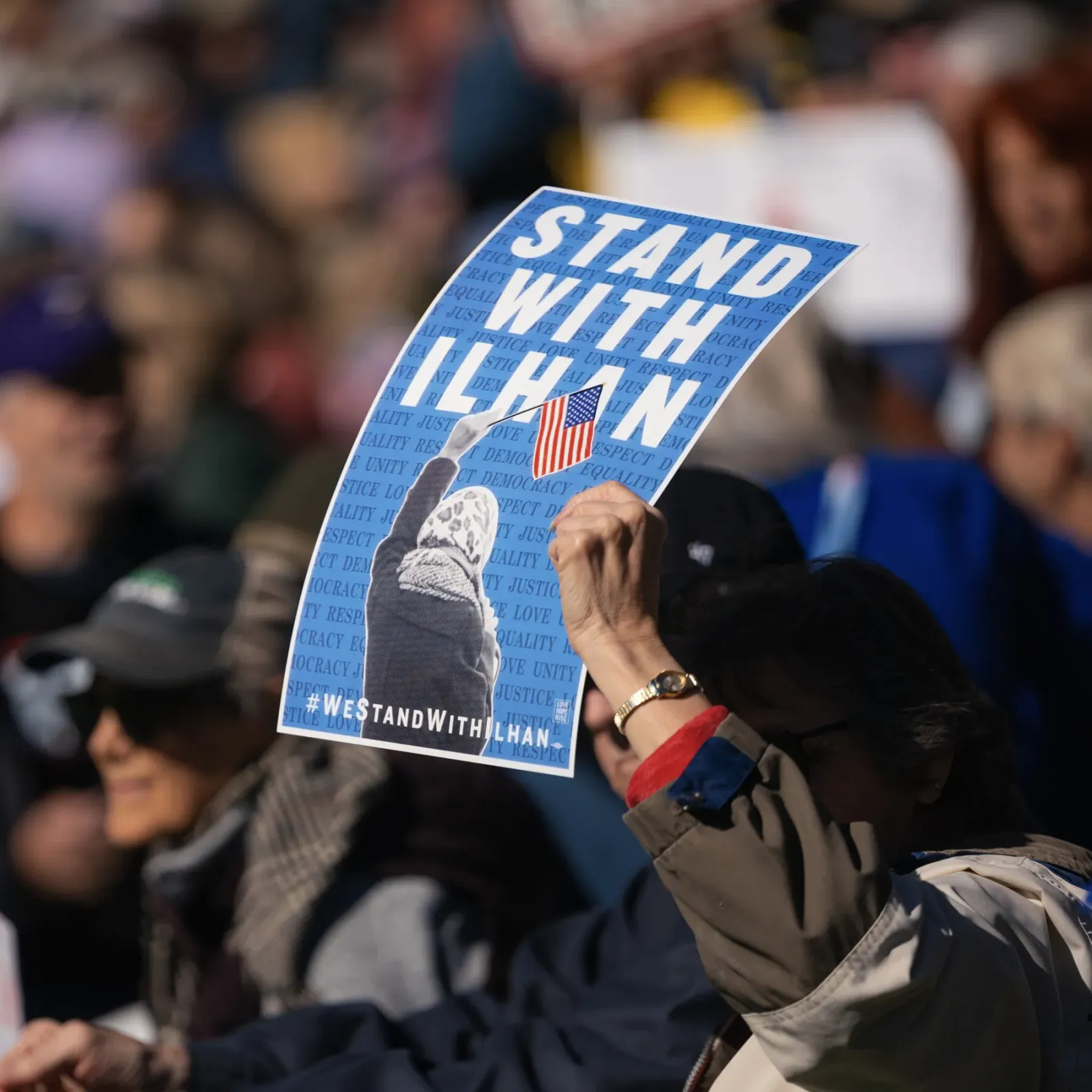
Obama Defends Ilhan Omar After Agents Search Her Home in Trump Inquiry
The former president's intervention raises the stakes in a federal probe into immigration paperwork that has put a prominent progressive lawmaker in the crosshairs.

Blair-era minister: cut welfare to fund youth job support
Alan Milburn's call for welfare cuts to fund employment support opens a Labour fight over benefits and the Neet crisis.
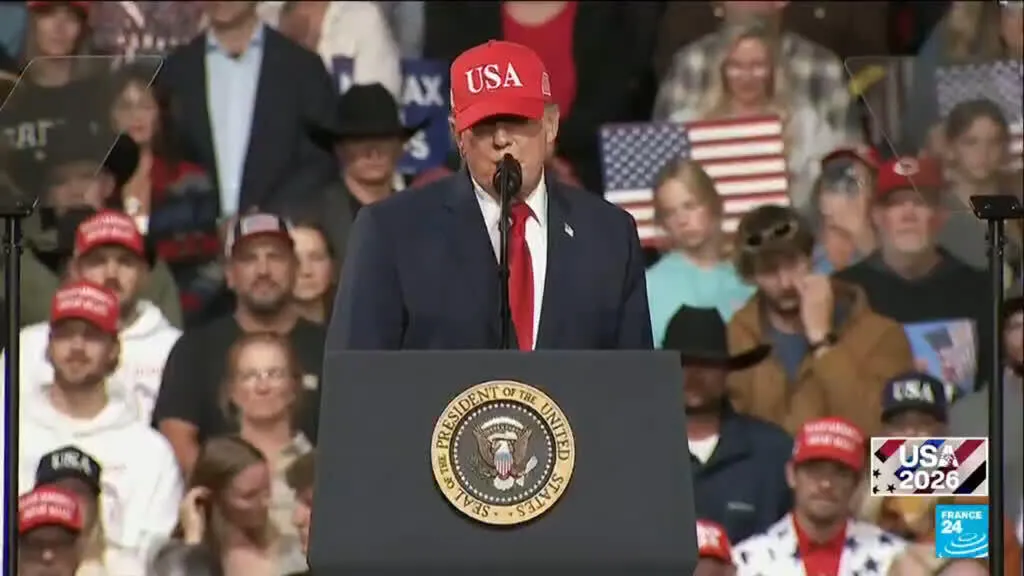
Hot September CPI: energy costs surge, voters feel the squeeze before midterms
The latest inflation print lands as Trump campaigns for GOP control of Congress, putting cost-of-living worries at the center of the midterm fight.