
Carly Simon releases “Howl” and readies her first original album since 2008
New music from Carly Simon, including “Howl” from Comes in Waves, marks a rare return to original songs.
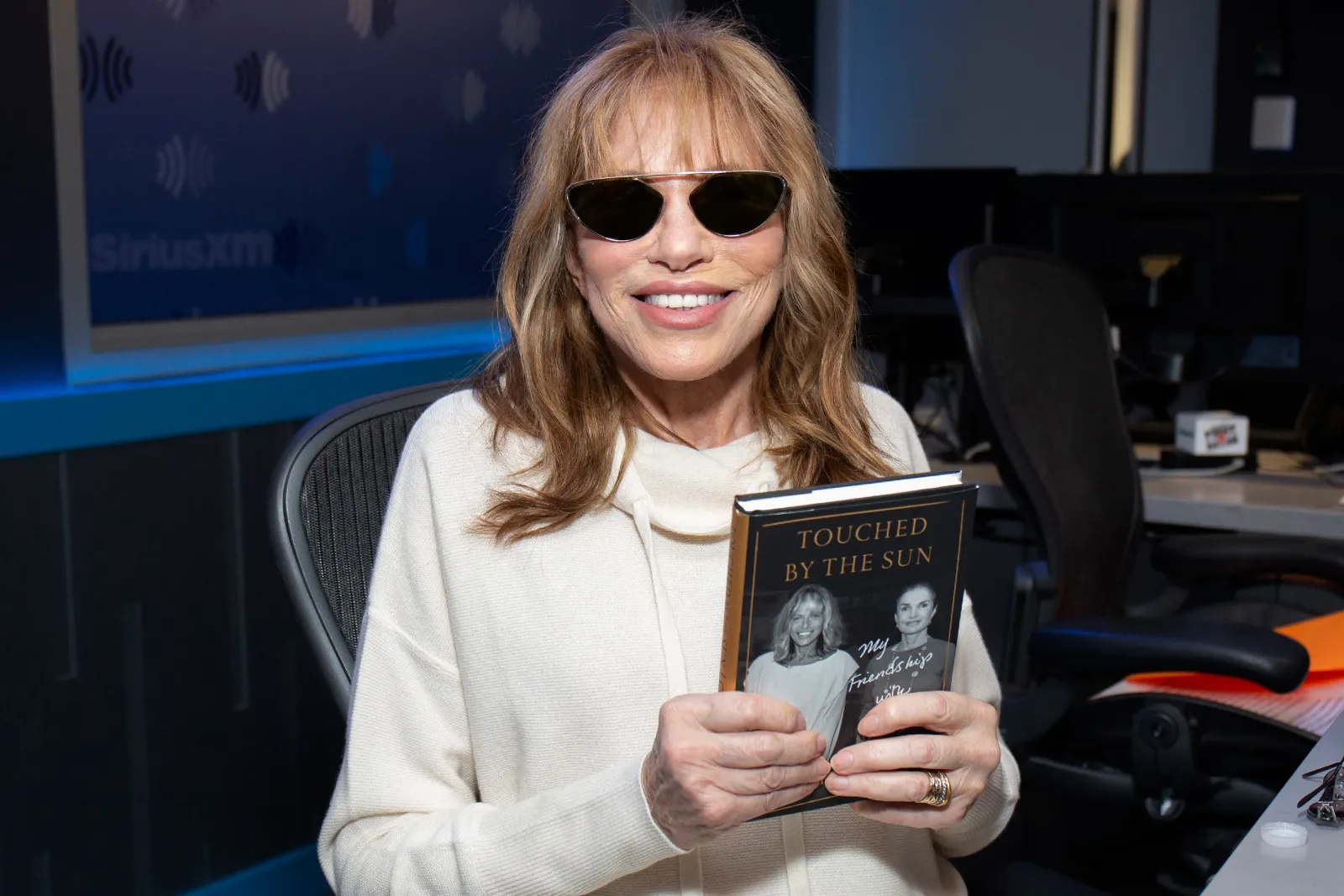
Carly Simon is readied her first album of original songs since 2008, and the first taste is “Howl” from Comes in Waves. For decision-makers tracking legacy artists, this return signals how brand equity can translate into new release momentum.
Carly Simon is back with “Howl,” a new track from Comes in Waves, and she is also preparing her first album of original songs since 2008. For anyone who follows how music careers evolve, this matters because Simon is not just releasing a song. She is stepping into a longer-form comeback after more than a decade away from original full-album cycles.
The headline detail is the timeline. A first album of original songs since 2008 is a big gap in pop culture years, and “Howl” is the entry point. That single moment, choosing what to put forward first, functions like a strategic signal to listeners and the industry at large: she is setting expectations for the sound and the stakes of the project right now, rather than letting the album’s arrival do all the work.
Now, zoom out beyond the artist. Long gaps change the incentives for everyone around a release. Labels, management teams, marketers, and distributors do not treat these launches like routine product drops. Instead, the question becomes: can the existing audience convert into repeat listening without a steady stream of intervening material? For legacy artists, brand equity is real, but it does not automatically equal attention. A comeback release is a test of relevance, not just popularity. It also becomes a test of how well the artist’s catalog still performs as a discovery engine.
There is also a practical side that executive teams care about: the “first taste” strategy. By leading with “Howl” from Comes in Waves, the project is effectively borrowing momentum from early engagement. In an era where listeners often decide what to care about in minutes, the first track acts as a filter. If it lands, it buys time and credibility for the next marketing steps. If it does not, it can force teams to adjust, quickly.
This is where platform dynamics intersect with business outcomes. Even with a huge name like Simon, distribution channels shape how a release is experienced. Streaming and digital promotion reward songs that can travel. A track like “Howl” is designed to be shareable, replayable, and easy to attach to playlists and cultural conversation. The album, in contrast, requires more patience from the listener. That is why the sequencing matters. Executives looking at release strategy should watch how the project bridges the gap between a single song’s instant shelf life and an album’s slower burn.
Regulatory and policy context may feel far away from a music release, but it matters in the background. Music rights, licensing, and royalties are governed through a mix of statutory rules and contractual norms that vary by territory. When an artist returns with original material, rights administration has to move fast, and systems must correctly route metadata, ownership, and usage. That operational reliability is critical because a release that is popular generates more activity, and more activity means more chances for the paperwork to become the bottleneck. In other words, a comeback is not only creative. It is also administrative execution under time pressure.
The second-order implications show up for peers as well. When a major artist like Carly Simon prepares a first original album since 2008, it reminds other executives that legacy acts still have a viable path to new output, not only nostalgia-led catalog campaigns. But it also underlines the risk profile: a long absence means the next release has to reintroduce the artist’s current identity. Boards and leadership teams should treat “return to original songs” as a different category of bet than “new edition,” “remaster,” or “compilation.” Original albums require renewed confidence in audience demand.
Finally, Comes in Waves is positioned as the next chapter, with “Howl” acting as the opening scene. If “Howl” draws listeners, it validates the strategy of using a single track to re-establish connection before the full album lands. If it performs strongly, it can also extend the value of Simon’s broader catalog by driving new discovery and re-listening. Either way, this is a real operational moment for the people around her, and it is a real cultural moment for the rest of the industry watching whether legacy creative brands can still generate new momentum.
Note: The source provided here only specifies that Simon is readied her first album of original songs since 2008 and that listeners can hear “Howl” from Comes in Waves.
This story's Key Insights and Take-aways are locked.
Create a free account to unlock Executive Actions for one credit.
Register to UnlockAlways free for Executives Club members. Join the Club
More in Entertainment

On June 11, ARIA inducted six acts at once, breaking its Hall-of-Fame tradition
The 2026 ARIA Hall of Fame ceremony made it a one-night superclass, spotlighting Gurrumul, Jenny Morris, Kate Ceberano and more.

Celebrity Row turns NBA Finals fashion into viral merch, from Chalamet to Taylor Swift
Hollywood fashion is redefining what counts as “team gear,” and decision-makers should treat it like a distribution channel.

Spike Lee would trade an Oscar “in a second” for a Knicks championship
The Oscar-winning filmmaker ties his public film legacy to a lifetime Knicks obsession and reveals how far he'd go.