

China car sales are set to tumble 20% into the worst year since 2021
A post-2025 demand hangover turns into a supply and pricing headache for automakers, lenders, and investors.
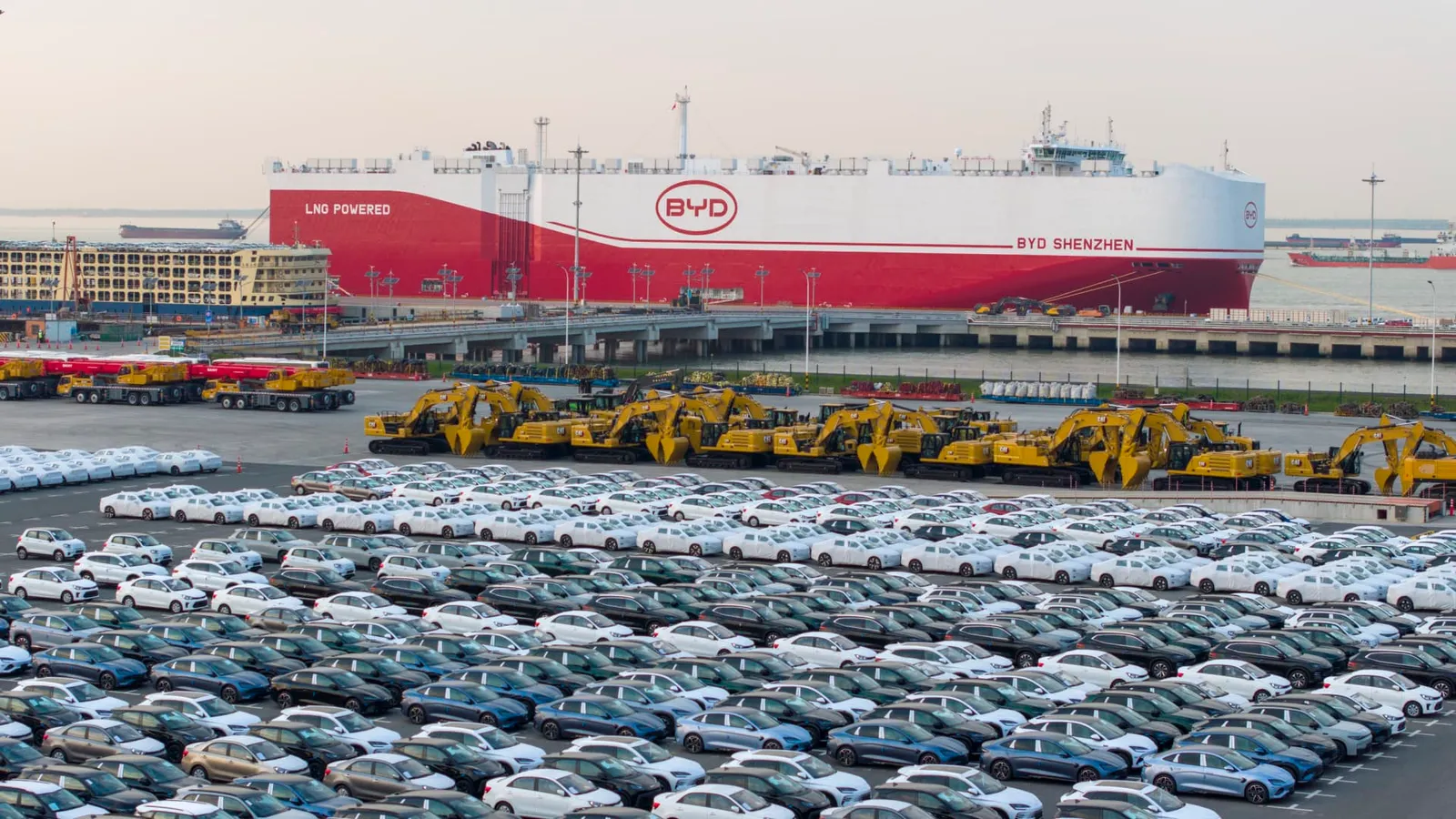
China's consumer demand for cars is weakening, after record-high 23.7 million units sold in 2025. The slowdown that follows could reshape decisions across automotive boards and balance sheets as the market moves toward its worst year since 2021.
China's car market is heading toward its worst year since 2021 as sales plunge 20%. The immediate story is demand, not disruption: consumer demand is tumbling after China logged record-high car sales of 23.7 million units in 2025.
That 23.7 million number matters because it sets the baseline for what comes next. When a market runs at peak volume, it tends to create a brutal comparison period. The year after a sales surge, even customers who are not “gone” can suddenly buy later, buy fewer, or wait for the right deal. And in this case, the headline stake is blunt: a 20% sales fall signals that the market is not just cooling, it is sliding.
To understand why this is more than a bad quarter, zoom out to how China’s auto market typically behaves. Car purchasing is cyclical and sensitive to affordability and consumer confidence. In normal times, automakers can ride out demand softness with promotions, inventory adjustments, and production scheduling. But when the demand drop is large enough, price competition often stops being a tool and becomes the environment. That changes everything upstream, from sourcing and component orders to how quickly firms can unwind excess inventory without cutting margins.
There is also a second-order financial dynamic that shows up when demand shifts after a record year. Automakers and their financial partners are exposed through receivables, lease residual assumptions, and financing demand. Even if the underlying industry has many moving parts, lower sales volumes tend to translate quickly into tighter cash conversion cycles. Boards usually feel this first in forecasts, working capital assumptions, and in how aggressively companies can fund growth versus defending profitability.
Regulatory context matters here too, even if today’s source is focused on sales and demand. China has spent years nudging automakers toward electrification and compliance with policy objectives. That means many companies are not simply selling “cars,” they are also executing on the cost structure and capital spending required to meet evolving requirements. When demand falls sharply, those fixed commitments do not scale down neatly. The result can be a squeeze: sales volume declines while the compliance-driven cost base stays sticky.
This is where the “worst year since 2021” framing becomes strategically loaded. A market downturn of this magnitude does not only affect the weakest players; it forces everyone to revisit assumptions. Product roadmaps, marketing plans, and dealer programs often get recalibrated. Investors and lenders start scrutinizing which companies have the balance sheet and pricing power to survive a prolonged slowdown, versus those that need to raise capital or accept margin compression.
For peers across the automotive ecosystem, the lesson is uncomfortable but useful: record sales do not prevent a demand cliff. They can even mask it until the post-peak comparison hits. If you are sitting on a board or running finance for an automaker, suppliers, or auto-linked financial services, the key question becomes whether the 20% drop is a temporary pause or the early signal of a longer digestion period after 2025’s surge.
Bottom line: China's car market is moving toward its worst year since 2021, with sales expected to drop 20% after record-high 23.7 million units in 2025. Decision-makers should treat this as a demand-driven reset that will ripple through pricing, inventory, cash flow, and capital allocation across the sector.
This story's Key Insights and Take-aways are locked.
Create a free account to unlock Executive Actions for one credit.
Register to UnlockAlways free for Executives Club members. Join the Club
More in Business

Uber buys Delivery Hero for nearly $15B, vaulting to top food delivery outside China
The deal doubles Uber's dual-services footprint and pushes a ride-and-eats bundling play into 50 more markets.

Epic and Google drop settlement bid, forcing rival Android app stores by July 22
Google told the court it is ready to carry third-party app stores starting Wednesday, July 22.
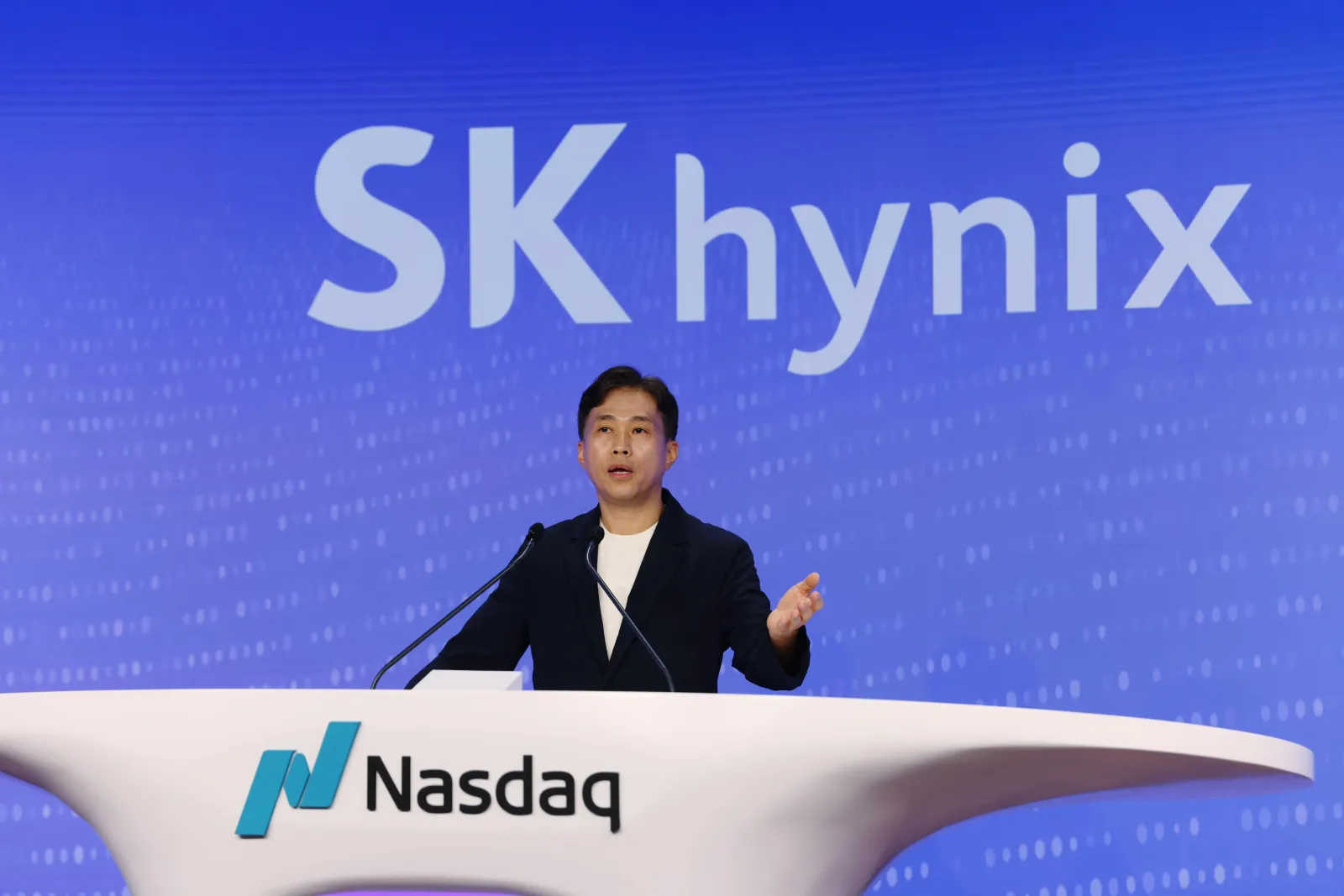
SK Hynix opens at $170, raises $26.5B, and tops foreign IPO records
In Friday's Wall Street debut, SK Hynix turns AI RAM demand into a $26.5B fundraising moment that rewrites comps.