

China quietly pushes small Latin America projects, quietly expanding influence without big headlines
Foreign Affairs argues Beijing uses lots of modest initiatives to build long-term leverage across Latin America.

Foreign Affairs describes China’s quiet quest to dominate Latin America through many small projects that add up to major influence. For decision-makers, the consequence is a shift in leverage, procurement, and policy alignment where notice often comes late.
Foreign Affairs frames China’s approach to Latin America as both subtle and systematic: a “small projects, big influence” strategy that does not rely on splashy, headline-grabbing moves. The point is not that Beijing’s efforts are weak. The point is that they are distributed, incremental, and hard to reverse once relationships and dependencies are in place.
In other words, the influence arrives through accumulation. Instead of one or two massive, easy-to-spot interventions, China leans into smaller initiatives that can be easier for governments to approve, easier for local partners to adopt, and easier for critics to dismiss as “not that consequential.” But Foreign Affairs is making the opposite argument: when you add many small undertakings over time, they can translate into political sway, commercial lock-in, and agenda-setting power.
To understand why this matters, it helps to think about how Latin American decision-making often works. Governments under budget pressure tend to prioritize near-term deliverables: infrastructure that can be inaugurated, equipment that can be deployed quickly, and financing that helps smooth fiscal constraints. Small-to-medium projects fit that rhythm. They can be structured as discrete transactions rather than politically sensitive national commitments. That creates a “friction advantage” for the supplier side. For Chinese actors, the strategy is a compliance and convenience play as much as it is a geopolitics play.
There is also a procurement and contracting reality behind the “small projects” pattern. Large-scale bids attract more scrutiny, more competing bids, and more policy debate. Smaller procurements can move faster, sometimes with less public visibility. Over time, repeated engagement can build a network effect: Chinese firms become familiar counterparties, local officials learn who to call, and administrative processes become oriented around existing partners. Foreign Affairs is essentially warning executives that influence can be operational long before it becomes explicit.
Regulatory framing is part of the story, too. Many countries manage external investment and infrastructure through layers of rules: procurement laws, environmental reviews, investment screening mechanisms, and sector-specific regulations. Big projects tend to trigger those processes in a more visible way, sometimes attracting international attention and opposition. Smaller projects may still undergo reviews, but the perceived political risk can be lower. That can make them easier to approve, especially when governments can justify them as targeted development rather than strategic alignment.
The second-order effect for boards and C-suites is governance complexity. When a country’s infrastructure, telecom, logistics, or energy systems incorporate multiple small Chinese-linked components, decision-makers can face a cumulative dependency. It might not look like a single “China deal” on the books. It can appear as a patchwork: financing arrangements, contractor networks, spare-parts relationships, maintenance contracts, software or equipment dependencies, and local supply chains tied to a vendor ecosystem. Foreign Affairs’ “big influence” thesis is that this patchwork can shape choices later, including which standards get adopted, which vendors get favored, and which policy priorities become politically sustainable.
Another implication is how domestic politics interacts with external influence. Leaders often get rewarded for delivering tangible outputs early. If small projects improve a road, a port connection, a public facility, or a service capacity, politicians can point to results quickly. That reduces the incentive to pause and renegotiate. Meanwhile, challengers may struggle to build a persuasive case that many discrete projects equal strategic capture, even if the cumulative effect is what matters. Foreign Affairs’ underlying argument is that the “quiet quest” can thrive in that narrative space.
For executives in similar roles across the region, the strategic stakes are straightforward. If you only watch the biggest headlines, you miss the mechanism that creates leverage. The influence strategy highlighted by Foreign Affairs is designed to be less legible at the start, and more durable at the end. That means procurement teams, finance leaders, and boards should treat vendor ecosystems and contracting patterns as geopolitical variables, not just commercial ones. When small projects become the default pathway, the future negotiating position shifts quietly, and by the time decision-makers realize it, the margin for change is smaller.
This story's Key Insights and Take-aways are locked.
Create a free account to unlock Executive Actions for one credit.
Register to UnlockAlways free for Executives Club members. Join the Club
More in Politics
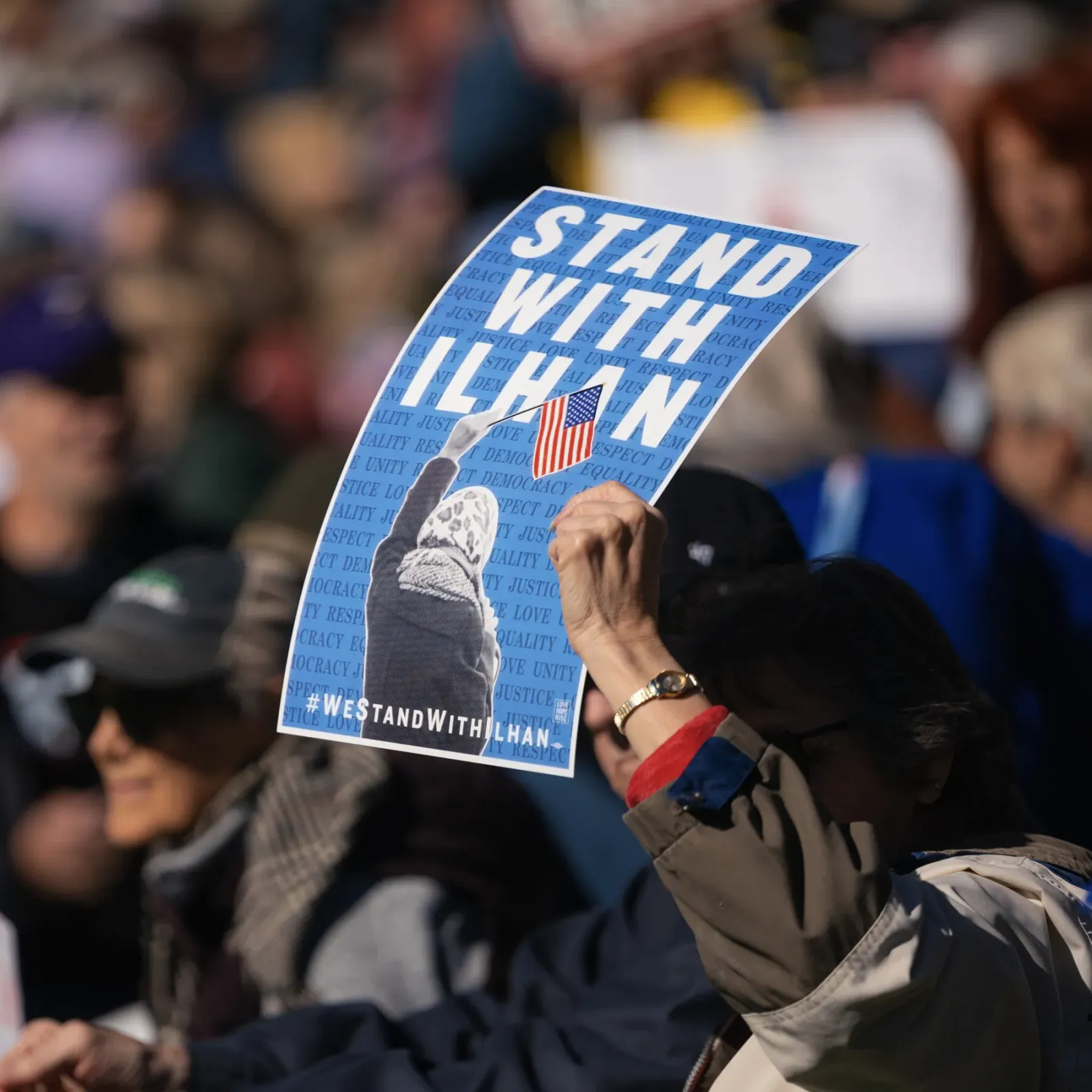
Obama Defends Ilhan Omar After Agents Search Her Home in Trump Inquiry
The former president's intervention raises the stakes in a federal probe into immigration paperwork that has put a prominent progressive lawmaker in the crosshairs.

Blair-era minister: cut welfare to fund youth job support
Alan Milburn's call for welfare cuts to fund employment support opens a Labour fight over benefits and the Neet crisis.
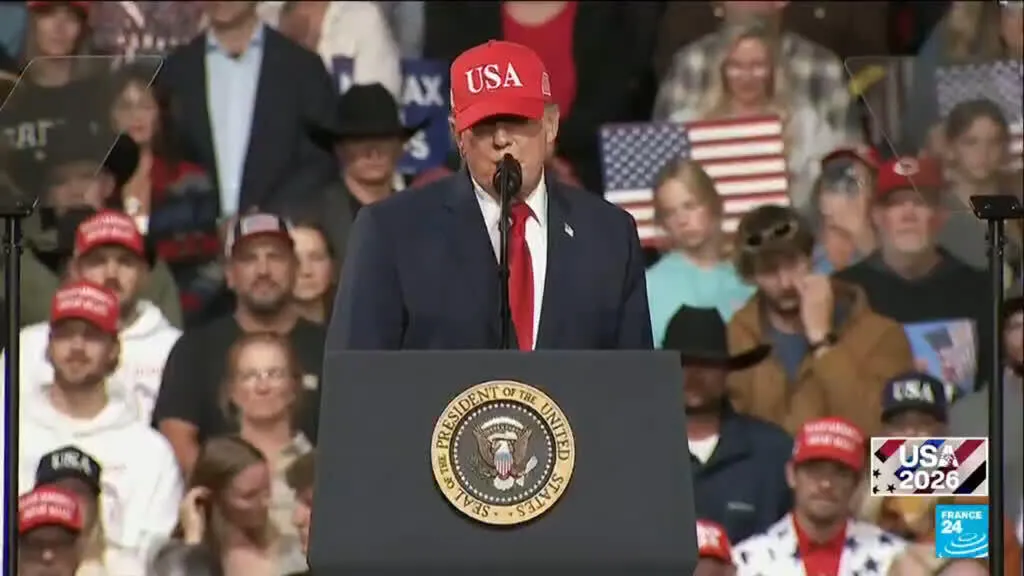
Hot September CPI: energy costs surge, voters feel the squeeze before midterms
The latest inflation print lands as Trump campaigns for GOP control of Congress, putting cost-of-living worries at the center of the midterm fight.