
Chris Wright says US will keep traffic moving through Hormuz as U.S.-Iran hostilities resume
Energy Secretary Chris Wright tells ABC News the U.S. is focused on uninterrupted shipping even as the U.S. and Iran clash again.

Energy Secretary Chris Wright said the U.S. will continue to assure the flow of traffic through the Strait of Hormuz more than a week after U.S.-Iran hostilities resumed. For decision-makers, the message is a signal on energy security planning and the diplomatic tradeoff underway.
Energy Secretary Chris Wright said Sunday that the U.S. "will continue to assure flow of traffic" through the Strait of Hormuz, more than a week after hostilities between the U.S. and Iran resumed. In an interview with ABC News's Jonathan Karl on "This Week," Wright framed the effort as both operational and political, tying it to the broader diplomatic strategy the White House is weighing.
Wright also said, "The president is always looking for the diplomatic off-ramp," explaining how the administration is trying to manage a dual track: maintaining maritime continuity in one of the world’s most consequential chokepoints, while still leaving room for de-escalation. That combination matters because Hormuz is not just a geopolitical headline. It is a pricing mechanism for energy markets, a constraint on logistics, and a risk premium that can move faster than policy language.
So what does it mean when the Energy Secretary says the U.S. will assure traffic flow? At minimum, it is a direct signal to shipping operators, insurers, traders, and energy companies that the U.S. intends to treat passage through Hormuz as a continuity-of-operations problem, not a “wait and see” scenario. The Strait of Hormuz sits between Iran and Oman, and the lanes feeding global supply chains run through that geography. In practice, when conflict reignites, the first impacts show up not only in actual disruptions, but in expectations. Those expectations influence shipping rates, insurance costs, and the timing of cargo movements.
Wright’s remarks land at a moment when the U.S. and Iran have already resumed hostilities, which means markets have likely been working off a new risk baseline for over a week. Even if day-to-day tanker traffic remains intact, the risk of escalation changes behavior: longer planning horizons, higher hedging intensity, and more conservative inventory decisions. For executives, especially those in energy, industrials, transportation, and anything with fuel-linked costs, the “assure flow of traffic” language suggests continuity is the goal, but it does not remove tail risk. It shifts the probability distribution, not the existence of disruption.
There is also a governance angle to the way Wright describes the “diplomatic off-ramp.” When senior officials emphasize diplomatic pathways, it can affect how other parts of the government and regulated industries prepare. Diplomacy language can support a steadier market narrative, which is important for decision-makers who have to justify operational budgets, procurement timing, and contract structures. But it can also create an internal tension: operations want stable lanes now, while diplomacy wants conditions that reduce confrontation. Wright’s message effectively acknowledges that tension without pretending it is solved.
From a regulatory and compliance perspective, energy security communications are rarely isolated. They typically interface with planning processes around emergency readiness, supply resilience, and coordination across agencies responsible for national security, energy markets, and transportation. Even if the source only provides Wright’s quotes and the basic timing context, his role as Energy Secretary places him at the center of how the administration thinks about supply risks and downstream effects for the economy.
Second-order implications show up in boardrooms. Risk committees do not just ask, “What happens if Hormuz closes?” They ask, “What is our exposure if shipping lanes tighten, if insurance layers change, or if freight rates spike even without a total shutdown?” When a cabinet-level official says the U.S. will assure traffic flow, that can influence how companies model scenarios, what they treat as base case versus stress case, and how quickly they update internal assumptions. It can also change how management communicates with investors. If your business depends on stable energy logistics, you may need to explain how you are planning for both continuity and volatility.
For peers in similar leadership positions, the key strategic takeaway is that the administration is signaling an operational commitment while keeping diplomacy in view. Wright’s line about the president looking for a diplomatic off-ramp suggests the goal is de-escalation, but the commitment to assure flow says the U.S. is not waiting for diplomacy to work before managing the immediate risk. In a world where shipping, pricing, and insurance can move on hours-long timelines, that distinction can matter as much as the headline itself.
This story's Key Insights and Take-aways are locked.
Create a free account to unlock Executive Actions for one credit.
Register to UnlockAlways free for Executives Club members. Join the Club
More in Politics
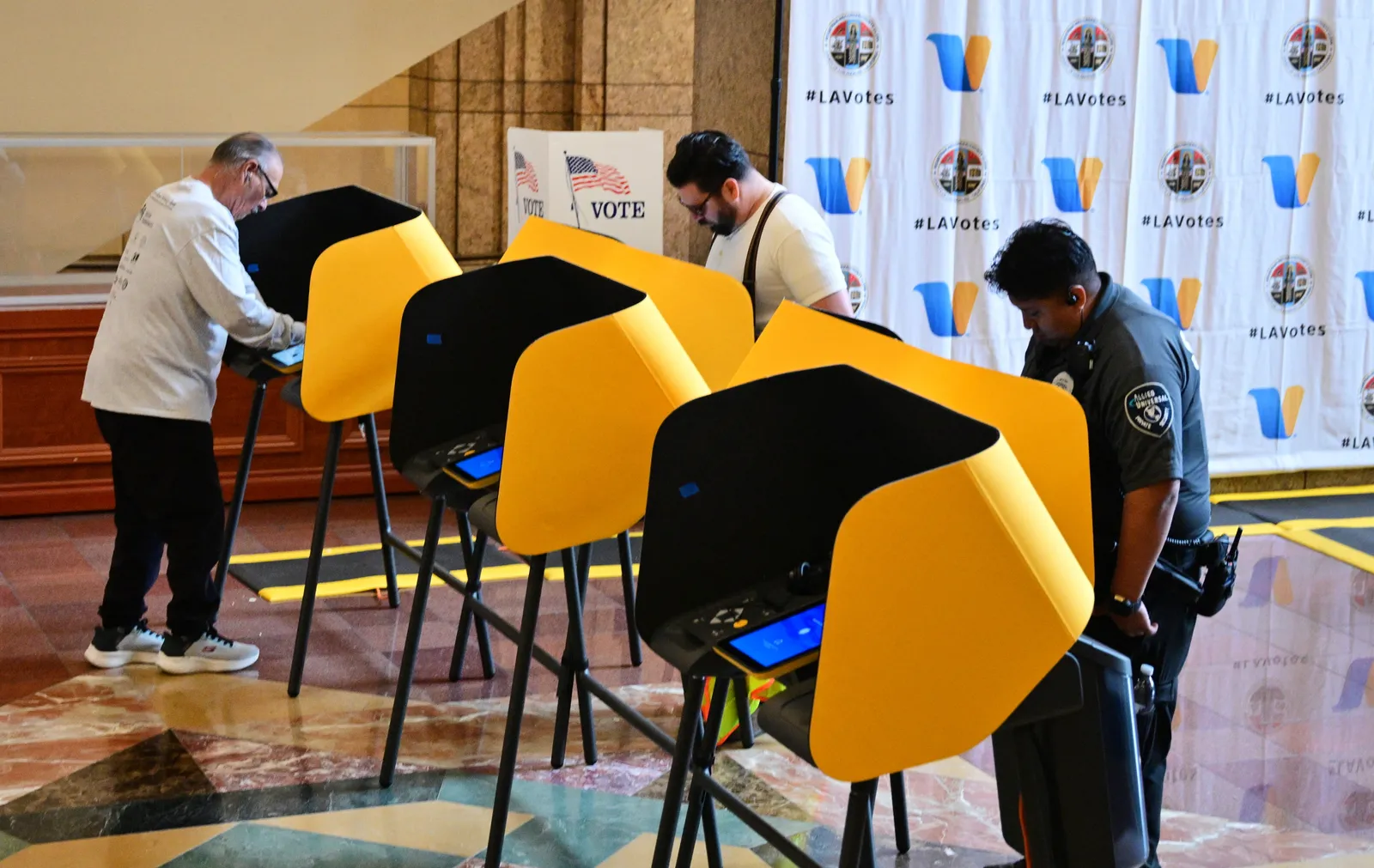
LA County: DOJ's 20,000 'noncitizen' voter list is 'unreliable,' includes U.S.-born
Preliminary review by Los Angeles County election officials finds errors in the federal list, raising the stakes for voter roll integrity ahead of November.
Trump's $1.5B Pentagon chip investment lands in North Carolina
A $1.5 billion defense infusion for North Carolina chipmaking signals a new era of Pentagon-backed reshoring - here's what it means for the industry.
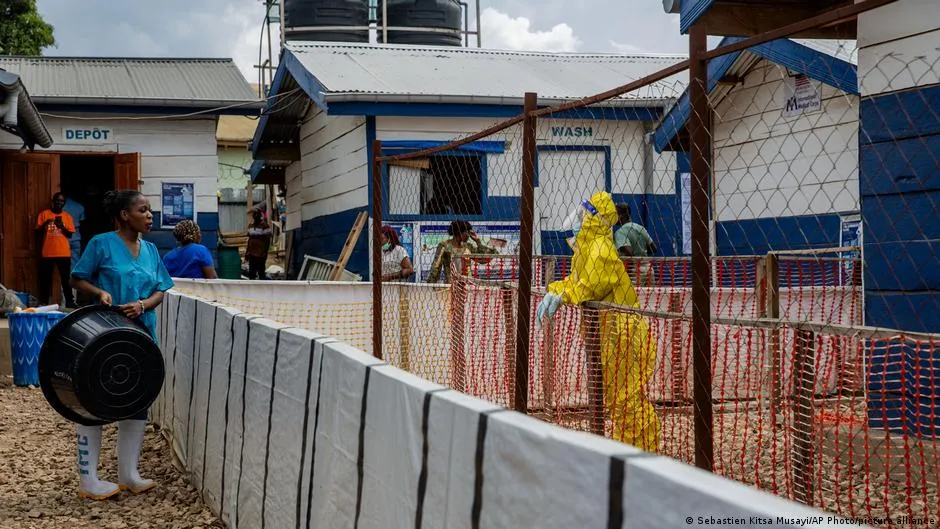
Nigeria confirms first Ebola case in Abuja, a woman just off a Uganda flight
Health Minister Muhammad Ali Pate says the patient flew in from Uganda, putting Africa's latest outbreak on Nigeria's doorstep.