
Craig Williams pleads guilty to cheating at gambling over 2024 election date bets
A former aide to Rishi Sunak admits using confidential information to bet on when the 2024 general election would be held.

Craig Williams, 41, a former Conservative MP and parliamentary private secretary to Rishi Sunak, pleaded guilty to cheating at gambling. The case spotlights how privileged access and election timing bets collide with rules, reputations, and enforcement risk.
Craig Williams has pleaded guilty to cheating at gambling over the date of the 2024 general election, after admitting he used confidential information to place those bets. Williams, 41, is a former Conservative MP, having served for Montgomeryshire and for Cardiff North, and he previously worked as a parliamentary private secretary to Rishi Sunak.
The key point for anyone trying to understand the stakes: the offence relates directly to betting on the timing of the poll. In plain English, it is not just gambling. It is gambling that allegedly gained an edge from inside knowledge about when voters would actually show up, which turns a market-like pastime into something much closer to information misuse.
Why does an election-date bet matter beyond one courtroom outcome? Because political timing is not random. In most democracies, the call for a general election sits at the intersection of legal authority, parliamentary arithmetic, and practical preparation. The “when” of politics is often shaped by processes and signals that the public cannot see in real time. That means the kind of confidential information that can move a betting line also threatens the integrity of both the political system and the betting market that tries to price uncertainty.
This is exactly the kind of fact pattern regulators and prosecutors tend to treat as higher risk than ordinary rule-breaking. Gambling is heavily regulated, but the underlying harm here is the pairing of wagering with non-public information. Once you connect those dots, you get a broader compliance lesson: the issue is not only whether someone violated a gambling rule, it is whether they exploited a special information channel for personal gain.
Williams’ background makes that channel plausible. The source describes him as a close aide to the former prime minister Rishi Sunak and specifically as a parliamentary private secretary. That role usually sits in the orbit of sensitive political and policy work, where information flows can be both frequent and, at least in some moments, restricted. The allegation he used confidential information to place bets on the timing of the poll is a direct example of how “insider access” can become a compliance failure even when the conduct happens far from Parliament.
There is also a reputational spillover component. Election-related stories draw extra attention because they involve the public’s trust in democratic process and fairness. In practical terms, any organization that has senior staff, government-facing contractors, lobbyists, or party-linked advisers should take note: legal exposure is only half the risk. The other half is the damage done when an internal information culture is perceived as porous or insufficiently policed.
For decision-makers who live in adjacent worlds, the second-order implication is clear: boundaries around confidential information are not just for financial markets and insider trading. They are for any environment where someone could translate privileged timing into advantage, whether that advantage shows up as a trading outcome, a bet payout, or an operational edge.
Boards and compliance leaders should recognize the governance challenge, too. A parliamentary private secretary is not a distant consultant with a contract that defines every interaction. They are inside the day-to-day, which means training cannot be generic. It has to map to real information flows: what is confidential, when it is confidential, how it is stored, and what the organization expects employees to do if they come across something that could be monetized.
Even without going beyond the source, one thing is unambiguous: Williams pleaded guilty to cheating at gambling tied to bets on the 2024 general election date. That combination of a guilty plea, the use of confidential information, and the specific election-timing target is the kind of case that pushes compliance programs from “tick the box” to “prove we understand how information can be exploited.”
If you are a leader in a role that touches high-stakes timing, privileged access, or sensitive calendars, this case is a reminder that enforcement can show up in unexpected places. The strategic stake is not just avoiding headlines. It is preventing the next instance where an insider advantage becomes a breach, a prosecution, and a long tail of institutional distrust.
This story's Key Insights and Take-aways are locked.
Create a free account to unlock Executive Actions for one credit.
Register to UnlockAlways free for Executives Club members. Join the Club
More in Politics
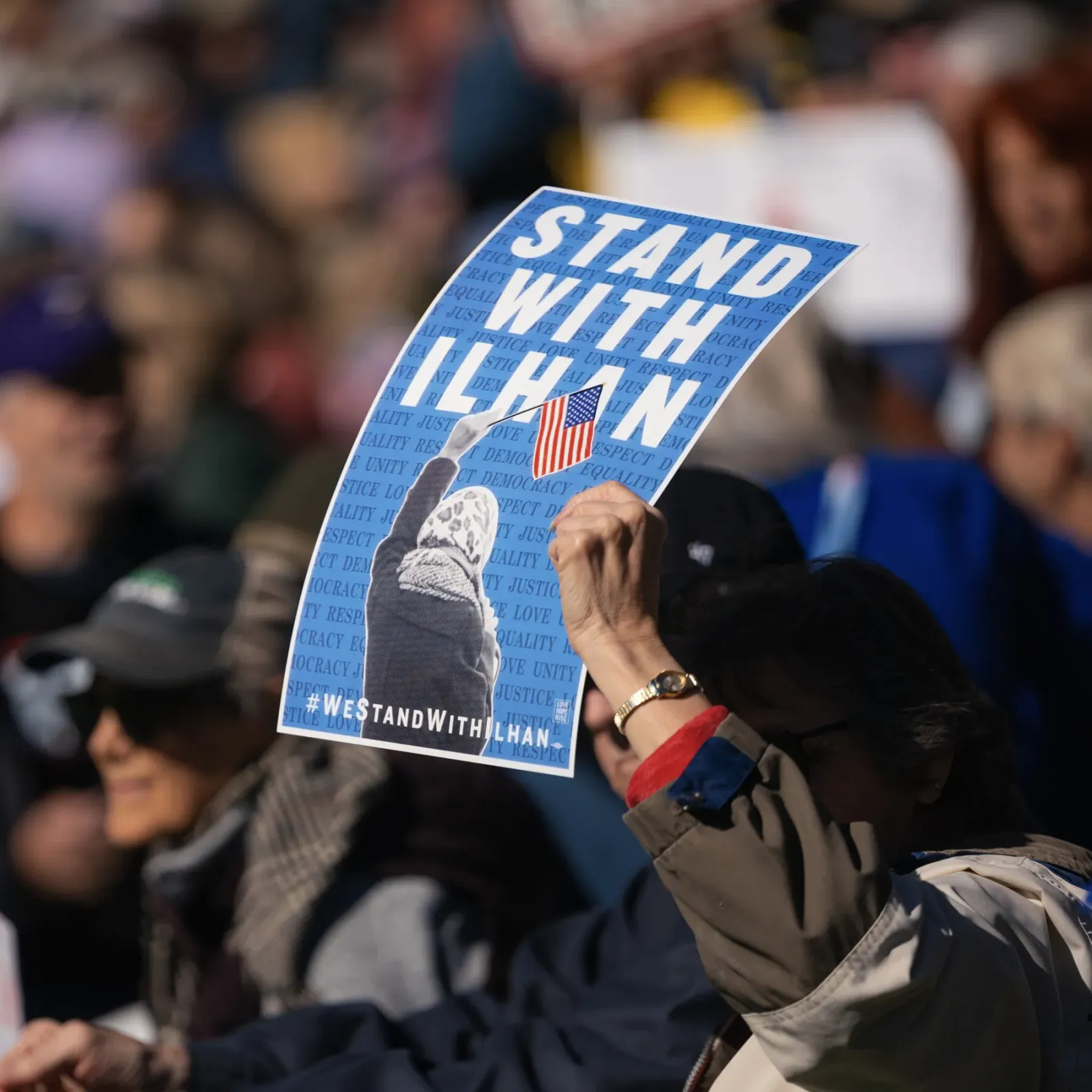
Obama Defends Ilhan Omar After Agents Search Her Home in Trump Inquiry
The former president's intervention raises the stakes in a federal probe into immigration paperwork that has put a prominent progressive lawmaker in the crosshairs.

Blair-era minister: cut welfare to fund youth job support
Alan Milburn's call for welfare cuts to fund employment support opens a Labour fight over benefits and the Neet crisis.
Hot September CPI: energy costs surge, voters feel the squeeze before midterms
The latest inflation print lands as Trump campaigns for GOP control of Congress, putting cost-of-living worries at the center of the midterm fight.