

Daniel Ek-backed Neko Health raises $700M, valuing the longevity startup in the billions
A mega-round led by health and longevity backers pushes Neko Health’s valuation higher and reshapes investor and board expectations.

Neko Health, the health tech start-up co-founded by Spotify’s Daniel Ek, has raised a new $700 million funding round. For investors and board members, the consequence is straightforward: more capital, more competition, and sharper scrutiny on how longevity claims turn into scalable products.
Neko Health, the health tech start-up co-founded by Spotify’s Daniel Ek, just landed a new $700 million funding round that pushes the company’s valuation higher, putting it in the billions. That is the headline in plain English: the money is real, and the market is signaling that it expects longevity and health outcomes to move from “promise” to “platform.”
The $700 million matters because valuations in health tech are rarely just about science. They are about whether investors believe a company can survive the long runway to clinical credibility, navigate regulatory friction, and still build a business that scales before competitors set the standard. By raising a round of this size, Neko Health is effectively buying options on multiple futures: product development, data, partnerships, and the kind of operational heft that makes regulators and large distribution partners take your roadmap seriously.
Zoom out one level and you see why this round is so timely. The longevity and health-tech category has spent years collecting attention, but the capital now flowing into “longevity influencers” and tech investors suggests a shift in investor behavior. Where earlier rounds often treated longevity as a narrative, mega-rounds treat longevity as an execution problem: can you translate health behavior, biometrics, and interventions into something measurable, repeatable, and eventually reimbursable?
That investor mindset has second-order effects inside the boardroom. When a company raises hundreds of millions, it is not just getting resources. It is also tightening accountability. Boards typically use big rounds to lock in specific milestones, align on longer-term KPIs, and pressure management to show progress on the factors that drive valuation. In health, those factors tend to include clinical validation, evidence quality, and regulatory positioning, not just engagement or growth metrics.
Regulatory background is the unglamorous backbone here. Longevity and health products sit in a patchwork of rules depending on what they claim to do, who uses them, and what evidence supports those claims. Even when a company is not aiming to become a classic drug maker, it still has to be careful about how it talks about outcomes and how it designs any supporting studies. A mega-round does not remove those constraints, but it can change how a company approaches them by funding the compliance work, research infrastructure, and expert teams needed to de-risk timelines.
There is also a social and commercial angle. The New York Times description frames this as tech investors and longevity influencers backing Neko Health. That matters because attention can accelerate distribution, partnerships, and customer adoption, but it can also raise the bar for proof. In categories where consumer perception and regulatory language collide, boards have to ensure the marketing engine does not outrun the science engine. Big capital can help synchronize those gears, but it also increases the cost of getting out of sequence.
For peers considering fundraising, partnerships, or product pivots, this is a competitive signal. A $700 million round sends a message to the market about what scale looks like in longevity-linked health tech. It raises the probability that other players will re-price their own plans, seek similar capital, or differentiate around evidence generation. Even if you are not raising soon, you now have a reference point for how investors value longevity-adjacent health businesses when execution plans are credible.
The strategic stake for decision-makers is simple: the bar just moved. With Neko Health’s new funding and higher valuation, investors are demonstrating they are willing to fund at scale in longevity-adjacent health tech. That creates pressure across the sector to show faster conversion from narrative to measurable outcomes, and it reshapes board-level expectations for what “traction” means when regulators and evidence standards are part of the business model, not an afterthought.
This story's Key Insights and Take-aways are locked.
Create a free account to unlock Executive Actions for one credit.
Register to UnlockAlways free for Executives Club members. Join the Club
More in Business

Epic and Google drop settlement bid, forcing rival Android app stores by July 22
Google told the court it is ready to carry third-party app stores starting Wednesday, July 22.
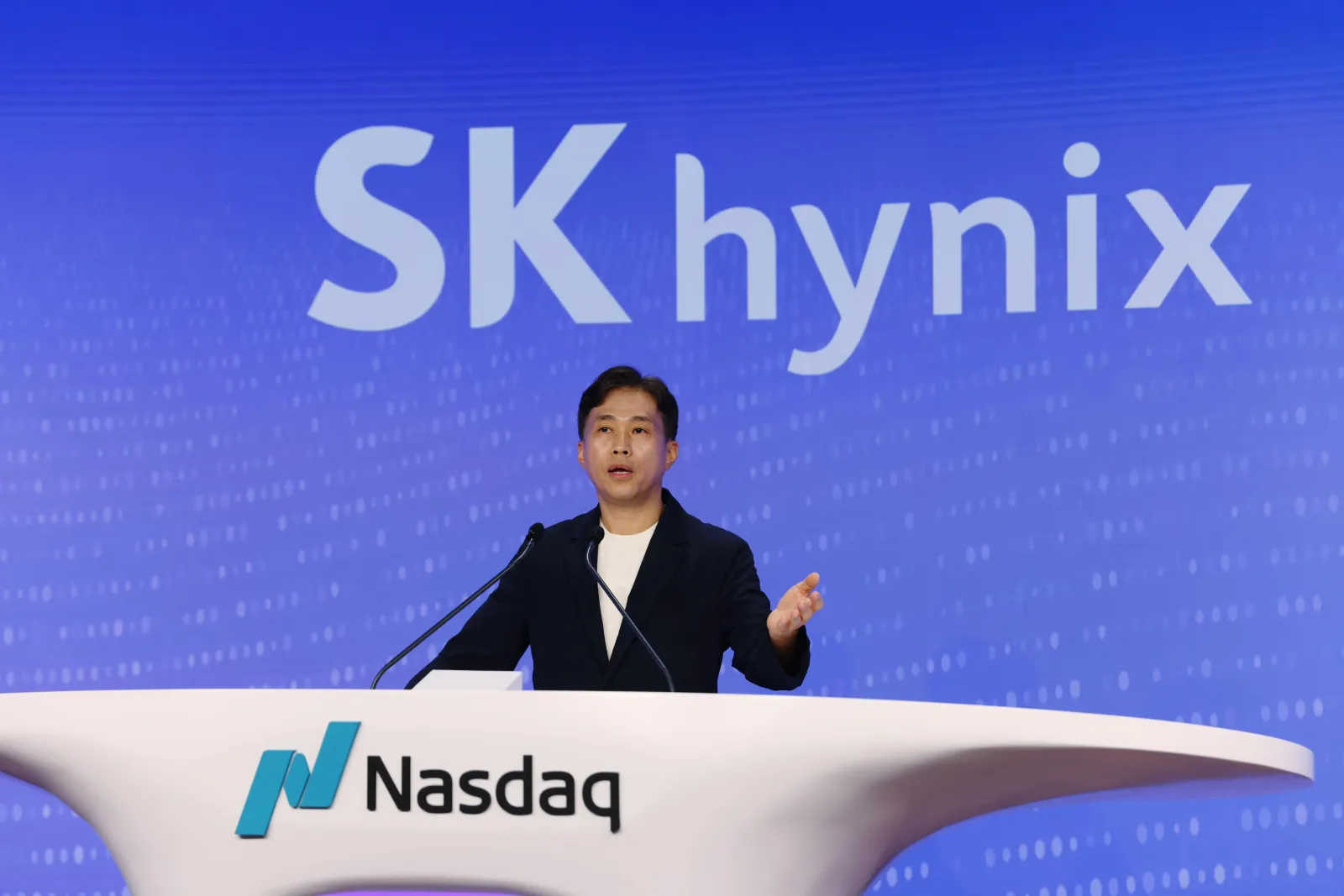
SK Hynix opens at $170, raises $26.5B, and tops foreign IPO records
In Friday's Wall Street debut, SK Hynix turns AI RAM demand into a $26.5B fundraising moment that rewrites comps.

China lands a reusable Long March booster, a first that matches SpaceX and Blue Origin
A barge landing and net-based recovery move China from theory to proof, reshaping the reusability race and satellite ambitions.