

Daniel Siad, linked to Epstein files, is found dead outside Paris; autopsy ordered
Prosecutors say the modeling scout’s body was found Monday evening, with an autopsy pending to determine the cause.

Daniel Siad, a modeling scout with ties to convicted sex offender Jeffrey Epstein, was found dead at his home outside Paris, prosecutors said Wednesday. The Nanterre prosecutor’s office said an autopsy will determine the cause of death, as Siad’s name appeared nearly 2,000 times in the Epstein files released by the U.S. Department of Justice.
Daniel Siad, a modeling scout with ties to Jeffrey Epstein, has been found dead at his home outside Paris, prosecutors said Wednesday. Prosecutors added that Siad's body was discovered on Monday evening, and they ordered an autopsy to determine the cause of death. The procedural facts matter here. In cases involving alleged networks and high-profile criminal records, what comes next is not speculation. It is evidence handling: timelines, forensic findings, and what any official record can prove.
Siad’s name was already embedded in a public paper trail. According to the report, his name appeared nearly 2,000 times in the Epstein files released by the U.S. Department of Justice. That detail raises the stakes beyond one person’s death. When a name shows up that many times across released records, it suggests recurring contact or repeated involvement, even if each mention might not mean the same thing. For decision-makers watching industries where access and gatekeeping matter, the question becomes how relationships translate into risk. Not “did someone know?” but “how did the system enable repeated proximity, and what controls failed?”
To understand why this is an executive-level story, zoom out to how modern industries run on networks. Modeling, entertainment, and adjacent sectors often rely on scouts, introductions, and informal pathways that can bypass formal checks. The source does not claim how Siad’s ties played out in specific incidents. What it does establish is a link between a modeling scout and a convicted sex offender, plus extensive presence in released DOJ files. That combination is exactly the kind of risk profile boards worry about: the kind that is not confined to one location, one year, or one actor.
The legal framing here is also worth attention. The report says the Nanterre prosecutor’s office will conduct an autopsy. That means the immediate focus is likely to be cause of death rather than narrative. In the aftermath of deaths tied to contentious cases, there is often a scramble to interpret circumstances. But prosecutors do not get to skip the boring parts. For companies and institutions, the lesson is practical: when controversies intersect with law enforcement, communications, compliance, and records management have to be prepared for forensic scrutiny and document review.
The U.S. Department of Justice release referenced in the report adds another layer: cross-border legal information becoming relevant elsewhere. Even though the story is in France, the “nearly 2,000 times” detail comes from U.S. files. That is how reputational risk increasingly works. Evidence generated in one jurisdiction can shape scrutiny, lawsuits, and internal investigations in another. For boards and compliance teams, it is a reminder that your risk map cannot stay inside your country borders, especially when your industry has international hubs and frequent travel.
There is also a second-order implication for peers in adjacent roles. The modeling supply chain includes scouts, agencies, managers, and intermediaries. When a scout with ties to a notorious case appears repeatedly in released records, it forces other firms to ask: if we had similar indicators in our own archives, would we have surfaced them early? Again, the report provides no internal wrongdoing by any specific agency or company. But the fact pattern is enough to justify a high-quality, evidence-based internal review: check historical contacts, introductions, and partnerships; ensure training and reporting channels are effective; and verify that compliance frameworks are not just paperwork.
Finally, there is the human and operational stake. An autopsy pending means uncertainty for investigators, families, and any entities that may be drawn into the inquiry. Executives often focus on the near-term communications storm, but the real work usually starts after the first headlines. Companies should be ready for document requests, subpoenas, and detailed questioning about who knew what and when, backed by records. The strategic question for leaders is not whether a tragedy is “manageable.” It is whether their systems can withstand scrutiny and still operate responsibly.
For executives in industries built on access, the Siad-linked details reported here are a reminder that network structures create both opportunity and exposure. A name appearing nearly 2,000 times in released DOJ files, combined with a death now under prosecutorial review, turns compliance from a checkbox into a core governance function. The autopsy will determine the cause of death. But the broader governance test is already underway: do organizations learn fast enough when public records and high-profile legal histories suggest risk inside the ecosystem?
This story's Key Insights and Take-aways are locked.
Create a free account to unlock Executive Actions for one credit.
Register to UnlockAlways free for Executives Club members. Join the Club
More in Politics
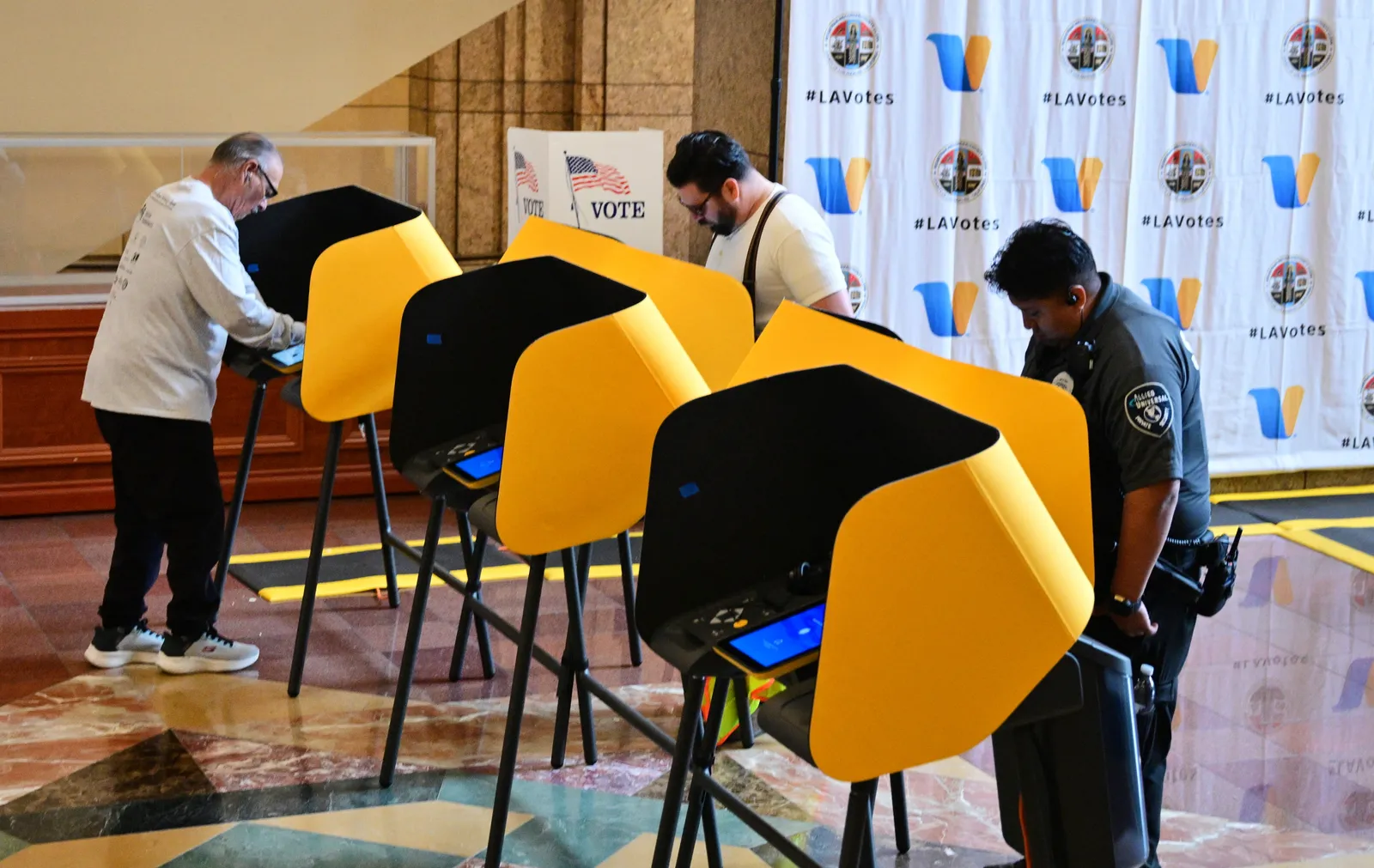
LA County: DOJ's 20,000 'noncitizen' voter list is 'unreliable,' includes U.S.-born
Preliminary review by Los Angeles County election officials finds errors in the federal list, raising the stakes for voter roll integrity ahead of November.

Trump's $1.5B Pentagon chip investment lands in North Carolina
A $1.5 billion defense infusion for North Carolina chipmaking signals a new era of Pentagon-backed reshoring - here's what it means for the industry.
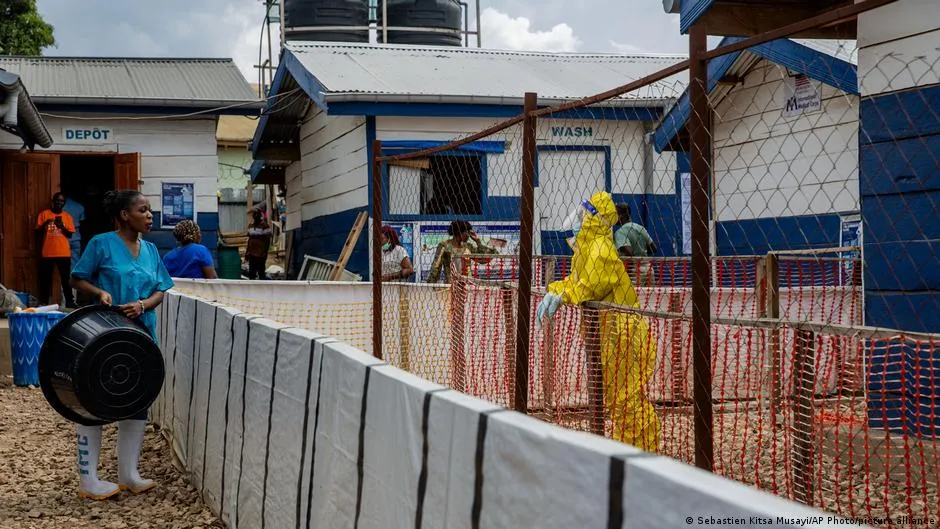
Nigeria confirms first Ebola case in Abuja, a woman just off a Uganda flight
Health Minister Muhammad Ali Pate says the patient flew in from Uganda, putting Africa's latest outbreak on Nigeria's doorstep.