

Darren Jones says Andy Burnham’s VAT cut is unfunded in policy debut clash
Starmer’s former ally argues Burnham’s tax cut for VAT would be paid for without a clear funding plan, raising credibility stakes.

Darren Jones, described as Sir Keir Starmer's former right hand man, takes aim at Andy Burnham's first big policy, a VAT cut. He says Burnham's VAT cut is unfunded, creating a funding-accountability fight for decision-makers watching the next policy phase.
Darren Jones, Sir Keir Starmer's former right hand man, has taken a swipe at Andy Burnham's first big policy. Jones says Burnham's VAT cut is “unfunded,” turning what should be a straightforward tax promise into a pressure test on who is going to pay for it.
That “unfunded” label matters because VAT cuts are not small adjustments. VAT is a broad-based consumption tax that tends to raise significant government revenue, and changing it is one of the most direct levers policymakers can pull on prices and demand. When a VAT cut is framed as unfunded, the implied issue is simple: either the government finds compensating savings elsewhere, raises other taxes, or accepts higher deficits. In other words, it is not just a question of whether a VAT cut sounds popular. It is a question of fiscal mechanics, and credibility.
To understand why this is such a loaded moment, you have to remember how UK politics often treats tax proposals like trailers. Voters see the headline benefit, but the funding line is where the argument lives. When Starmer's camp, through Jones, calls out funding gaps, it is essentially saying the policy is missing the boring part that actually determines whether it can be implemented. In budget terms, the “unfunded” charge is a way of forcing the conversation from aspiration to accounting.
There is also an incentive angle for executives, boards, and investors who pay attention to politics because it bleeds into regulation, consumer behavior, and planning assumptions. A VAT cut would typically be marketed as a way to reduce the cost of goods and services for consumers. That could boost near-term demand, influence pricing strategies, and shift how firms think about elasticity, inventory, and promotions. But if the cut is unfunded, firms may also anticipate instability: either the policy could face political reversal, come with late-stage offsets, or be constrained by fiscal rules and government borrowing realities.
This is where the second-order effects show up. For companies that are heavily exposed to consumer spending, a VAT-driven price change can become a moving target. If the tax rate change looks uncertain, decision-makers may hesitate to commit to long-term pricing frameworks. They might use temporary tactics, delay capex tied to demand projections, or build more conservative forecasts. Boards can translate that into an operational risk: not every “headline policy” is investable until the funding, timing, and implementation pathway are clear.
On the governance side, the clash also reflects how political teams try to manage brand and discipline. Jones is positioned as a senior political actor in Starmer's orbit, and when a former right hand man attacks a rival's first major initiative, it is a signal that the critique is strategic rather than incidental. Calling a proposal unfunded is a direct challenge to competence and seriousness. It implies that Burnham's pitch may be aimed at winning attention before the hard trade-offs are worked out.
For peers in other parties, similar dynamics tend to repeat. Once a funding question is raised in public, the burden shifts. The original proposer must either specify offsets, show how fiscal impacts will be neutral, or accept the criticism. If that follow-up does not land quickly, the “unfunded” narrative can stick, shaping how media, stakeholders, and voters interpret the policy.
So the stake is not just about who said what. It is about whether the next cycle of policy proposals will be judged on popularity alone, or on whether they can survive contact with fiscal reality. For decision-makers watching from the sidelines, Jones's critique is a reminder that tax policy is a high-impact lever, and that proposals described as unfunded can increase planning uncertainty across the economy, even before any formal implementation details are finalized.
This story's Key Insights and Take-aways are locked.
Create a free account to unlock Executive Actions for one credit.
Register to UnlockAlways free for Executives Club members. Join the Club
More in Politics
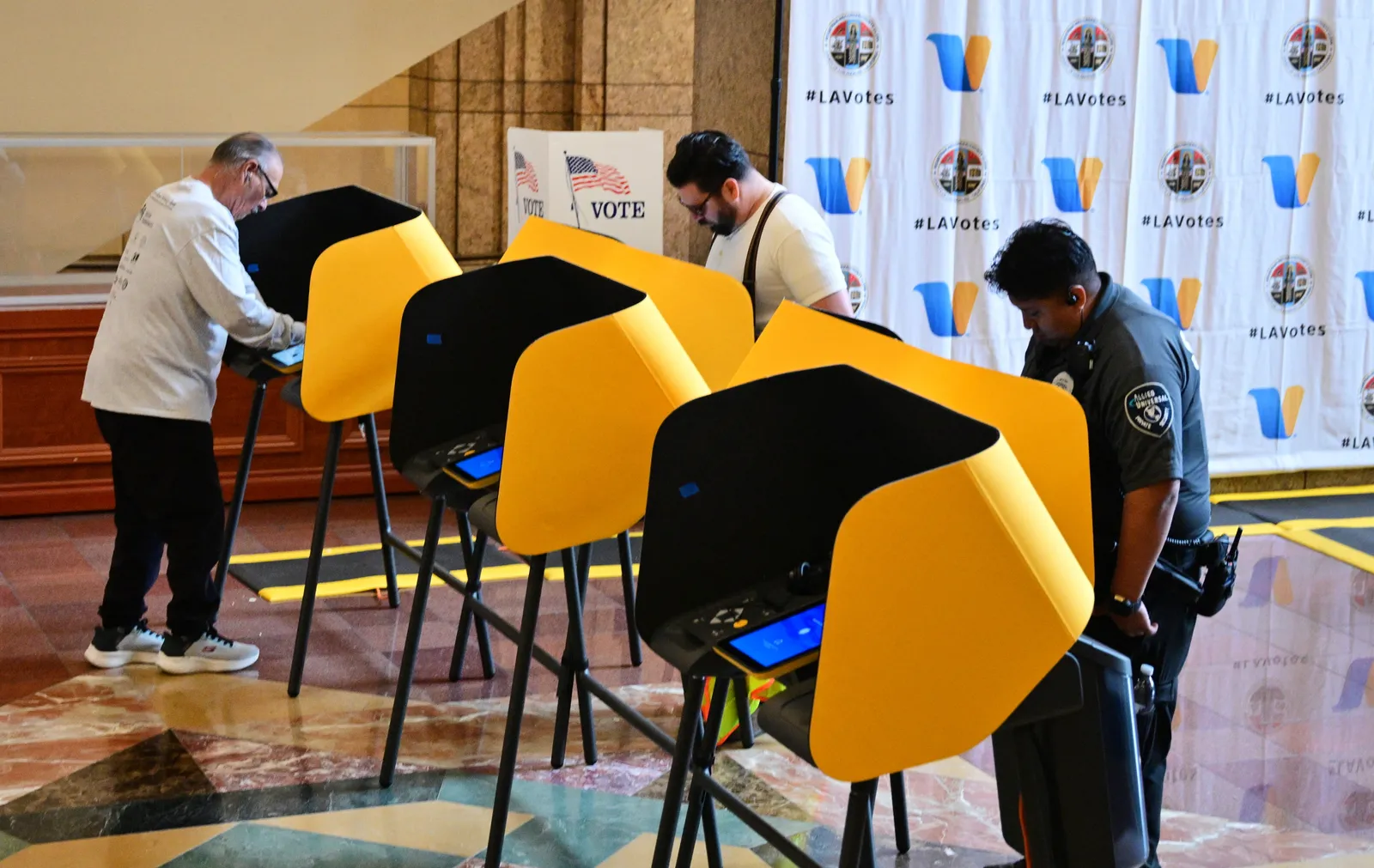
LA County: DOJ's 20,000 'noncitizen' voter list is 'unreliable,' includes U.S.-born
Preliminary review by Los Angeles County election officials finds errors in the federal list, raising the stakes for voter roll integrity ahead of November.
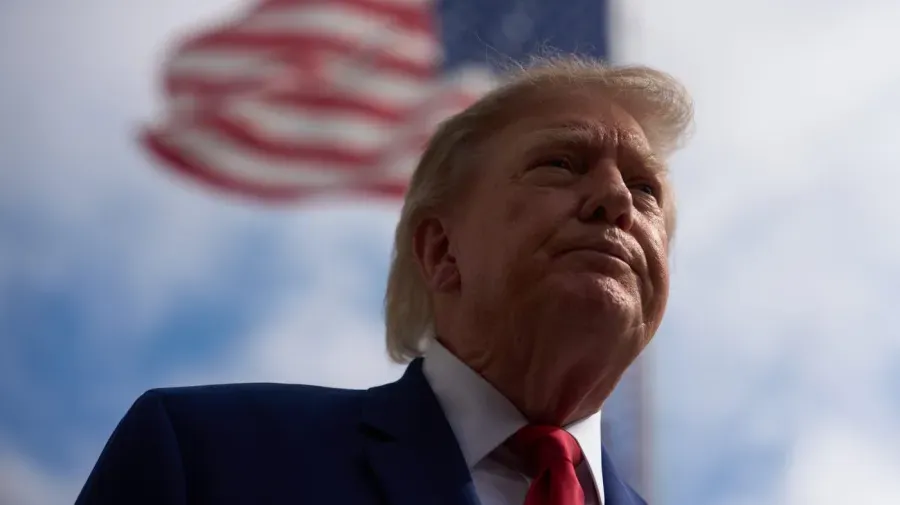
Trump's $1.5B Pentagon chip investment lands in North Carolina
A $1.5 billion defense infusion for North Carolina chipmaking signals a new era of Pentagon-backed reshoring - here's what it means for the industry.

Nigeria confirms first Ebola case in Abuja, a woman just off a Uganda flight
Health Minister Muhammad Ali Pate says the patient flew in from Uganda, putting Africa's latest outbreak on Nigeria's doorstep.