
Data Center Alley hits pause: Loudoun County halts 33 applications for a year
The world's densest data center market just stopped voting on new projects, and the 33 applications now in limbo are a warning for every operator planning capacity.
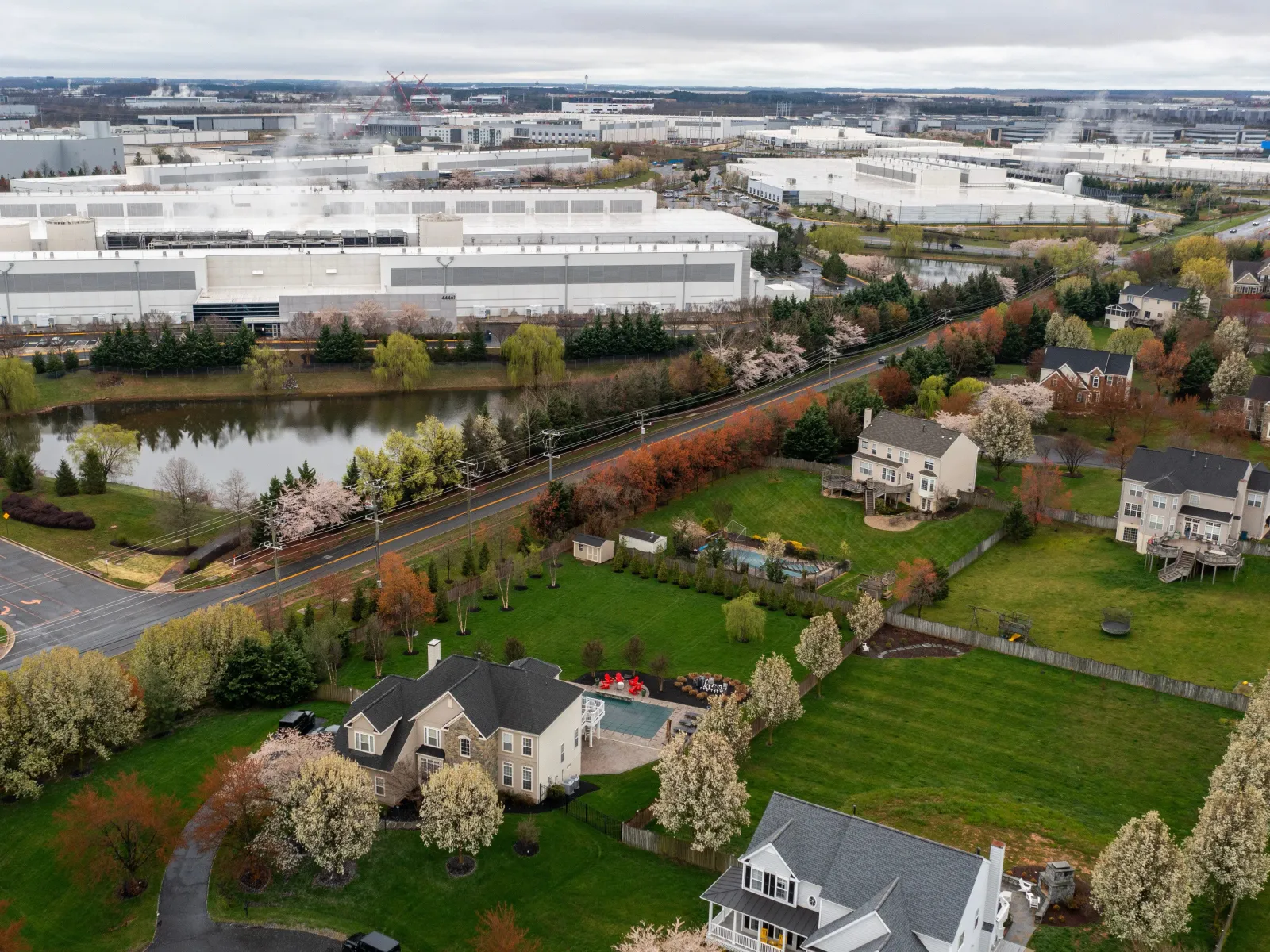
Loudoun County's Board of Supervisors voted to pause legislative applications for data centers and electrical substations for a year, a move the county says could affect 33 active applications in the world's densest data center market. For operators and boards, the freeze turns local permitting politics into a first-order capacity risk and hands rival jurisdictions a recruiting pitch they did not have to write.
Loudoun County, Virginia just hit the brakes on the busiest data center market on the planet. The county's Board of Supervisors voted earlier this week to pause legislative applications for data centers and electrical substations for a year, a move the county says could affect 33 active applications. Loudoun is the heart of what the industry calls Data Center Alley, home to the highest concentration of data centers in the world, and Google and many other tech companies have facilities there. That is exactly why the decision lands so hard: the county that quietly built the physical layer of the modern internet has now decided to stop and check the paperwork before it builds more.
The pause is not an outright ban, and the distinction matters for anyone with capital already committed. Developers can keep submitting applications during the window, and county staff will keep reviewing them and scheduling hearings with the planning commission. What stops is the part that actually moves a project forward: no public hearings and no votes until the review is finished. The board said the pause will end once it decides on amendments to Loudoun County's comprehensive plan and zoning ordinance. The underlying review is not new. The board initiated it in February 2024, and the pause exists to give that work room to finish. "The Board's reason for considering pausing action on legislative applications is to allow time for the county to complete the ongoing review of current data center policies and regulations," a press release from Loudoun County said.
Read the scope of the pause closely and the real signal shows up: electrical substations are bundled in with the data centers. That is not a technicality. A large campus is only as real as the power feeding it, and substations are typically the slowest and most contested piece of the chain, sitting at the intersection of utility planning, transmission capacity, and neighborhood opposition. By freezing both together, Loudoun reads as signaling that it will not approve the buildings without also rethinking the grid work that makes them run. For operators, that reframes the critical path. Land and shell construction are rarely the bottleneck. Power delivery is.
Loudoun is not an isolated case. It is the loudest version of a pattern playing out across the country, where many US towns and cities have paused or outright banned large data center projects as residents debate their impact on communities. The arguments are consistent on both sides. Supporters say new data center developments will create jobs and boost local economies. Critics are concerned about how they could affect the environment, utility costs, and their quality of life. Those are not abstract worries for a county that has absorbed years of industrial-scale construction. When the same debate repeats in dozens of jurisdictions, it stops being a local zoning story and becomes a national capacity story.
The politics have turned, too. Data centers proved deeply unpopular during the US midterm elections earlier this month, playing a major role in ushering in a so-called "blue wave" of Democratic candidates, even as the Trump administration and influential tech leaders lined up behind the industry. That gap between elite enthusiasm and local resistance is the defining tension of the AI buildout. Washington wants the compute. The people who live next to it want to know who absorbs the cost. Candidates who channeled that frustration won. Operators should read that as a leading indicator, not a one-off.
For the 33 applications now in limbo, the cost is time, and time is the one input no amount of capital can compress. A year of no votes pushes financing, equipment orders, and customer commitments into an uncertain window, and it hands rival markets a recruiting pitch they did not have to write. Counties that keep their processes moving suddenly look like the safer bet, even at higher land prices. The strategic lesson is about concentration. Building an entire pipeline in one jurisdiction, however proven, means one board vote can reset your schedule. Diversification used to be about latency and power pricing. Now it is also about politics.
What happens next is legible. The pause lifts when the board settles amendments to the comprehensive plan and zoning ordinance, which means the real fight is over the rules that come out of that review, not the freeze itself. Whatever Loudoun writes into those documents becomes a template other counties will study, copy, or reject. For executives and boards, the takeaway is blunt: permitting is now a core competency, not a back-office function. The companies that treat local politics as a diligence item will build. The ones that treat it as noise will wait a year, and then wait again.
This story's Key Insights and Take-aways are locked.
Create a free account to unlock Executive Actions for one credit.
Register to UnlockAlways free for Executives Club members. Join the Club
More in Business

Anthropic's record IPO lands a day before Nvidia's longest losing streak since 2008
Anthropic's record Nasdaq debut and Nvidia's longest weekly losing streak since 2008 landed within 24 hours of each other, and the contrast shows how fast the market is re-pricing the AI trade.
New World's HK$24.9B rights issue triggers 41% plunge as HK$50B debt target looms
New World Development has three levers left to erase up to HK$50 billion in borrowings by 2031, and shareholders just told the market what they think of the first one.
Chip supply chain warns new US export controls will spread beyond the target list
Suppliers, distributors and equipment makers say the latest US restrictions will not stay contained to the firms named on paper, putting orders, inventory and delivery timelines at risk across the global chip chain.